
+1 847-579-5500 6280 W. Howard St., Niles, IL 60714, USA

Blog

Top 10 Organic Vegetable Purees for Global Buyers

Top 10 Organic Vegetable Purees for Global Buyers

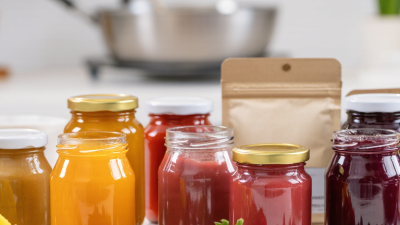
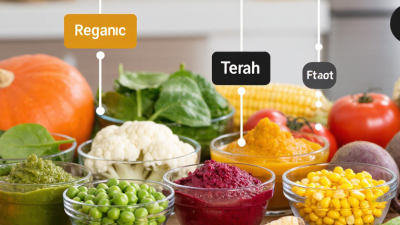
Organic Vegetable Purees are more than convenient ingredients. For global buyers, they can shape a product’s color, texture, flavor, and sourcing story. A carrot puree may bring a warm orange hue to a soup base; spinach can deepen a sauce’s color, though its flavor may not suit every recipe. Small differences matter. Food writer Michael Pollan’s well-known principle, “Eat food. Not too much. Mostly plants,” offers a useful lens for evaluating vegetable-based products. It is not a purchasing specification, of course. Buyers still need product-level evidence. Ask suppliers about vegetable varieties, growing and processing practices, ingredient lists, texture, packaging, shelf life, and available quality documentation. Organic certification and labeling requirements differ by market, so verify that documentation against the destination market’s rules. Do not assume one certificate fits every shipment. This guide compares ten Organic Vegetable Purees through practical buyer considerations: ingredient transparency, consistency, versatility, and the details suppliers can document. It also recognizes that “best” depends on use. A smooth pumpkin puree may suit a baby-food formulation, while a coarser vegetable blend may work better in prepared meals. Sample before you commit. Check the color under ordinary production lighting, not just in a supplier’s bright product photo. And be candid about uncertainty: a promising specification cannot replace a production trial.
Read more »
Oliver By:Oliver - November 19, 2026

What Are Co Packed Fruit Ingredients?

What Are Co Packed Fruit Ingredients?

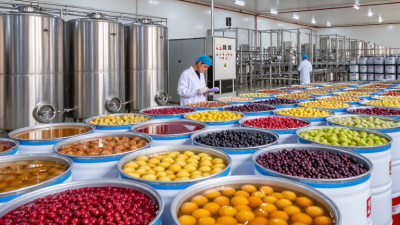
Co-Packed Fruit Ingredients are fruit components prepared and packed by a specialist manufacturer for use in another company’s food products. They may include diced apples, berry pieces, fruit purées, or fruit-and-sauce blends. These ingredients can arrive chilled, frozen, aseptic, or ready for direct mixing, depending on the recipe and production needs. The term can mean slightly different things across suppliers, so buyers should confirm exactly what is included. A co-packer may wash, cut, blend, treat, and package fruit to an agreed specification. For example, a bakery might receive measured apple pieces for muffins, while a beverage producer orders a smooth mango purée. Consistent size, flavor, moisture, and packaging can make factory production easier. Still, a specification sheet cannot tell the whole story. Fruit varies with harvest, variety, and ripeness. That matters. When evaluating Co-Packed Fruit Ingredients, food teams typically review ingredient statements, allergen controls, food-safety documentation, storage conditions, shelf life, and batch traceability. They also check how the fruit behaves after baking, thawing, or mixing. A sample may look excellent in a cup, then release too much juice in a finished product. Practical trials are useful. This guide explores common formats, processing choices, quality checks, and supplier questions, helping readers assess whether co-packed fruit fits their product and production line. Not every option will suit every recipe, and that is worth saying plainly.
Read more »
Oliver By:Oliver - November 14, 2026
Top Essential Oils for the Flavor Industry

Top Essential Oils for the Flavor Industry

Flavor Industry Essential Oils bring vivid botanical character to foods, beverages, confectionery, and other flavor applications. A drop of lemon oil can brighten a syrup; a trace of peppermint can cool a chocolate note. Small changes matter. These concentrated materials can shift a flavor from fresh to sharp, or from warm to medicinal. Selection therefore depends on the product, processing conditions, and the sensory effect the formulator wants. Flavorist and author John Wright is a relevant industry voice. A practical principle, paraphrased here rather than quoted verbatim from his work, is: “Build aroma in layers; intensity alone does not create balance.” That distinction guides this overview of citrus, mint, spice, and other essential oils. It also keeps the discussion grounded in formulation, not trend claims. A promising aroma on a blotter may behave differently in a baked filling or an acidic drink. Test it in the real matrix. Record the dose, temperature, and sensory result. Not every trial will work. That is useful information, though it can be easy to overlook. The sections ahead consider aroma profiles, common applications, sourcing, and practical evaluation. They also note that essential oils are concentrated ingredients, not interchangeable with every extract or flavor preparation. Suitability, labeling, and permitted use vary by product and market, so consult qualified technical and regulatory guidance. The goal is a clearer starting point—not a universal recipe.
Read more »
Ethan By:Ethan - November 9, 2026
7 Tips for Sourcing Nutraceutical Fruit Concentrates

7 Tips for Sourcing Nutraceutical Fruit Concentrates

Nutraceutical Fruit Concentrates can help manufacturers deliver recognizable fruit ingredients in powders, beverages, bars, and supplement blends. Yet sourcing decisions affect more than flavor. They shape consistency, processing performance, documentation, and consumer trust. A bright berry color in a sample cup may look promising. It does not prove that the next shipment will match. Reliable purchasing begins with clear specifications and careful questions. Buyers should define the fruit species, concentrate format, intended use, and key quality measures before comparing quotes. They can then assess supplier experience, ingredient traceability, certificates of analysis, and controls for contaminants and microbiological quality. Ask how the supplier handles seasonal variation, storage, packaging, and changes between lots. Request representative samples and review them under realistic production conditions. Small details matter. A concentrate that disperses well in water may behave differently in a heated bar mix. Price deserves attention, but it is only one part of the decision. Concentration, yield, freight, shelf life, and testing requirements all affect total cost. Claims and specifications should be verified against current documents, not assumed from a sales conversation. When records are incomplete, pause and ask for clarification. That can feel slow. It is usually cheaper than correcting a production run later. The following seven tips offer a practical framework for evaluating suppliers, comparing product quality, and building a sourcing process that remains dependable as needs change. No checklist removes every risk; good sourcing requires ongoing review and a willingness to revise assumptions.
Read more »
Amelia By:Amelia - November 4, 2026
How to Choose Juice Ingredients for the Beverage Industry

How to Choose Juice Ingredients for the Beverage Industry

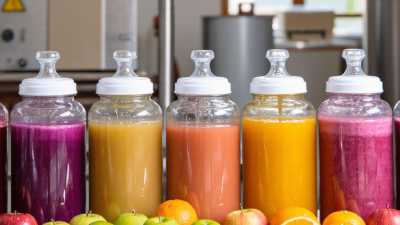
Choosing juice ingredients for the beverage industry involves more than selecting a flavor that tastes appealing. Beverage Industry Juice Ingredients must fit the product’s purpose, processing method, and target sensory profile. A juice concentrate may help deliver consistent flavor in a compact format, while juice with pulp can add visible texture. Each choice affects sweetness, acidity, color, aroma, and mouthfeel. Start by defining the drink: Is it clear or pulpy? Light and crisp, or rich and fruit-forward? Taste the ingredients, then review their technical specifications. It matters. Check Brix, acidity, color, pulp level, and how each ingredient performs after blending and processing. A bright orange sample may look promising in a glass but behave differently in a finished beverage. Ask suppliers about origin, traceability, batch consistency, and available quality documentation. Sensory trials and small pilot batches can reveal changes that a specification sheet cannot. Keep careful records of formulas and results. The details are easy to overlook. Reliable selection also means balancing flavor with supply, cost, and production needs. Compare samples under realistic conditions, including storage and the intended shelf life. Involve product development and quality teams when judging fit. No single ingredient works for every recipe, and supplier information still needs practical verification. That deserves reflection. A measured process helps beverage makers choose juice ingredients with greater confidence and create drinks that meet both consumer expectations and manufacturing requirements.
Read more »
Ethan By:Ethan - October 30, 2026
Top 10 Bulk Vegetable Concentrates Suppliers Worldwide

Top 10 Bulk Vegetable Concentrates Suppliers Worldwide

The global demand for Bulk Vegetable Concentrates is growing with food manufacturers seeking stable, traceable, and practical ingredients. These concentrates help reduce water content, transport weight, and storage space. They also support soups, sauces, beverages, seasonings, and prepared foods. FAOSTAT’s 2023 crop statistics place worldwide vegetable production above one billion tonnes annually. That scale creates significant opportunities for processors with reliable raw-material networks. However, production volume alone does not prove supplier quality. Buyers must examine soluble-solids levels, color retention, microbiological controls, pesticide testing, and lot-to-lot consistency. Recent market studies from Grand View Research and Mordor Intelligence report continued growth in vegetable-based ingredients and juice products. Their findings connect this trend with clean-label demand, plant-based diets, and convenience food consumption. The reports also show regional differences in processing capacity, pricing, and consumer preferences. Figures vary between research firms. That matters. This ranking evaluates ten notable suppliers through a practical procurement lens. It considers product range, processing technology, certifications, export reach, documentation, and customization capability. Certifications may include FSSC 22000, BRCGS, ISO 22000, or organic approval, depending on the product and facility. Not every supplier fits every application. A carrot concentrate specialist may not provide beetroot or spinach at the same standard. Buyers should request recent specifications, sample results, allergen statements, and traceability records before signing contracts. Small details matter, especially when concentrate enters a high-volume formula. Supplier rankings are useful starting points, not final purchasing decisions.
Read more »
Amelia By:Amelia - October 25, 2026
China Top Halal Certified Fruit Concentrates Suppliers

China Top Halal Certified Fruit Concentrates Suppliers

China is becoming an important sourcing base for Halal Certified Fruit Concentrates, especially apple, pear, grape, peach, and berry ingredients. Chinese processors increasingly serve beverage, dairy, bakery, and nutraceutical manufacturers across Asia and the Middle East. The State of the Global Islamic Economy Report 2023/24 estimates Muslim consumer spending reached US$2.29 trillion in 2022. Its halal food sector accounted for approximately US$1.4 trillion. The report projects continued growth through 2027. Grand View Research also identifies fruit concentrates as a growing global ingredient category, supported by demand for natural flavors, reduced waste, and convenient formulation. Strong demand does not remove buyer concerns. Rafi-uddin Shikoh, founder of DinarStandard, has said, “The halal economy is about much more than halal food.” This principle matters when evaluating Chinese suppliers. A credible producer should provide a valid certificate, clear certification scope, ingredient declarations, allergen controls, and traceable processing records. Buyers should also check Brix levels, acidity, color stability, pesticide testing, microbiological results, and cold-chain practices. Small details matter, especially when concentrate arrives in a 250-kilogram drum. This guide examines China’s leading Halal Certified Fruit Concentrates suppliers through quality, certification, production capacity, export experience, and technical support. Certification alone is not enough. Certificates can expire, product specifications can change, and supplier webpages may not show the complete picture. Therefore, independent verification remains necessary. The market is promising, but selection should stay practical, documented, and slightly skeptical.
Read more »
Amelia By:Amelia - October 15, 2026
10 Best Kosher Certified Juice Concentrates for Global Buyers?

10 Best Kosher Certified Juice Concentrates for Global Buyers?

Global beverage buyers are paying closer attention to traceability, certification, and formulation consistency. The 10 Best Kosher Certified Juice Concentrates should be judged against those practical requirements. Grand View Research reports continued growth in the global fruit concentrate market, driven by beverages, dairy products, and convenience foods. The International Fruit and Vegetable Juice Association also highlights changing consumption patterns and stronger expectations for transparent sourcing. These trends matter when buyers compare apple, grape, pomegranate, citrus, and berry concentrates. Kosher certification adds another layer of assurance. It requires documented ingredients, controlled processing, and reliable supervision. Rabbi Menachem Genack, CEO of OU Kosher, has described kosher as “a symbol of trust.” That trust must reach beyond the certificate. Buyers should inspect certificate validity, Brix levels, acidity, country of origin, allergen controls, packaging conditions, and lot traceability. Details matter. A concentrate may arrive in a 250-kilogram aseptic drum. Its color should remain stable after dilution. Its flavor should match the agreed specification. Seasonal fruit variation can still create differences, even under careful processing. No ranking is universally perfect. Price, certification scope, supply continuity, and technical performance may change by market. This guide compares leading Kosher Certified Juice Concentrates through a buyer-focused lens. It considers supplier credibility, documented quality systems, application flexibility, and export readiness. Some products may appear attractive on paper but require additional verification. That is not a weakness in the review. It is a necessary reminder that responsible sourcing depends on evidence, not labels alone.
Read more »
Oliver By:Oliver - October 10, 2026
China Top 10 Aseptic Fruit Concentrate Suppliers?

China Top 10 Aseptic Fruit Concentrate Suppliers?

China’s aseptic fruit concentrate sector deserves closer attention. It combines orchard supply, controlled evaporation, sterile filling, and international distribution. This guide introduces ten leading Chinese suppliers of Aseptic Fruit Concentrates, with attention to practical buying concerns. The list considers fruit origin, Brix consistency, microbiological controls, packaging formats, certifications, and export experience. A supplier may offer mango, peach, apple, pear, grape, or berry concentrates. However, product range alone proves little. A bright drum label cannot replace reliable laboratory results. Food-processing expert Dr. R. Paul Singh describes the core principle clearly: “Aseptic processing combines commercial sterilization with sterile packaging.” That distinction matters. Heat treatment should reduce microbial risks while protecting color, aroma, and flavor. Packaging must then preserve that stability during storage and transport. In practice, buyers should request recent specifications, allergen statements, shelf-life data, and batch traceability. They should also confirm whether concentrate is made from single-strength juice or blended materials. Small details matter. A slightly different Brix level can change a beverage formula, filling speed, and final taste. This ranking is not a permanent verdict. Supplier performance can change with harvest conditions, equipment upgrades, staffing, or export demand. Some companies publish impressive claims but provide limited technical evidence. That deserves caution. The strongest candidates combine consistent processing with transparent communication. They explain limitations, not only advantages. For beverage manufacturers, dairy producers, and ingredient distributors, this guide offers a practical starting point for comparing China’s top aseptic fruit concentrate suppliers.
Read more »
Oliver By:Oliver - October 5, 2026
Who Is the Top China Custom Fruit Juice Blends Supplier?

Who Is the Top China Custom Fruit Juice Blends Supplier?

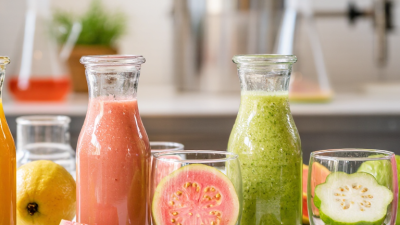
Choosing the right Custom Fruit Juice Blends supplier requires more than comparing prices. Buyers need dependable sourcing, precise formulation, and consistent flavor from the first bottle to the last. A mango blend may look simple, yet its texture, acidity, sweetness, and color can shift during processing. Small differences become obvious on a supermarket shelf. Dr. Kantha Shelke, a respected food scientist, has observed, “Food innovation must connect science with consumer needs.” This principle matters when evaluating a private-label juice partner. A capable supplier should understand fruit varieties, blending ratios, pasteurization, packaging, and shelf-life testing. They should also explain their process clearly. Vague answers deserve careful attention. The top supplier is not always the largest factory. Sometimes, a smaller producer offers better communication and more flexible minimum orders. That can help emerging beverage brands test a guava-citrus blend without excessive inventory. However, flexibility should not replace quality control. Reliable suppliers provide ingredient specifications, batch records, sensory evaluations, and traceability documents. These details show professional experience. A practical assessment should include sample testing under real storage conditions. Taste the product chilled, after opening, and near its stated shelf life. Check whether the aroma fades or the pulp separates. Not every supplier will perform equally well. That is the uncomfortable part. This guide examines how to identify the leading Custom Fruit Juice Blends supplier through product quality, manufacturing capability, customization options, food safety practices, and customer support. It also considers value beyond the quoted price. A supplier may promise innovation, but evidence remains more persuasive than polished language.
Read more »
Oliver By:Oliver - September 30, 2026
2026 Top Citrus Essential Oils Suppliers for Global Buyers

2026 Top Citrus Essential Oils Suppliers for Global Buyers

Global buyers are entering 2026 with stronger expectations for quality, traceability, and supply security. Citrus Essential Oils remain widely used in fragrances, cosmetics, food applications, and wellness products. Yet supplier selection is becoming less simple. A bright orange peel does not prove oil quality. Buyers must examine botanical identity, growing region, extraction method, harvest season, and batch consistency. Reliable suppliers should provide clear certificates of analysis, GC-MS profiles, allergen information, pesticide testing, and safety documentation. They should also explain how oils are stored. Light, heat, oxygen, and long shipping periods can change a delicate citrus aroma. Small details matter. Robert Tisserand, a respected essential-oil safety educator, states, “Natural does not mean safe.” His warning deserves attention when comparing Citrus Essential Oils suppliers. A natural product still requires responsible handling, accurate labeling, appropriate dilution guidance, and compliance with destination-market requirements. This guide reviews leading suppliers through practical buyer concerns, including origin transparency, production experience, documentation quality, packaging, minimum order quantities, and international logistics. It also considers whether a supplier can respond when harvest conditions shift or a batch fails expectations. Not every supplier publishes equally detailed information. That creates uncertainty, and this comparison cannot remove every risk. Buyers should request current records, test samples where possible, and verify claims independently before signing long-term agreements. The strongest partnerships are built through evidence, communication, and repeatable performance—not attractive promises alone.
Read more »
Oliver By:Oliver - September 28, 2026
Top 10 Organic Fruit Purees Suppliers for Global Buyers

Top 10 Organic Fruit Purees Suppliers for Global Buyers

Choosing the right Organic Fruit Purees supplier requires more than comparing prices and product photographs. Global buyers must examine ingredient origin, organic certification, processing controls, packaging, and export consistency. A mango puree may look bright in a sample jar, yet its color, Brix level, acidity, and texture can change during transport. Small details matter. Food-safety expert Dr. Robert Brackett emphasizes, “Food safety is a shared responsibility.” This principle guides our review of the Top 10 Organic Fruit Purees Suppliers for Global Buyers. The selection considers documented quality systems, traceability from orchard to facility, laboratory testing, allergen controls, cold-chain practices, and communication reliability. Supplier experience with foodservice, beverage, baby-food, and industrial applications also deserves attention. No supplier is perfect. That is worth admitting. A strong certification portfolio cannot replace responsive service or consistent batches. Likewise, a competitive quotation may hide high minimum order quantities, limited customization, or weak logistics support. Buyers should request recent specifications, sample approvals, shelf-life data, packaging details, and clear delivery terms before making a decision. These checks reveal practical performance, not just marketing language. This guide is designed for importers, manufacturers, distributors, and product developers seeking dependable Organic Fruit Purees. It highlights companies that appear capable of supporting international procurement while recognizing that regional requirements may differ. Use the rankings as a starting point, not a final verdict. Supplier verification remains essential.
Read more »
Amelia By:Amelia - September 28, 2026