
+1 847-579-5500 6280 W. Howard St., Niles, IL 60714, USA
0%

Global beverage buyers are paying closer attention to traceability, certification, and formulation consistency. The 10 Best Kosher Certified Juice Concentrates should be judged against those practical requirements.

Grand View Research reports continued growth in the global fruit concentrate market, driven by beverages, dairy products, and convenience foods. The International Fruit and Vegetable Juice Association also highlights changing consumption patterns and stronger expectations for transparent sourcing. These trends matter when buyers compare apple, grape, pomegranate, citrus, and berry concentrates.

Kosher certification adds another layer of assurance. It requires documented ingredients, controlled processing, and reliable supervision. Rabbi Menachem Genack, CEO of OU Kosher, has described kosher as “a symbol of trust.” That trust must reach beyond the certificate. Buyers should inspect certificate validity, Brix levels, acidity, country of origin, allergen controls, packaging conditions, and lot traceability.

Details matter.

A concentrate may arrive in a 250-kilogram aseptic drum. Its color should remain stable after dilution. Its flavor should match the agreed specification. Seasonal fruit variation can still create differences, even under careful processing. No ranking is universally perfect. Price, certification scope, supply continuity, and technical performance may change by market.

This guide compares leading Kosher Certified Juice Concentrates through a buyer-focused lens. It considers supplier credibility, documented quality systems, application flexibility, and export readiness. Some products may appear attractive on paper but require additional verification. That is not a weakness in the review. It is a necessary reminder that responsible sourcing depends on evidence, not labels alone.
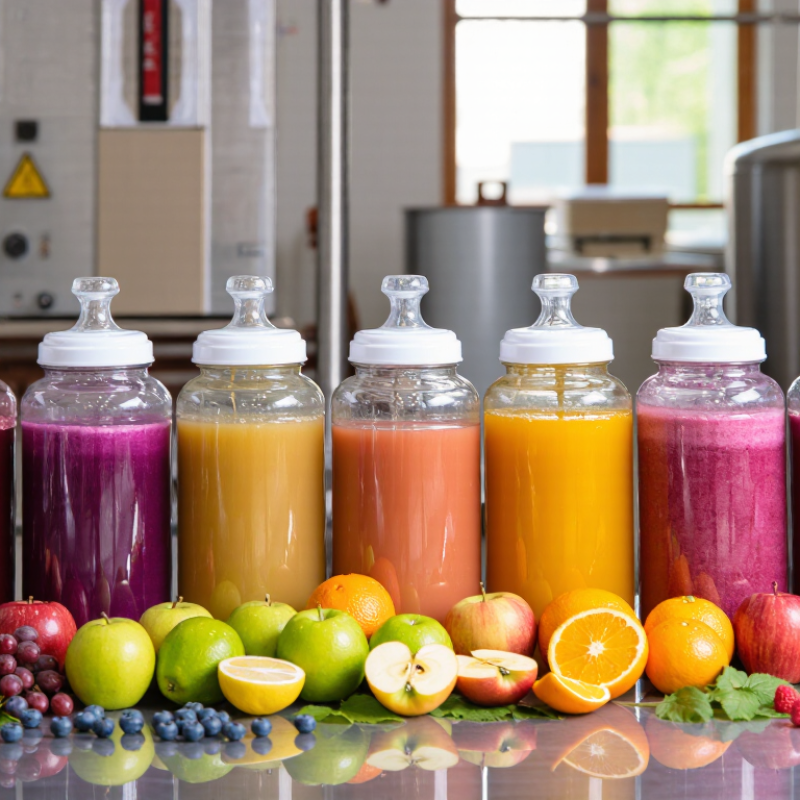
10 Best Kosher Certified Juice Concentrates for Global Buyers?

What Kosher Certification Means for Juice Concentrates

10 Best Kosher Certified Juice Concentrates for Global Buyers?

What Kosher Certification Means for Juice Concentrates

Kosher certification confirms that a juice concentrate follows defined Jewish dietary requirements. It does not automatically prove superior nutrition, cleaner farming, or better flavor. For buyers, that distinction matters. A concentrate may carry certification while still containing high natural sugar or facing oxidation risks.

Auditors review more than the fruit source. They examine processing aids, enzymes, carriers, flavors, filtration materials, and cleaning chemicals. Shared equipment also receives close attention. A citrus concentrate processed on dairy-contact equipment may require a different kosher status. Seasonal ingredients can create another issue. Suppliers should verify every production lot and certificate scope.

Documentation is essential.

The certificate should identify the facility, product category, production conditions, and expiration date. Buyers should also request allergen statements, specifications, traceability records, and recent laboratory results. This reflects practical quality control, not paperwork for its own sake. The Grand View Research fruit concentrates market report estimates continued global growth through 2030, increasing the need for consistent supplier verification. Meanwhile, FAO food outlook reporting continues to highlight pressure on agricultural supply chains and commodity availability.

Kosher status can support market access, but it cannot replace technical due diligence. I would still compare Brix, acidity, microbiological limits, packaging barriers, and storage temperature. Small misunderstandings happen, especially when certificates cover only specific products. That is why written confirmation from the certifying body remains more reliable than a sales statement.

10 Best Kosher Certified Juice Concentrates for Global Buyers?

What Kosher Certification Means for Juice Concentrates

This comparison shows typical commercial target soluble-solids levels for ten widely traded juice concentrate categories, measured in degrees Brix (°Bx). Higher Brix generally indicates a more concentrated product and can affect storage, freight efficiency, dilution ratios, and formulation costs.

Kosher certification confirms that the ingredients, processing equipment, production procedures, and applicable additives comply with kosher requirements under recognized rabbinical supervision. Certification is facility- and product-specific, so global buyers should verify the current certificate, symbol, production site, and whether Passover certification is required. The Brix figures are indicative commercial specifications rather than brand rankings.

How to Assess Quality, Flavor, Brix, and Processing Standards

Choosing the 10 best kosher certified juice concentrates requires more than checking a certification symbol. Experienced buyers should request a current kosher certificate, facility details, ingredient declarations, and lot-level traceability. Certification may depend on equipment, processing dates, and shared production lines. Verify that the certificate covers the exact concentrate and intended market.

Quality begins with measurable data. Review Brix results from a calibrated refractometer, not only the supplier’s target range. A higher Brix can reduce shipping volume, but it may also intensify sweetness and acidity. Test pH, titratable acidity, color, viscosity, and microbiological results. Compare a diluted sample at the final application strength. Look for clean fruit aroma, natural color, and a finish without burnt or metallic notes. Small differences matter.

Flavor should match the fruit, not merely laboratory numbers. One apple concentrate may taste floral, while another shows cooked notes from stronger heat exposure. Ask about evaporation temperature, pasteurization, aseptic filling, and storage conditions. Request a certificate of analysis for each lot. Review allergen controls and sanitation records where relevant. I have learned that a perfect Brix reading cannot repair dull flavor. My own early evaluations sometimes favored stronger color too quickly. That was a mistake. Color can hide oxidation or excessive heat damage. A transparent supplier should explain variation, shelf life, and corrective actions without vague assurances. Avaliable samples and independent testing can expose gaps before a contract becomes expensive.

Ten Leading Kosher-Certified Juice Concentrate Categories

10 Best Kosher Certified Juice Concentrates for Global Buyers?

Ten Leading Kosher-Certified Juice Concentrate Categories

Global buyers are expanding concentrate portfolios as beverage manufacturers seek stable flavor, lower freight weight, and flexible formulation. Grand View Research projects continued growth in the fruit concentrate market through 2030, supported by demand for clean-label drinks and convenient ingredients. Certification still requires careful review. Kosher status confirms supervised ingredient and processing compliance, not automatically superior taste or nutrition.

The ten leading categories are apple, white grape, red grape, orange, lemon, pineapple, mango, cranberry, pomegranate, and mixed berry concentrates. Apple and grape offer dependable acidity and sweetness for large-volume blends. Orange and lemon support refreshing beverages, though aroma loss can appear after extended storage. Tropical options, especially mango and pineapple, provide strong color and recognizable flavor. Pomegranate and cranberry attract premium beverage developers, but their sharper profiles may require careful balancing.

Mordor Intelligence identifies Asia-Pacific and other emerging markets as important growth areas for fruit-based beverage ingredients. Buyers should compare Brix, acidity, turbidity, origin, aseptic packaging, and shelf-life data before approval. A valid certificate should match the exact facility, product, and production period. Small details matter. Storage abuse can still damage a compliant concentrate. Some suppliers present broad category certificates, yet the documentation may not cover every blend or processing aid. That gap deserves questioning. In practice, pilot trials often reveal sediment, flavor drift, or color changes that laboratory sheets miss.

10 Best Kosher Certified Juice Concentrates for Global Buyers? – Ten Leading Kosher-Certified Juice Concentrate Categories
Rank Juice Concentrate Category Typical Soluble Solids Common Product Format Primary Global Applications Key Buyer Advantages Kosher Purchasing Consideration
1 Apple Juice Concentrate Approximately 70° Brix Clear or cloudy concentrate Juice drinks, fruit blends, beverages, sauces and sweetening systems Broad consumer acceptance, neutral fruit profile and dependable blending performance Commonly available with kosher certification; verify the current certification symbol and certificate for each lot or supplier.
2 Grape Juice Concentrate Approximately 68–72° Brix White or red grape concentrate Juices, nectars, confectionery, beverage bases and natural color applications High sweetness, strong flavor contribution and efficient transport compared with ready-to-drink juice Kosher-certified versions are widely marketed; confirm whether certification applies to the specific color, processing line and vintage.
3 Orange Juice Concentrate Typically about 60–65° Brix Frozen or aseptic concentrate Reconstituted orange juice, juice blends, beverages and foodservice products Recognizable flavor, established international demand and strong suitability for reconstitution Certification can depend on processing aids, flavor systems and seasonal production; request documentation for the exact specification.
4 Pineapple Juice Concentrate Usually about 60–65° Brix Clear or naturally cloudy concentrate Tropical beverages, cocktail mixers, marinades, sauces and fruit preparations Distinctive tropical flavor and useful acidity for blended beverage formulations Kosher-certified supply is available in the global market; check certification for added ingredients and clarification materials.
5 Lemon Juice Concentrate Commonly about 400–500 g/L juice equivalent; specifications vary Standardized concentrate or clarified concentrate Lemonades, dressings, sauces, marinades, beverages and preservation-oriented formulations High acidity, strong flavor impact and efficient use in products requiring citrus character Certification should cover the concentrate and any processing aids; review acidity, pulp and preservative specifications separately.
6 Lime Juice Concentrate Often about 45–50° Brix, depending on specification Clarified or cloudy concentrate Soft drinks, cocktail mixes, sauces, dressings and prepared foods Strong aromatic profile and reliable acidity for beverage and culinary formulations Confirm kosher status for the exact concentrate, especially where natural flavors, preservatives or carrier ingredients are used.
7 Cranberry Juice Concentrate Often about 50–65° Brix Concentrated juice or standardized cranberry base Fruit drinks, wellness beverages, blends, sauces and nutritionally positioned products Strong color and tart flavor that can support distinctive product positioning Kosher-certified options are available; buyers should verify the certificate, sweetener status and any blending ingredients.
8 Pomegranate Juice Concentrate Commonly about 60–68° Brix Dark red concentrate Premium beverages, juice blends, sauces, culinary products and functional beverage concepts Intense color, pronounced flavor and suitability for premium product formulations Check certification for the finished concentrate and confirm that no non-certified flavor, color or processing component has been added.
9 Mango Juice or Puree Concentrate Usually about 28–32° Brix for concentrated puree Puree concentrate or homogenized fruit base Nectars, smoothies, dairy beverages, desserts, sauces and tropical blends Rich mouthfeel, strong tropical identity and good performance in thick beverage products Verify certification for the complete formulation, including stabilizers, emulsifiers and any added sugar or flavor system.
10 Blackcurrant Juice Concentrate Often about 60–65° Brix Dark-colored concentrate Fruit beverages, blends, syrups, confectionery and specialty food products High-impact color and tart berry flavor, allowing relatively low inclusion rates in blends Confirm current kosher certification and ensure the certificate covers the production facility, additives and packaging requirements.
Buyer note: “Kosher certified” is product- and facility-specific rather than automatically applicable to an entire ingredient category. Before purchasing, request a valid kosher certificate, confirm the certification agency and symbol, review the ingredient specification, and check whether the certificate covers the intended production date and packaging format.
Typical Brix values and product formats are industry reference ranges and may vary by fruit variety, origin, harvest conditions, clarification method, concentration ratio and supplier specification. Buyers should use the supplier’s current technical data sheet and certificate as the final reference.

How Global Buyers Can Compare Suppliers and Product Formats

10 Best Kosher Certified Juice Concentrates for Global Buyers?

How Global Buyers Can Compare Suppliers and Product Formats

Global buyers should compare juice concentrates by measurable specifications, not attractive product names. USDA Foreign Agricultural Service’s 2024/25 Citrus: World Markets and Trade report estimates global orange juice production at roughly 1.7 million metric tons, measured at 65° Brix. This scale makes consistency difficult during poor harvests. Ask suppliers for Brix, acidity, juice ratio, origin, harvest period, and processing method. Small differences can change flavor, dilution cost, and customs classification.

Product format matters. Frozen concentrate may protect quality during long transport, while aseptic concentrate can simplify storage and reduce cold-chain dependence. Apple concentrate often approaches 70° Brix, but specifications vary by crop and processor. The International Fruit and Vegetable Juice Association provides technical guidance for identity, testing, and quality control. Buyers should request recent Certificates of Analysis, microbiological results, pesticide compliance documents, and traceability records. Do not rely on one laboratory report.

Kosher status requires careful verification. Confirm the certificate’s issuing authority, product code, facility scope, and Pareve status when relevant. Certification should cover the exact concentrate and processing line, not merely the supplier’s site. Codex standards can support checks for composition and labeling, but importing countries may apply additional rules. Packaging also deserves attention: inspect drum liners, seal integrity, pallet treatment, and minimum remaining shelf life. A cheaper concentrate may create higher losses after arrival. I would still sample before contracting; paperwork can look perfect while sensory performance disappoints.

Key Import, Labeling, Storage, and Distribution Considerations

Buying kosher-certified juice concentrates requires more than checking a seal. Importers should verify the certificate’s validity, scope, and issuing authority. The certificate must match the exact product, facility, and processing method. Ask for a current specification sheet, allergen statement, ingredient list, and certificate of analysis. Keep lot numbers aligned across every document. Check every lot. This small detail can prevent expensive customs delays. Confirm the correct tariff classification before shipment. Rules and duties vary by destination. A freight forwarder can review documents, but the buyer remains responsible for accuracy.

Labels need local review before printing. Ingredient names, net volume, origin, nutrition data, storage instructions, and importer details may be mandatory. “Kosher” wording must reflect approved certification, not a marketing assumption. Some markets also require translations or special fruit-content declarations. Check whether the concentrate is aseptic, chilled, or frozen. A pallet that looks stable at loading can deteriorate after repeated temperature changes. Use sealed packaging, readable lot codes, and temperature records where needed. Keep reserve samples for quality checks.

Distribution planning should follow shelf life, not convenience. Apply FEFO, especially when fruit concentrates carry limited remaining dates. Warehouses need clean, dry zones and documented pest controls. Separate damaged drums immediately. Traceability should connect supplier lots, transport records, customers, and complaints. In practice, one missing delivery record can weaken an otherwise strong compliance system. Buyers sometimes trust certificates too quickly. That is a useful warning. Recheck documents at every renewal and after any process change. Good purchasing is careful, but never perfect.

FAQS

What documents should buyers request before approving a kosher-certified juice concentrate?

Request a current kosher certificate, ingredient declaration, facility details, and lot-level traceability. The certificate must match the exact product and facility. Check the production period and intended market. Broad certificates can leave important gaps.

Does kosher certification guarantee superior flavor or nutrition?

No. It confirms supervised ingredient and processing compliance. It does not guarantee excellent taste, color, or nutritional value. Evaluate each lot independently. Certification is not a flavor test.

Which measurements help assess concentrate quality?

Review Brix, pH, titratable acidity, color, viscosity, and microbiological results. Use readings from calibrated equipment, especially a refractometer. Compare a diluted sample at its final application strength. Numbers help, but they do not tell everything.

How can Brix affect product decisions?

Higher Brix may reduce shipping volume and storage space. It can also intensify sweetness and acidity. Do not choose the highest reading automatically. The strongest number may not taste best.

What flavor details should buyers examine?

Look for a clean fruit aroma, natural color, and a balanced finish. Avoid burnt, metallic, or dull notes. Apple concentrate may taste floral or cooked. Small differences matter.

Which processing details can change concentrate flavor?

Ask about evaporation temperature, pasteurization, aseptic filling, and storage conditions. Stronger heat exposure may create cooked flavors. Long storage can reduce citrus aroma. Processing history deserves direct questions.

Which juice concentrate categories are commonly considered for global portfolios?

Common categories include apple, white grape, red grape, orange, lemon, pineapple, mango, cranberry, pomegranate, and mixed berry. Apple and grape offer dependable sweetness and acidity. Tropical concentrates provide vivid color and recognizable flavor. Cranberry and pomegranate can taste sharply acidic.

Why are pilot trials and independent testing useful?

Pilot trials may reveal sediment, flavor drift, or color changes. Laboratory sheets can miss practical application problems. Independent testing can expose documentation or quality gaps. I once favored stronger color too quickly. That was a mistake.

Conclusion

Kosher Certified Juice Concentrates offer global buyers a practical way to source consistent fruit and vegetable ingredients while meeting specific religious and quality requirements. This guide explains what kosher certification means, including controlled handling, approved processing practices, ingredient review, and reliable traceability. It also outlines how to assess concentrate quality through flavor accuracy, color, aroma, Brix levels, acidity, processing methods, and batch consistency. Ten major concentrate categories are explored, covering widely used fruit and vegetable options suitable for beverages, food manufacturing, and further formulation.

For international purchasing, buyers should compare suppliers by certification validity, product format, concentration, packaging, minimum order quantities, documentation, and production capacity. Attention should also be given to import requirements, accurate labeling, allergen declarations, shelf-life information, storage temperatures, and transportation conditions. By evaluating both technical specifications and supply-chain reliability, buyers can select Kosher Certified Juice Concentrates that support consistent production, efficient distribution, and compliance with destination-market requirements.

Oliver

Oliver

Oliver is a professional marketing specialist with a deep understanding of the company’s products, customers, and the needs of the markets it serves. He regularly contributes expert articles to the company website, offering clear, practical information that helps readers understand product......