
China is becoming an important sourcing base for Halal Certified Fruit Concentrates, especially apple, pear, grape, peach, and berry ingredients. Chinese processors increasingly serve beverage, dairy, bakery, and nutraceutical manufacturers across Asia and the Middle East.
The State of the Global Islamic Economy Report 2023/24 estimates Muslim consumer spending reached US$2.29 trillion in 2022. Its halal food sector accounted for approximately US$1.4 trillion. The report projects continued growth through 2027. Grand View Research also identifies fruit concentrates as a growing global ingredient category, supported by demand for natural flavors, reduced waste, and convenient formulation.
Strong demand does not remove buyer concerns.
Rafi-uddin Shikoh, founder of DinarStandard, has said, “The halal economy is about much more than halal food.” This principle matters when evaluating Chinese suppliers. A credible producer should provide a valid certificate, clear certification scope, ingredient declarations, allergen controls, and traceable processing records. Buyers should also check Brix levels, acidity, color stability, pesticide testing, microbiological results, and cold-chain practices. Small details matter, especially when concentrate arrives in a 250-kilogram drum.
This guide examines China’s leading Halal Certified Fruit Concentrates suppliers through quality, certification, production capacity, export experience, and technical support. Certification alone is not enough. Certificates can expire, product specifications can change, and supplier webpages may not show the complete picture. Therefore, independent verification remains necessary. The market is promising, but selection should stay practical, documented, and slightly skeptical.
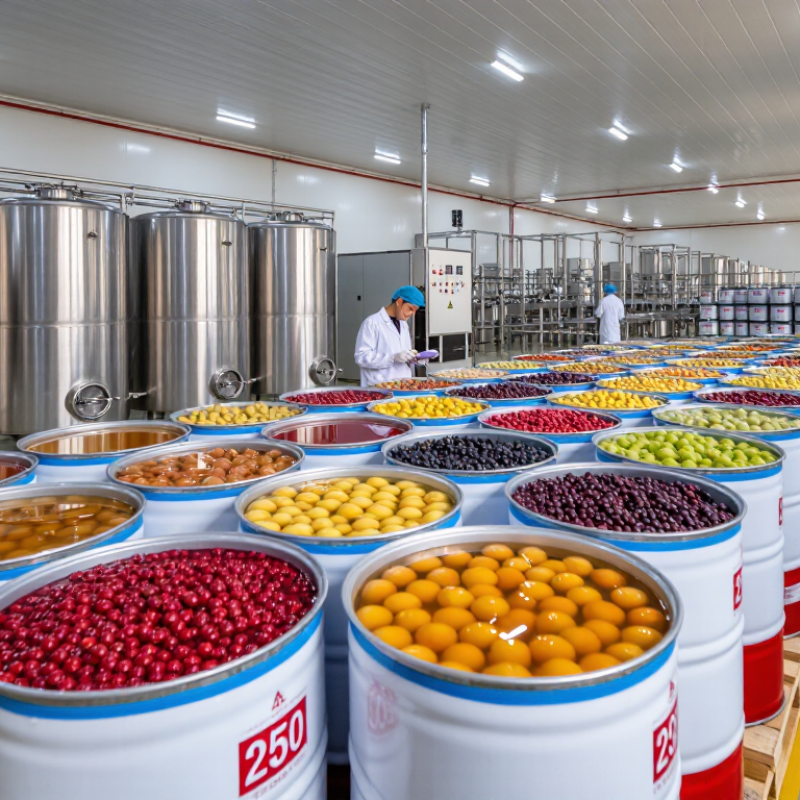
Halal-certified fruit concentrates are fruit juices reduced by water removal, then verified against Islamic dietary requirements. The scope covers raw fruit, processing aids, enzymes, carriers, cleaning chemicals, storage, and transport. Certification therefore concerns the complete production chain, not only the final orange, apple, or berry concentrate. Any alcohol-based processing material, doubtful flavor carrier, or shared equipment may require documented control and religious review.
Demand is commercially significant. The State of the Global Islamic Economy 2023/24 reports that Muslim consumer spending on food reached about US$1.4 trillion in 2022. It projects this figure to approach US$1.89 trillion by 2027. These figures cover the wider food sector, not fruit concentrates alone. Still, they show why buyers increasingly request traceable halal documentation. A credible supplier should provide a valid certificate, ingredient specifications, batch records, and evidence of segregation. Certificate validity matters. So does the certification body’s recognition in the destination market.
Tips: Ask whether the certificate covers concentrate processing or only the factory. Check the product code, expiry date, and approved ingredients. Request allergen and pesticide-control records. Practical audits often reveal gaps that documents miss. A clean certificate is helpful, but it is not proof of perfect supply-chain control. Processing changes, temporary suppliers, and unclear cleaning procedures can create risk. Buyers should review these points before signing a long-term contract.
China’s fruit-processing scale makes supplier verification essential. FAOSTAT data places China’s annual fruit production above 300 million tonnes, creating broad sourcing opportunities. Yet volume does not prove halal compliance. DinarStandard’s State of the Global Islamic Economy Report 2023/24 estimates Muslim food spending reached US$1.43 trillion in 2023. This demand raises expectations for documented controls.
A reliable Chinese fruit concentrate supplier should provide a valid halal certificate, production scope, audit date, and certificate issuer’s market acceptance. Buyers must review every ingredient, including enzymes, flavors, carriers, processing aids, and cleaning chemicals. Pork derivatives, blood-based materials, and intoxicating alcohol sources require strict exclusion. Small details matter. Citric acid may be acceptable, but its fermentation medium still deserves verification.
Traceability should connect orchard records, concentrate batches, storage tanks, and export documents. Dedicated lines are ideal, but validated cleaning and segregation can also reduce cross-contact risks. Inspectors should check sealed containers, pest controls, staff procedures, and transport conditions. ISO 22000-based food safety systems strengthen reliability, but they do not replace halal certification. Certificates alone are insufficient. In practice, documentation can look complete while supplier controls remain inconsistent. A sample-based audit, laboratory review, and annual reassessment provide stronger evidence. Requirements may differ by destination, so exporters should confirm the importing market’s recognized certification rules before shipment.
Halal certification for fruit concentrates focuses on ingredient traceability, processing aids, alcohol control, production hygiene, segregation, packaging materials, and documented audits. Requirements may vary by certification body and destination market.
Reference frameworks commonly reviewed by buyers and certification bodies include Codex Alimentarius CAG 24-1997, OIC/SMIIC 1:2019, and applicable Chinese or destination-market halal requirements. The scores represent practical priority for supplier evaluation, not official certification percentages.
China Top Halal Certified Fruit Concentrates Suppliers
China’s halal-certified fruit concentrate sector serves beverage, dairy, bakery, and confectionery manufacturers. Common products include apple, orange, mango, grape, berry, and pomegranate concentrates. Each fruit requires a different processing approach.
Fresh fruit is inspected, washed, sorted, and crushed before juice extraction. Filtration removes seeds, pulp, and unwanted particles. Some products retain selected pulp for a richer mouthfeel. Evaporation then removes water under controlled heat, creating a concentrated juice. Vacuum evaporation can help protect color and aroma. Frozen concentrates follow another route and require stable cold-chain storage. Aseptic filling supports longer storage without unnecessary preservatives.
Tips: Ask for current halal certificates, production flow charts, and batch traceability records. Confirm that processing aids, cleaning materials, and packaging components meet halal requirements. Test acidity, soluble solids, color, and microbiological quality before purchase. Supplier audits are useful, but they cannot replace laboratory testing. That is an easy point to miss.
Experienced buyers should also review origin records and seasonal variation. Fruit quality changes with weather, harvest timing, and storage conditions. A concentrate may meet specifications in one season but shift slightly later. No process is perfect. Clear acceptance limits and retained samples make problems easier to investigate. Reliable suppliers should explain deviations openly, rather than hiding them behind attractive specifications.
When evaluating Chinese halal fruit concentrate suppliers, verify more than a certificate logo. The State of the Global Islamic Economy Report 2023/24 estimated Muslim food consumption at US$1.43 trillion in 2023. This growth increases demand for traceable ingredients, but documentation quality still varies. Ask for the certificate’s issuing body, validity date, factory address, and covered product categories. Confirm that the certificate applies to fruit concentrate, not only other processed foods.
Technical evidence matters. Request recent laboratory results for Brix, pH, acidity, microbiological limits, pesticide residues, and heavy metals. Compare them with your destination market’s requirements. A reliable supplier should explain harvest origin, processing temperature, storage conditions, and batch coding. Test a sealed sample before signing a long-term contract. The sample may look perfect. Production consistency is harder.
Tips: Check whether the halal auditor is recognized by the relevant importing authority. Review HACCP or ISO 22000 records, recall procedures, and allergen controls. Request a traceability exercise from finished drum to farm or approved raw-material source. Also inspect packaging photographs and loading practices. Fruit concentrates can absorb odors or suffer quality loss during poor storage. Independent testing is wise, even when paperwork appears complete. I would not rely on a translated certificate alone; small wording differences can create serious customs delays. The UNIDO Industrial Development Report highlights quality infrastructure as essential for reliable international trade, which makes supplier audits more valuable than polished sales materials.
Reliable fruit concentrate sourcing requires more than comparing prices. A valid halal certificate should identify the facility, product category, and certification period. Buyers should confirm whether it covers processing aids, flavor carriers, and cleaning materials. Certificate details must match the actual production site. They should also request recent laboratory reports for sugar content, acidity, microbiological safety, and pesticide residues. Clear specifications reduce disputes later.
Export experience matters when products cross different regulatory systems. A capable supplier can provide commercial invoices, packing lists, certificates of origin, and suitable food safety documents. Concentrate should travel in sealed food-grade drums or aseptic packaging. Temperature records may be necessary for sensitive products. Traceability should connect each batch to fruit origin, processing dates, and storage conditions. Small details matter.
Supply chains still need careful judgment. A complete document package does not guarantee perfect practice. Audit records can be outdated, and online claims may be incomplete. Ask for a current factory audit, production samples, and corrective-action evidence. Review loading procedures, container cleanliness, and emergency communication plans. Seasonal fruit shortages may affect color, flavor, and delivery timing. Discuss approved alternatives before a shortage occurs. Mistakes happen. Good suppliers respond openly, investigate causes, and improve controls instead of hiding weaknesses.
It should cover raw fruit, processing aids, enzymes, carriers, cleaning materials, storage, and transport. The review concerns the full production chain, not only the finished concentrate.
Check the facility name, product category, product code, expiry date, and certification period. Confirm that the certificate matches the actual production site. Small gaps matter.
Yes. Ask about enzymes, flavor carriers, processing materials, and cleaning chemicals. Questionable ingredients or shared equipment may require documented controls and religious review.
Request ingredient specifications, batch records, laboratory reports, and traceability documents. Useful reports cover sugar content, acidity, microbiological safety, and pesticide residues. Records can age.
Use sealed food-grade drums or suitable aseptic packaging. Temperature records may be needed for sensitive products. Check container cleanliness before loading.
Each batch should connect to the fruit origin, processing date, storage conditions, and shipment details. This helps investigators locate problems quickly. It is not perfect.
No. A clean certificate does not prove perfect supply-chain control. Request a current factory audit, production samples, and corrective-action evidence. Online claims may be incomplete.
Discuss approved alternative fruit sources before shortages occur. Seasonal changes may affect color, flavor, quality, and delivery timing. Plans can still fail.
The supplier should communicate openly, investigate the cause, and document corrective actions. Review loading records, batch information, and storage conditions. Mistakes happen.
This guide introduces Halal Certified Fruit Concentrates, explaining their scope as fruit-based ingredients produced, processed, stored, and handled according to recognized Halal requirements. It outlines the importance of clean raw materials, approved processing aids, hygienic facilities, segregation from non-Halal substances, and transparent documentation. It also reviews common products such as apple, mango, citrus, berry, and tropical fruit concentrates, together with processing methods including washing, pulping, filtration, evaporation, pasteurization, and aseptic packaging.
The article also provides practical guidance for evaluating Chinese suppliers. Buyers should review valid Halal certification, food safety systems, product specifications, laboratory testing, traceability procedures, production capacity, and export experience. Attention should be given to origin documentation, allergen controls, packaging integrity, shelf life, logistics, and supply continuity. By comparing certification, quality management, technical support, communication, and delivery performance, importers can select reliable suppliers that meet both Halal expectations and international food trade requirements.