Organic Vegetable Purees are more than convenient ingredients. For global buyers, they can shape a product’s color, texture, flavor, and sourcing story. A carrot puree may bring a warm orange hue to a soup base; spinach can deepen a sauce’s color, though its flavor may not suit every recipe. Small differences matter.
Food writer Michael Pollan’s well-known principle, “Eat food. Not too much. Mostly plants,” offers a useful lens for evaluating vegetable-based products. It is not a purchasing specification, of course. Buyers still need product-level evidence. Ask suppliers about vegetable varieties, growing and processing practices, ingredient lists, texture, packaging, shelf life, and available quality documentation. Organic certification and labeling requirements differ by market, so verify that documentation against the destination market’s rules. Do not assume one certificate fits every shipment.
This guide compares ten Organic Vegetable Purees through practical buyer considerations: ingredient transparency, consistency, versatility, and the details suppliers can document. It also recognizes that “best” depends on use. A smooth pumpkin puree may suit a baby-food formulation, while a coarser vegetable blend may work better in prepared meals. Sample before you commit. Check the color under ordinary production lighting, not just in a supplier’s bright product photo. And be candid about uncertainty: a promising specification cannot replace a production trial.
Organic vegetable purees are finely processed vegetables made without synthetic pesticides or fertilizers under applicable organic production standards. They may be sold frozen, chilled, or shelf-stable, depending on processing and packaging. Buyers use them in soups, sauces, prepared meals, and infant foods. Color, flavor, particle size, and consistency can vary with the crop and harvest season. That variation is normal, but it needs clear specifications.
The global market connects growers and processors with food manufacturers across regions. Demand is shaped by ingredient transparency, reliable supply, and convenient formats, though priorities differ between buyers. Organic certification requirements also vary by destination market. Buyers should check certificates, product specifications, origin, processing details, and traceability records rather than relying on a label alone. Frozen puree may retain a fresh vegetable profile, but shipping needs dependable temperature control. Shelf-stable formats can simplify storage, yet heat processing may change taste or color. Specifications can still leave gaps; a sample review is useful, but it cannot predict every production batch.
Tips: Request samples from more than one lot. Check texture after thawing or reheating, and confirm packaging size and storage conditions. Keep records. A small trial run may reveal handling issues before larger orders. It is not foolproof.
A credible Top 10 begins with clear selection rules, not attractive packaging. Each puree should have verifiable organic documentation relevant to its intended market. Buyers should check ingredient lists, origin records, and batch traceability. Organic status alone does not guarantee consistent quality or suitability for every recipe. Details matter.
Reviewers can compare vegetable content, texture, color, and flavor across samples. A spoonful should show whether the puree is smooth, fibrous, watery, or naturally sweet. Small differences affect soups, sauces, and baby-food formulations. Testing more than one production batch helps reveal variation. It takes time.
Processing and packaging deserve equal attention. Ask suppliers about heat treatment, storage conditions, shelf life, and packaging options. Then confirm that samples remain stable during the buyer’s own handling and preparation tests. Independent laboratory reports can support checks for residues and microbiological quality, but buyers should verify report scope and dates. No single document answers everything.
A practical ranking should also consider supply reliability, communication, and the ability to provide consistent specifications. Price matters, but unusually low quotes may leave important costs unclear. The final ten will vary by destination, recipe, and purchasing volume. Even a careful scorecard has limits: sensory preferences are subjective, and one sample can mislead. Keep the criteria visible, record test results, and revisit selections when crops or processes change.
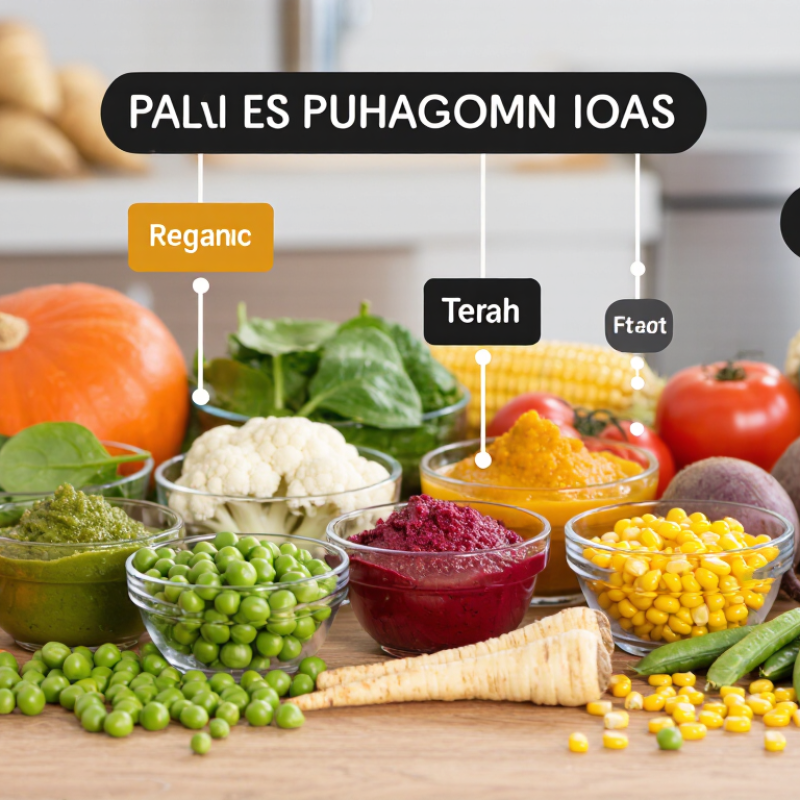
Carrot puree is a dependable base, with a bright orange color and mild sweetness that suits soups and blended meals. Pumpkin puree is thicker and earthy; buyers should specify moisture levels because varieties differ. Sweet potato brings a denser texture and natural sweetness. Pea puree is vivid green, but its color can dull during heating. Spinach puree adds a grassy note and benefits from careful blending. Beet puree delivers strong color. A little goes far.
Cauliflower puree has a mild flavor and smooth finish when well processed. Broccoli puree can taste pronounced, so it may need balancing in recipes. Zucchini puree is light and watery; clear solids targets help buyers compare batches. Butternut squash puree offers a smooth, sweet profile, though it overlaps with pumpkin in some markets. These profiles are practical, not universal; cultivar, harvest timing, and processing change the result. The Organic Trade Association reported US organic sales of $67.6 billion in 2022, signaling established demand, though not specifically for purees. FAO’s 2023 food-loss report estimated 13.2% of food was lost between harvest and retail in 2021, underscoring the value of reliable crop handling. For buyers, puree specifications should name vegetable type, texture, color, and harvest region.
Top 10 Organic Vegetable Purees for Global Buyers
Nutrition comparisons should start with the vegetable, not a marketing claim. Carrot and pumpkin purees often have naturally sweet flavors, while spinach and broccoli bring greener notes. Actual nutrient levels vary with variety, harvest maturity, storage, and processing. A smooth puree may also contain less fiber if it has been finely screened. Ask suppliers for product-specific nutrition data rather than relying on general values.
Processing shapes both performance and flavor. Heat-treated purees can offer convenient storage, while frozen formats may better suit buyers with reliable cold-chain capacity. Compare color, texture, soluble solids, pH, and ingredient lists across samples. These details help predict how a puree will behave in soups, sauces, or baby-food formulations. Request the organic certificate, technical specification, and recent batch test documents. Requirements differ by destination, so confirm that documentation matches the intended market. A specification can look complete and still miss a detail your production line needs.
Tips: Test samples in your own recipe, not just from a spoon. Check pack size, storage temperature, shelf life, and minimum order quantity. Keep notes on flavor and texture. I sometimes find the “best” puree changes after heating; that is worth checking before a large order.
Top 10 Organic Vegetable Purees for Global Buyers
For global buyers, certification is more than a logo on a pouch. It must match the destination market, product category, processing site, and shipment records. FiBL and IFOAM’s The World of Organic Agriculture 2025 reports global organic retail sales of €136.4 billion in 2023. That growth raises expectations for proof. Request current certificates, scope details, and lot-level records linking farms to finished puree. Check that ingredient percentages and handling claims align across documents. Small mismatches matter.
Packaging needs to protect both quality and traceability. Ask for oxygen and light barrier specifications, seal-integrity checks, and shelf-life evidence for the actual puree format. A glossy pouch is not proof of a sound supply chain. Review batch codes, temperature records, and contingency plans for harvest delays. These details can reveal weak points before a container is booked.
Tips: Request a sample from a routine production lot, not only a specially prepared sample. Compare its color, texture, and labeling with the specification. Confirm who alerts you when a crop, facility, or packaging component changes. Not every supplier explains this clearly; ask twice if needed. A little friction now can prevent costly surprises later.
Check relevant organic documents, ingredient lists, origin records, and batch traceability. One certificate is not enough.
Carrot offers mild sweetness and bright orange color. Cauliflower can be smooth and mild. Test both.
Pumpkin is thick and earthy; zucchini can be watery. Pea puree may lose color during heating. Small changes matter.
Name the vegetable, texture, color, harvest region, soluble solids, pH, and ingredients. Add moisture targets when needed.
Request product-specific nutrition data. Variety, maturity, storage, and processing affect nutrient levels. General values can mislead.
Ask about heat treatment, storage temperature, shelf life, and packaging. Frozen formats need reliable cold-chain handling.
A spoonful may not predict performance in soup or sauce. Heat a small batch and note its color, thickness, and flavor. I have seen the “best” sample change.
Review organic certificates, technical specifications, and recent batch reports. Check report dates and scope. No document covers everything.
This article introduces Organic Vegetable Purees and their growing role in international food markets, where buyers seek convenient, versatile ingredients for a range of products. It explains how a selection of ten purees can be assessed using practical criteria such as vegetable type, nutritional profile, flavor, consistency, processing method, and suitability for different applications. Individual profiles highlight the distinct qualities of each vegetable puree without treating any single option as universally best.
The article also compares product specifications that matter when evaluating suppliers, including ingredient composition, processing details, and packaging formats. For global buyers, it outlines how to review relevant organic certifications, traceability information, production capacity, and supply-chain reliability. Together, these considerations provide a structured starting point for comparing options and selecting purees that align with product requirements, quality expectations, and sourcing needs.