
Choosing juice ingredients for the beverage industry involves more than selecting a flavor that tastes appealing. Beverage Industry Juice Ingredients must fit the product’s purpose, processing method, and target sensory profile. A juice concentrate may help deliver consistent flavor in a compact format, while juice with pulp can add visible texture. Each choice affects sweetness, acidity, color, aroma, and mouthfeel. Start by defining the drink: Is it clear or pulpy? Light and crisp, or rich and fruit-forward?
Taste the ingredients, then review their technical specifications. It matters. Check Brix, acidity, color, pulp level, and how each ingredient performs after blending and processing. A bright orange sample may look promising in a glass but behave differently in a finished beverage. Ask suppliers about origin, traceability, batch consistency, and available quality documentation. Sensory trials and small pilot batches can reveal changes that a specification sheet cannot. Keep careful records of formulas and results. The details are easy to overlook.
Reliable selection also means balancing flavor with supply, cost, and production needs. Compare samples under realistic conditions, including storage and the intended shelf life. Involve product development and quality teams when judging fit. No single ingredient works for every recipe, and supplier information still needs practical verification. That deserves reflection. A measured process helps beverage makers choose juice ingredients with greater confidence and create drinks that meet both consumer expectations and manufacturing requirements.
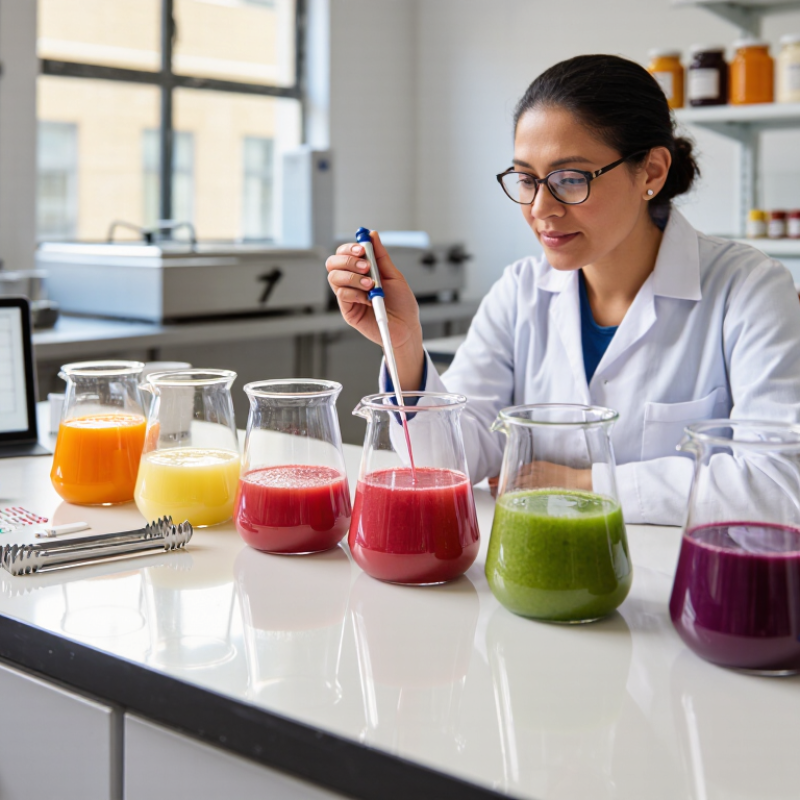
A juice formula should begin with a clear job: refreshment at breakfast, a portable fruit serving, or a lower-sugar option for everyday sipping. Each purpose points to different ingredients. A breakfast drink may need a fuller body from purée, while a light afternoon refreshment may suit a brighter, more acidic profile. Occasion matters.
Define the target consumer before choosing fruit, sweetness, or texture. McKinsey’s 2024 Future of Wellness report found that 82% of U.S. consumers consider wellness a top or important priority. That signals an opportunity for juices with clear, credible benefits, but it does not mean every shopper wants the same thing. Parents may value familiar flavors and easy-to-read ingredients; active adults may look for convenient portion sizes. These are useful hypotheses, not facts about every buyer. Test them.
Translate the brief into measurable choices: sweetness level, serving size, price range, and whether the drink is consumed chilled or on the go. A small tasting panel can compare, for example, apple-led blends with sharper citrus versions. Ask people what they would actually buy, not only which sample they prefer. I’ve seen teams overvalue a vivid flavor in a tasting and overlook its cost or daily drinkability. That assumption can be wrong. Use consumer feedback alongside ingredient cost and stability checks before locking the recipe.
Selecting juice ingredients starts with the drink’s purpose, not a fashionable fruit. Citrus can add aroma and brightness, while apple or pear juice often brings body and gentle sweetness. Berry juices contribute color and tartness, but their flavor may fade during heating or storage. Match the juice type to the process: a clear drink may need clarified juice, while smoothies can benefit from cloudy juice or purée. Check soluble solids, acidity, color, and flavor consistency across supplier lots. Small differences matter.
Ingredient form changes handling and formulation. Not-from-concentrate juice offers a fresh profile but needs refrigerated logistics and careful shelf-life planning. Concentrate reduces shipping volume and can be reconstituted to a target strength; verify water quality and mixing methods. Purées add texture and suspended fruit solids, which may settle without suitable processing. Powdered juice can simplify dry blending, though its carrier ingredients and rehydrated taste deserve scrutiny. Run bench trials, then pilot batches under real processing conditions. Taste after storage, not only on production day.
Tips: Request a specification sheet and recent batch data. Compare samples at the same dilution and temperature. Record Brix and pH, but do not let numbers replace tasting. Check how the ingredient behaves in your actual package. A neat lab result can still disappoint in a bottle. If the choice feels obvious, test one less obvious option too.
Juice selection is a balance of flavor, color, and nutrition—not a search for the brightest sample. Taste ingredients in the intended blend, since acidity and sweetness can shift after dilution or heating. A deep orange hue may suggest carotenoid-rich fruit, but shade alone cannot confirm nutrient levels. Check color across several batches under consistent lighting. Small differences matter.
Tips: Chill samples equally. Record aroma, acidity, and color. Recheck after processing.
For nutrition benchmarks, USDA FoodData Central lists about 50 mg of vitamin C per 100 g of raw orange juice. Actual values vary with fruit, season, storage, and processing. Treat database figures as reference points, then test representative production samples. Nutrient retention can change with heat and oxygen exposure; even a brief transfer through a half-filled tank may add air. That detail is easy to miss. FoodData Central reports nutrient composition, not consumer preference, so pair lab results with structured sensory evaluations. The honest limitation: no single ingredient delivers identical flavor, color, and nutrition in every batch.
| Juice Ingredient | Typical Flavor Profile | Natural Color | Typical °Brix | Typical pH | Nutritional and Functional Properties | Potential Beverage Applications |
|---|---|---|---|---|---|---|
| Orange | Sweet-tart, citrus aroma; moderate acidity | Yellow-orange to deep orange | 10–13 | 3.3–4.2 | Provides vitamin C and naturally occurring sugars; composition varies with variety and processing. | Breakfast drinks, citrus blends, smoothies, and beverages seeking familiar fruit flavor. |
| Apple | Mild, crisp, and generally sweet, with variety-dependent tartness | Pale straw to golden; may darken through oxidation | 11–14 | 3.3–4.0 | Supplies carbohydrates, primarily naturally occurring sugars; typically contains relatively little vitamin C unless fortified. | Neutral blending base, mixed-fruit drinks, and products needing a mild sweetness contribution. |
| Lemon | Strongly acidic, tart, and aromatic | Nearly clear to pale yellow | 6–8 | 2.0–2.6 | A source of vitamin C; its high acidity can contribute a sharp taste and help lower a blend’s pH. | Lemonades, citrus blends, flavor balancing, and beverages requiring pronounced acidity. |
| Pineapple | Tropical, sweet-tart, and aromatic | Pale yellow to golden | 12–16 | 3.2–4.0 | Provides naturally occurring sugars and vitamin C; nutrient levels vary with ripeness and juice processing. | Tropical blends, sparkling drinks, smoothies, and beverages seeking a fragrant fruit profile. |
| Carrot | Mildly sweet, earthy, and less acidic than most fruit juices | Yellow-orange to vivid orange | 8–10 | 6.0–6.5 | Contains beta-carotene, which the body can convert to vitamin A, as well as naturally occurring sugars. | Vegetable-fruit blends, smoothies, and drinks seeking an orange hue and a less tart flavor. |
| Beet | Earthy, subtly sweet, and distinctive | Deep red to purple-red | 8–12 | 5.5–6.5 | Contains naturally occurring folate and betalain pigments; color stability can be affected by processing and storage conditions. | Vegetable blends, smoothies, and products seeking a naturally intense red-purple color. |
| Cranberry | Very tart and astringent; often balanced with sweeter ingredients | Light red to deep ruby | 7–10 | 2.3–2.5 | Contains naturally occurring polyphenols. Sweetness and sugar content vary substantially between pure juice and sweetened cranberry beverages. | Ruby-colored blends, sparkling drinks, and formulations pairing tartness with apple or other sweet juices. |
Values are typical reference ranges for juice ingredients and can vary with fruit variety, growing conditions, ripeness, extraction, and processing. °Brix is a measure of soluble solids and is commonly used as an estimate of juice sweetness; pH indicates acidity. Nutritional composition depends on the specific juice and whether ingredients are added.
Choosing juice ingredients starts with evidence, not a supplier’s polished specification sheet. The WHO’s 2015 foodborne disease estimates attributed about 600 million illnesses and 420,000 deaths worldwide to contaminated food each year. Those figures cover all foods, not juice alone, but they show why ingredient controls matter. Request lot-specific microbiological results, pesticide-residue testing, and traceability records. Check that the certificate of analysis matches the delivered lot. Then verify key measures, such as Brix and acidity, against your product specification. A tidy document is useful. It is not proof by itself.
Use Codex’s General Principles of Food Hygiene (CXC 1-1969) and its fruit juice and nectar standard (CXS 247-2005) as technical reference points. They help frame hygiene, composition, and quality checks; they do not replace local regulatory review. Requirements can differ by destination and product type. Confirm permitted ingredients, contaminant limits, labeling rules, and processing obligations for each market. Ask suppliers how they control water, equipment sanitation, and cross-contact risks, and review audit findings where available. Keep samples from incoming lots for comparison. One practical weakness remains: testing only at approval can miss later variation, so set a risk-based schedule for repeat checks. Small differences matter. A few degrees of storage temperature or a shifted harvest season can change flavor and stability.
Balancing Cost, Supply, and Production Needs
Ingredient selection is a supply decision as much as a flavor decision. The lowest price per tonne can hide extra sorting, inconsistent sweetness, or slower production. Compare cost per usable juice solids, not just purchase price. Set clear incoming limits for Brix, acidity, color, and pulp. Then test them against the actual process line. Small differences matter. USDA NASS reported Florida orange production fell from 41.2 million boxes in 2021–22 to 18.1 million in 2022–23 in its Citrus Fruits Summary. That sharp change shows why a single-source plan can leave a plant exposed to crop swings. A backup origin or a pre-approved blend can help, but only if trials confirm the same taste and processing performance.
Supply planning should also consider timing, storage, and losses. FAO’s The State of Food and Agriculture 2023 estimated that 13.2% of food was lost after harvest and before retail in 2021; this is not a juice-specific figure, but it highlights the value of reliable handling and logistics. Ask suppliers about harvest windows, transport lead times, and available forms, such as concentrate or frozen pulp. Match each option to tank capacity, cold storage, and production schedules. I would not treat a second supplier as a complete safeguard without checking its seasonal availability and specifications. That assumption can fail. Review delivered cost and quality records regularly, then adjust sourcing before shortages force a rushed reformulation.
Start with the drink’s purpose. Citrus adds brightness, while apple or pear can add body and gentle sweetness. Berry juice brings color and tartness, though its flavor may fade during storage.
Clarified juice suits drinks that need a clear appearance. Cloudy juice or purée can give smoothies more texture. Purée may settle, so test it in the actual process.
Not-from-concentrate juice needs refrigeration and careful shelf-life planning. Concentrate saves shipping space but requires consistent reconstitution. Powder can simplify dry blending; check its carrier ingredients and rehydrated taste.
Compare Brix and pH with your product specifications. Also assess aroma, acidity, and color. Numbers help, but they cannot replace tasting.
Use the same dilution and temperature for every sample. Check color under consistent lighting, then taste the intended blend. A good-looking lab sample can still disappoint in a bottle.
It offers a reference, not a guarantee. Raw orange juice is listed at about 50 milligrams of vitamin C per 100 grams, but values vary. Heat and oxygen can reduce retention. That detail is easy to miss.
Ask for lot-specific microbiological results, residue testing, and traceability records. Check that the analysis certificate matches the delivered lot. A tidy document is useful, but it is not proof by itself.
Retain samples from incoming lots and schedule repeat checks based on risk. Review water controls, sanitation, and cross-contact precautions. Requirements vary by market, so confirm applicable product and labeling rules. One approval test may not catch later changes.
Choosing juice ingredients for the beverage industry begins with a clear understanding of the product’s purpose and target market. Beverage Industry Juice Ingredients should suit the intended taste, format, and consumer expectations, whether the goal is a refreshing drink, a fruit-forward blend, or a beverage with specific nutritional qualities. Consider juice types and ingredient forms, such as concentrates or purées, and assess how each option affects flavor, color, texture, and nutrient content.
Ingredient selection also requires attention to safety, quality, and applicable regulatory requirements. Review documentation, handling needs, and consistency standards before production. Finally, compare costs, supplier reliability, storage conditions, and availability to ensure ingredients can be sourced and used efficiently at the required scale. Balancing these factors helps create a beverage that meets consumer needs while remaining practical to manufacture and dependable over time.