
An authoritative analysis of technical specifications, localized supply chain dynamics, and strategic bulk procurement for food, beverage, nutraceutical, and cosmetic formulation manufacturers across Korea.
South Korea’s food, beverage, and health supplement markets are currently undergoing a structural transformation driven by an aging demographic, heightened consumer awareness of cellular health, and an explosion in the "Inner Beauty" (이너뷰티) segment. Pomegranate juice concentrate—rich in polyphenols, punicalagins, and ellagic acid—has evolved from a simple beverage base into a core functional raw material for high-value formulations.
Korean functional food manufacturers require stringent standardized parameters: consistent organoleptic properties, clear solubility without turbidity sediment, stable acidity balance (citric acid equivalent), and strict adherence to heavy metal and pesticide residue limits set by the Ministry of Food and Drug Safety (MFDS / KFDA). Sourcing from vetted international manufacturers with proven batch-to-batch stability and robust supply chain resilience is essential for maintaining brand equity in South Korea's hyper-competitive market.
To assist institutional buyers, R&D formulators, and QA specialists in South Korea, the following standardized specifications illustrate the commercial benchmark for premium 65 Brix Pomegranate Juice Concentrate imported into the East Asian territory:
| Parameter / Specification | Standard Commercial Value | Analytical Method / Protocol | Korean Regulatory Alignment |
|---|---|---|---|
| Soluble Solids (Brix) | 65.0° ± 1.0° Brix at 20°C | Refractometric (IFU No. 8) | MFDS Standard / Clean Label |
| Total Acidity (as Citric Acid) | 4.0% – 6.5% w/w (Customizable) | Titrimetric pH 8.1 (IFU No. 3) | Food Additive Code Compliant |
| Clarity & Turbidity | NTU < 5.0 (Clear Grade available) | Spectrophotometric 625nm | Optimal for Jelly Stick & RTD |
| Ellagic Acid Content | ≥ 1,200 ppm (Natural Polyphenol Profile) | HPLC-UV Standard Analysis | Functional Health Food Grade |
| Microbiological Limits | Total Plate Count < 100 CFU/g; Yeast/Mold < 10 CFU/g | ISO 4833 / MFDS Microbiological Code | Zero Pathogen Tolerance |
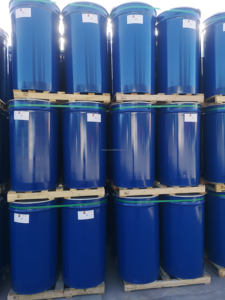
| Packaging Options | 275 kg Aseptic Drums / 25 kg Bag-in-Box / 5-Gal Pails | Cold-Chain Aseptic Barrier Packaging | Compatible with Incheon/Busan Port Logistics |
Pomegranate juice concentrate serves as a dynamic, versatile ingredient tailored to South Korea's distinct consumer product categories.
In South Korea, collagen-infused jelly sticks (콜라겐 젤리스틱) dominate convenience stores and online health platforms. Pomegranate concentrate acts as a double-duty active ingredient: imparting a vibrant ruby-red color and pleasant tart flavor while masking the fishy aftertaste of low-molecular marine collagen peptides.
Combining Korean Red Ginseng (홍삼) with premium pomegranate juice concentrate is one of the highest-grossing functional beverage segments in Korea. The high Brix concentrate balances the bitter ginsenoside profile, appealing directly to female consumers seeking vitality and hormonal balance support.
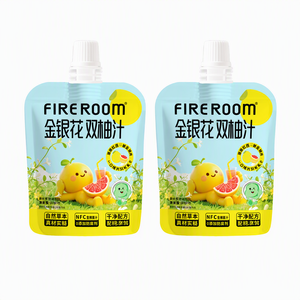
80ml to 100ml single-serve liquid pouches are standard in Korean daily wellness routines. Utilizing standardized clear-clarified pomegranate juice concentrate guarantees zero sedimentation over extended shelf life, ensuring clean product appearance in transparent spout pouches.
Korea's booming craft beer, Makgeolli (막걸리), and sparkling kombucha producers utilize fruit concentrates for natural secondary fermentation sugars and distinct botanical flavor notes, maintaining clean label credentials without artificial flavors or synthetic colors.
Industrial bakeries and sauce compounders leverage high viscosity concentrates to impart natural tartness, deep ruby visuals, and sugar reduction in gourmet meat marinades (e.g., modern Galbi glazes) and artisan gummy candy manufacturing.
Navigating the South Korean food supply chain requires absolute compliance with national import frameworks overseen by the Ministry of Food and Drug Safety (MFDS). Below are key compliance and market trends shaping B2B procurement strategy in 2026:
Korean consumers rigorously analyze backend nutrition panels. Concentrate must be 100% natural, containing no added sugar, preservatives, carrier solvents, or synthetic colorants to qualify for "Clean Label" branding in premium retail channels like Shinsegae, Hyundai Department Store, and Coupang.
South Korea enforces the Positive List System (PLS) for agricultural chemicals. Every batch of imported pomegranate juice concentrate must comply with stringent MRL (Maximum Residue Limit) testing at accredited laboratories prior to customs clearance at Busan Port or Incheon Port.
Maintaining cold-chain conditions (0°C to 4°C for chilled or -18°C for frozen concentrates) during ocean transit is paramount. Heat spikes degrade ellagic acid content and alter the delicate color profile, leading to rejected shipments at customs inspection points.
Backed by over half a century of continuous family ownership and technical innovation, our manufacturing infrastructure is purpose-built to service high-volume institutional contracts as well as specialized agile R&D trials in South Korea.
Clear, authoritative responses to common sourcing, technical, and regulatory questions from procurement managers in South Korea.
The global industrial standard for bulk pomegranate juice concentrate is 65.0° Brix. At 65 Brix, water activity is minimized, preventing microbial proliferation and reducing shipping volume/freight cost per kilo of fruit solids. For specialized beverage reconstitution or jelly stick production, we can also supply tailored concentrations upon request.
All batches destined for South Korea are screened in accordance with Korea’s Positive List System (PLS). We provide full analytical documentation—including multi-residue pesticide screens, heavy metal panels (Lead, Arsenic, Cadmium), and microbiological certificates of analysis—ensuring seamless customs clearance at Korean entry ports.
We provide four main packaging formats:
1. 220L / 275kg Aseptic Steel Drums: Ideal for high-volume beverage manufacturers.
2. 25kg Aseptic Bag-in-Box (BIB): Excellent for medium-scale formulators and easy handling.
3. 5-Gallon Pails: Perfect for localized R&D trials, pilot batches, and craft producers.
4. 1000kg Aseptic Totes: For industrial-scale automated processing plants.
Yes. Our in-house research laboratory specializes in custom blending. We frequently blend Pomegranate concentrate with complementary juices such as Red Grape, Apple, Tart Cherry, or Functional Botanical Extracts (such as Ginseng or Collagen matrix liquids) to streamline your factory's blending operations and reduce raw material SKU complexity.
When stored in unopened aseptic packaging at frozen temperatures (-18°C), the product maintains a certified shelf life of 24 months from the date of manufacture. If kept under cold storage (0°C to 4°C), a shelf life of 12 months is standard. Once opened, containers should be processed immediately or kept refrigerated under strict hygienic protocols.
For items stocked in ready-to-ship inventory, dispatch from our warehousing facilities takes 3 to 5 business days. Ocean transit time to Busan or Incheon Port typically ranges between 18 to 28 days depending on the shipping line and route. Air freight options are also available for urgent sample trials or high-priority R&D launches.
Elevate your product line with certified, high-purity Pomegranate Juice Concentrate tailored for the South Korean market. Request technical datasheets, full CoAs, and custom pricing directly from our specialists.
Inquire Now