
Serving Seoul's leading food processing plants, beverage bottlers, bakery franchises, and R&D food labs with fully traceable, high-Brix, and cold-chain guaranteed industrial fruit ingredients.
An in-depth analysis of South Korea's evolving food safety regulations, consumer sensory preferences, and industrial processing requirements.
The Metropolitan Seoul food and beverage sector—comprising over 25 million consumers in the Greater Seoul Area—represents one of the most sophisticated, fast-moving F&B markets in the Asia-Pacific region. Modern Korean consumer behavior is dictated by three dominant pillars: Health-Conscious Premiumization, Sensory Authenticity, and Clean-Label Transparency.
Unlike traditional commodity markets where sugar-brix and price-per-kilogram are the sole metrics, Seoul beverage formulators and food manufacturers prioritize natural color retention, minimal heat damage, and non-synthetic aromatic profiles. High-growth sectors such as craft tea franchises in Seongsu-dong, premium bakery chains in Gangnam, and automated RTD canning facilities in Gyeonggi-do demand fruit purees that maintain their natural pectin matrix and top-note volatility even after UHT (Ultra-High Temperature) treatment.
Furthermore, the rapid rise of low-sugar and "Zero-Sugar" functional fruit beverages across South Korea has forced R&D labs to seek highly concentrated fruit juices and purees that deliver rich mouthfeel and natural fruit sweetness without added sucrose or high-fructose corn syrup (HFCS).
Exporting fruit purees, concentrates, and essential oils into South Korea requires rigorous adherence to the guidelines established by the Ministry of Food and Drug Safety (MFDS). A critical regulatory bottleneck faced by Korean importers is the strict enforcement of the Positive List System (PLS) for pesticide residues, heavy metal thresholds (Lead, Cadmium, Arsenic), and microbial specifications.
Our direct-from-factory production facilities operate under full FSSC 22000, HACCP, Kosher, and ISA Halal accreditation, ensuring seamless customs clearance at Incheon Port and Busan Port without quarantine delays.
A technical side-by-side comparison for procurement officers and R&D food scientists in South Korea.
| Ingredient Category | Brix Range (°Bx) | Processing Method | Storage / Shelf Life | Primary Application in Seoul Market |
|---|---|---|---|---|
| NFC Fruit Juices | 10.0° - 14.0° | Cold Extraction, Flash Pasteurization | Chilled (0°C to 4°C) / 12-18 Months Frozen | Premium RTD Juices, Cold-Pressed Shots, Craft Kombucha Bases |
| Aseptic Single-Strength Purees | 8.0° - 22.0° | De-stoning, Micro-Milling, Aseptic UHT | Ambient (15°C to 25°C) / 18 Months | Bakery Fillings, Dessert Syrups, Korean Bingsu Toppings, Baby Food |
| Concentrated Purees & FCOJ | 60.0° - 65.0° | Multi-Stage Vacuum Evaporation | Frozen (-18°C) / 24 Months | Industrial Beverage Bottling, Re-constituted Juices, Jelly Candy |
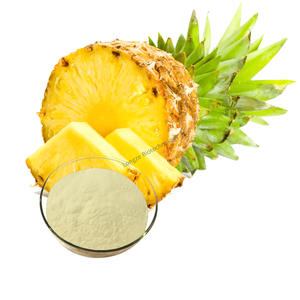
| Spray-Dried Fruit Powders | N/A (Moisture < 5%) | Spray Drying with Carrier / Solvent Extraction | Dry Ambient Store / 24 Months | Dry Premixes, Confectionery Dusting, Nutraceutical Tablets |
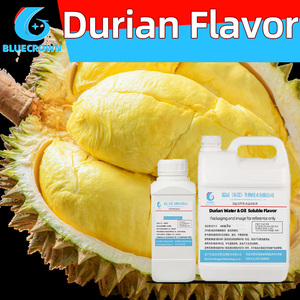
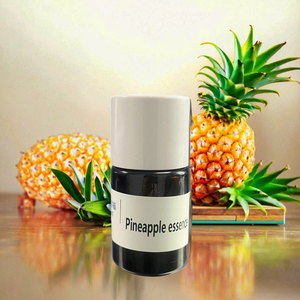
| Essential Oils & Flavor Essences | Highly Concentrated | Cold-Press Peel Extraction & Distillation | Cool Dark Storage / 12-24 Months | Flavor House Compounding, Dairy Aromatics, Hard Candy Aromatic Base |
How top-tier food producers in Seoul integrate our bulk fruit purees and concentrates into commercial manufacturing lines.
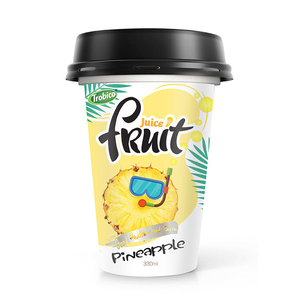
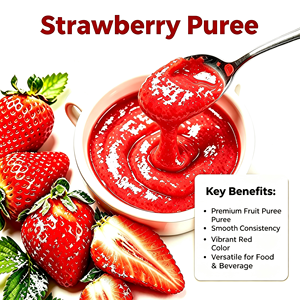
In trend-setting coffee chains across Seoul (Gangnam, Hongdae, Seongsu), Frozen Strawberry Puree and NFC Pineapple Juices serve as the core base for seasonal iced lattes, fruit teas, and shaved ice (Bingsu) toppings. High color intensity and natural seeds yield an authentic, homemade aesthetic that consumers demand.
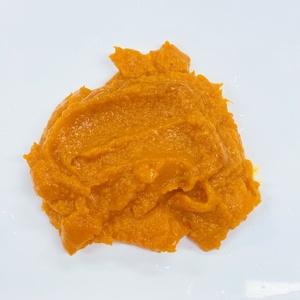
Commercial bakeries supplying convenience store networks (CU, GS25, Seven-Eleven) and premium confectioners utilize Micro-Milled Pumpkin Puree and heat-stable Lychee Essences. These ingredients withstand high oven temperatures (180°C+) without losing aromatic integrity or scorching.
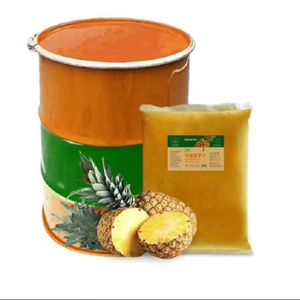
Large-scale beverage bottling plants in Gyeonggi-do process our 65° Brix Pineapple Concentrate (FCOJ) for high-speed automated filling lines. Standardized acidity and high clarity ensure zero sedimentation or clogging in pasteurization heat exchangers.
Over half a century of family ownership, specialized technical expertise, and an unwavering commitment to supply chain transparency.
Every single batch produced across our facility network undergoes comprehensive quality verification prior to dispatch. Operating under strict HACCP protocols, our quality laboratory measures physicochemical parameters including Brix, pH, Titratable Acidity, Specific Gravity, Pulp Content, and Color Index (L*a*b* values).
We supply full Certificate of Analysis (COA), Allergen Statements, GMO-Free Declarations, and Heavy Metal Compliance certificates with every shipping drum or tote bound for Korea.
Recognizing that pilot runs, R&D trials, and seasonal limited-edition product launches in Korea require agile sourcing, we offer one of the lowest Minimum Order Quantities (MOQs) in the global fruit industry. Clients can purchase in quantities as small as a single 5-gallon pail or 20kg bag-in-box (BIB).
For full-scale industrial bottling plants, we provide 200L Aseptic Steel Drums, 1000L Reusable Totes, and customized co-packing and custom juice blending solutions tailored to exact client formulations.
Clear, direct answers regarding customs clearance, sample evaluation, shipping logistics, and compliance for importing to Korea.
All of our agricultural raw materials are grown in compliance with strict Good Agricultural Practices (GAP). Before processing, raw fruits are tested for over 450 pesticide residues to ensure they satisfy the South Korean Ministry of Food and Drug Safety (MFDS) Positive List System threshold (default 0.01 mg/kg for unlisted chemicals). Full multi-residue test reports are provided prior to container loading.
For ocean freight shipped from our main export logistics hubs, ocean transit to Busan Port typically takes 14 to 22 days depending on direct routing. Transshipment and clearance at Incheon Port usually take an additional 2-4 days. For urgent sample evaluations or low-volume R&D trials, we ship chilled or frozen samples via expedited air courier (DHL/FedEx with temperature-controlled insulated packaging) reaching Seoul within 48 to 72 hours.
Yes. Our state-of-the-art custom blending facility specializes in adjusting Brix-to-Acid ratios, particle size micro-milling, and viscosity parameters to match your specific production line requirements. Whether your automated filling system requires a free-flowing puree or a high-viscosity paste, our laboratory team can formulate a tailored blend with batch-to-batch consistency.
Aseptic purees and concentrates are packed in 20kg Bag-in-Box (BIB), 215kg Aseptic Steel Drums, or 1000L Aseptic Totes, allowing for ambient storage (15°C-25°C) prior to opening. Frozen purees and NFC juices are filled into heavy-duty food-grade polyethylene pails (18kg/5-gallon) or lined frozen drums maintained at -18°C throughout cold-chain transit.
Absolutely. We strongly support product innovation and R&D trials. Food engineers and purchasing managers can request lab-scale samples (ranging from 500g to 5kg) or commercial trial pails (18kg/5-gallon) to perform benchtop testing, sensory panels, and shelf-life studies before committing to full container load (FCL) orders.
Yes. Our manufacturing facilities hold official Kosher certification as well as Halal certification issued by the Islamic Services of America (ISA), which is globally recognized. This allows Korean food manufacturers producing finished products for export to Southeast Asia, the Middle East, or North America to maintain full religious compliance across their supply chain.
Request technical specifications, MFDS compliance documentation, or benchtop samples for your Seoul-based food processing plant or R&D facility.