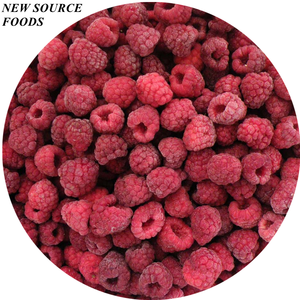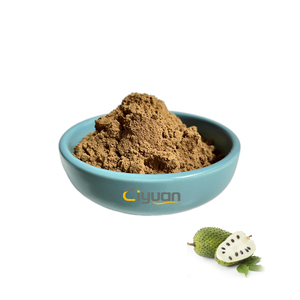
Streamlined B2B supply for beverage bottling plants, dairy processors, and nutraceutical manufacturers across Australia.
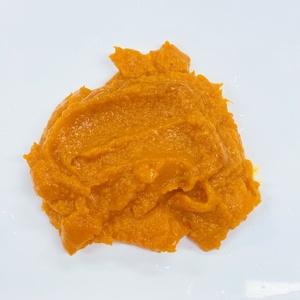
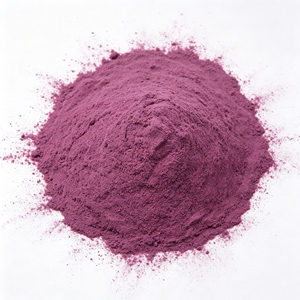
An authoritative technical evaluation of harvest yields, phytonutrient stability, biosecurity compliance, and cost efficiencies for food & beverage manufacturers in Australia.
In the global fruit ingredient sector, Blackberry Juice Concentrate (Rubus fruticosus) represents a critical raw material prized for its deep anthocyanin pigmentation, robust tart-sweet flavor profile, and dense polyphenol composition. For Australian beverage brands, functional food formulators, and craft cider producers, securing a stable year-round supply of high-Brix blackberry concentrate poses unique agricultural and economic challenges. Local Australian berry harvests—primarily concentrated in Victoria and Tasmania—are subject to seasonal weather volatilities, high land usage costs, and limited processing scale optimized for industrial-volume juice concentration.
Consequently, procurement directors across Sydney, Melbourne, Brisbane, and Perth increasingly rely on established trade corridors with China's premier agricultural exporters. China’s major blackberry cultivation regions—notably in Jiangsu, Shandong, and Sichuan provinces—benefit from expansive microclimates, advanced low-temperature vacuum evaporation technologies, and integrated cold-chain infrastructure. As a leading China exporter, Greenwood Associates bridges the gap between Asian agricultural production scale and the stringent standards enforced by Food Standards Australia New Zealand (FSANZ) and the Australian Department of Agriculture, Fisheries and Forestry (DAFF).
China’s northern hemisphere harvest peak (June to August) perfectly complements Australia’s southern hemisphere manufacturing surge during the austral spring and summer (October to March). Importing 65° Brix aseptic concentrate manufactured during China’s peak harvest guarantees optimal enzymatic activity, peak color intensity (E520nm), and competitive per-liter costs for Australian co-packers.
Furthermore, under the China-Australia Free Trade Agreement (ChAFTA), qualifying shipments of non-fermented fruit juice concentrates under HS Code 2009.89 enter Australia under preferential tariff frameworks. When paired with FSSC 22000, Kosher, and Halal certifications, Australian buyers receive an uninterrupted, fully traceable supply chain tailored for high-speed automated bottling and clean-label retail positioning.
Detailed technical benchmarks verified by our in-house HACCP quality control laboratory prior to international dispatch.
Our standard export grade is processed using multi-stage thermal evaporator systems under high vacuum to preserve heat-sensitive compounds.
| Parameter | Standard Specification | Testing Method |
|---|---|---|
| Brix Value (at 20°C) | 65.0 ± 1.0 °Brix | Refractometric (IFU No. 8) |
| Total Acidity (as Citric Acid) | 4.0% – 7.5% w/w | Titrimetric (pH 8.1) |
| pH Value | 2.80 – 3.60 | Potentiometric |
| Clarity / Turbidity | Clarified / Non-Clarified available | Spectrophotometer / NTU |
| Color Intensity (Abs 520nm) | > 8.0 (at 10° Brix dilution) | UV-Vis Spectrophotometry |
| Total Anthocyanin Content | > 250 mg / 100g (as C3G) | HPLC-DAD Analysis |
Strict safety limits ensuring full compliance with Australian Biosecurity (BICON) and FSANZ Code 1.3.1 standards.
| Safety Attribute | Target Threshold | Regulatory Reference |
|---|---|---|
| Total Plate Count | < 100 CFU / mL | ISO 4833-1 |
| Yeast & Mold Count | < 10 CFU / mL | ISO 21527 |
| Pathogens (Salmonella, E. Coli) | Absent / 25mL | FSANZ Compendium |
| Patulin Residue | < 50 ppb (µg/kg) | HPLC-UV Standard |
| Pesticide Residues (MRLs) | Below Detectable Limits | FSANZ Schedule 20 |
| Heavy Metals (Pb, Cd, As) | Conforms to FSANZ 1.4.1 | ICP-MS Method |
How Australian food technologists utilize 65° Brix China blackberry juice concentrate to optimize product taste, color, and nutritional claim profiles.
Australian craft breweries in Victoria and New South Wales heavily utilize clarified blackberry juice concentrate as a natural fermentable sugar source and vibrant visual colorant. The high natural acidity (citric/malic blend) provides crispness, while anthocyanins give hard seltzers and fruit-infused sour beers a stable, attractive deep rubine hue without resorting to artificial dyes like Allura Red (E129).
In dairy formulations, maintaining viscosity and preventing syneresis is crucial. Our 65° Brix concentrate acts as an exceptional fruit preparation base for Greek yogurt fruit-on-the-bottom layerings and non-dairy coconut milk frozen desserts. Its standardized pectin content and low heat-damage index ensure optimal mouthfeel and color retention during high-temperature short-time (HTST) pasteurization.
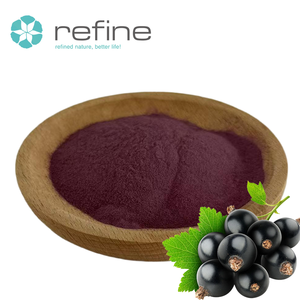
Driven by growing consumer demand across Australian wellness retail chains, high-antioxidant shot formulations require potent botanical concentrations. Blackberry concentrate offers an impressive ORAC (Oxygen Radical Absorbance Capacity) profile. Formulators frequently blend blackberry concentrate with high-potency ingredients like Aronia Melanocarpa and Blueberry Extract to craft synergistic, immunity-supporting tonics.
Navigating Australia's strict import biosecurity protocols and clean-label market mandates with certified China export infrastructure.
Importing plant products into Australia requires strict adherence to Department of Agriculture, Fisheries and Forestry (DAFF) guidelines. Our aseptic production facilities utilize thermal pasteurization regimes that meet and exceed Australian BICON requirements for shelf-stable liquid concentrates, eliminating the need for quarantine delays or post-arrival heat treatment at Australian ports.
Australian consumers actively scan supermarket labels for artificial additives and added sugars. Standard 65° Brix Blackberry Juice Concentrate reconstituted back to single strength (approx. 10.0° Brix) allows brand owners to label their final product as "100% Fruit Juice" or declare "Contains Natural Fruit Sugars", seamlessly supporting Health Star Rating (HSR) optimizations.
Under the China-Australia Free Trade Agreement, importers can leverage preferential 0% duty treatment upon presenting a valid Certificate of Origin (Form FTA / COO). Greenwood Associates provides complete customs documentation packages, ensuring swift clearance at key maritime logistics hubs including Port Jackson (Sydney), Port of Melbourne, and Port of Fremantle.
To mitigate international freight delays, our operations support flexible packaging options ranging from 25kg aseptic Bag-in-Box pails to 250kg cold-stored steel drums and 1,000kg returnable IBC totes. Combined with temperature-controlled reefer container shipping (-18°C for frozen, 0-4°C for aseptic), Australian buyers maintain continuous manufacturing schedules.
Combining over half a century of fruit ingredient expertise with world-class quality systems and customer-centric logistics solutions.
With decades of dedicated focus on fruit concentrates, purees, and citrus essential oils, our specialists bring deep technical insight into ingredient behavior, acid-sugar blending, and processing line integration.
Every lot exported is manufactured in accordance with global benchmark standards: FSSC 22000 Certification, Kosher Certification, and Halal Certification (ISA). Comprehensive HACCP protocols govern all production steps.
Eliminating high entry barriers for R&D pilots and seasonal product launches, we accommodate orders as small as a single 5-gallon pail or one aseptic bag-in-box, scaling seamlessly up to full-container loads (FCL).
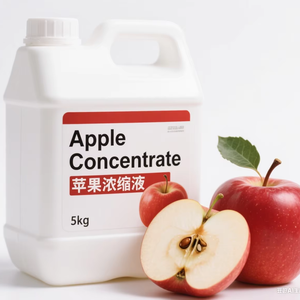
Our in-house R&D laboratoy tailors custom Brix ratios, specific target acid levels, and multi-fruit juice blends (combining blackberry with apple, pear, or secondary berries) to match your precise flavor and cost targets.
From factory-floor loading into aseptic bag-in-box systems to managing ocean freight, marine insurance, and customs documentation, our logistics team simplifies international procurement for stress-free delivery.
Every production batch undergoes strict analytical testing for sugar profiles, organoleptic fidelity, turbidity, heavy metals, and microbiological safety prior to Certificate of Analysis (COA) issuance.
Essential technical and operational clarity for importing China blackberry concentrate into Australian manufacturing facilities.
Our standard export bulk packaging includes 250kg aseptic bags packed inside heavy-duty steel drums (4 drums per pallet) or 25kg aseptic Bag-in-Box pails for smaller batch production. When stored under recommended refrigerated (-18°C frozen for optimal anthocyanin preservation or 0°C to 4°C ambient aseptic), the product carries a verified shelf life of 24 months from the date of manufacture. Detailed thermal storage guidelines are provided with every shipment COA.
China’s primary blackberry cultivation regions in Jiangsu and Shandong utilize elite Rubus varieties cultivated under optimal sunny summer conditions. This produces fruit with exceptional natural sugar accumulation and intense anthocyanin density (absorbance at 520nm > 8.0 at 10°Brix). The taste profile delivers a robust tart-sweet balance that matches or exceeds domestic Australian fruit, making it ideal as a direct replacement or flavor-enhancement component in beverage recipes.
Every shipment to Australia includes a complete customs and quality documentation dossier: 1) Batch-Specific Certificate of Analysis (COA), 2) ChAFTA Certificate of Origin (Form FTA) for 0% preferential tariff entry, 3) Commercial Invoice & Packing List, 4) Non-GMO Declaration, 5) Allergen Statement, and 6) Food Safety Certificates (FSSC 22000, Kosher, Halal). Our documentation complies fully with DAFF and BICON entry protocols.
We provide unmatched ordering flexibility. For pilot trials, R&D formulations, or specialty batch runs, buyers can order as little as one 25kg pail or one 250kg drum via LCL (Less than Container Load) reefer sea freight or air freight. For commercial high-volume production, we supply full 20ft refrigerated container loads (FCL holding approx. 72 to 80 steel drums / ~18-20 Metric Tons).
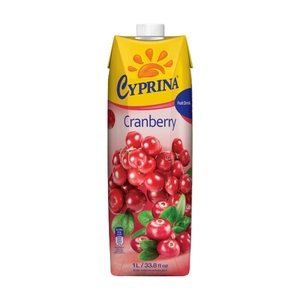
Yes. Our in-house applications laboratory specializes in custom blending. Whether you require a clarified deionized blackberry concentrate (to remove color while retaining fruit solids), a specific Brix-to-acid ratio calibration, or a cost-optimized multi-fruit base (e.g., Blackberry-Apple or Blackberry-Cranberry blend), our technical team formulates and packs to your exact target specifications.
All incoming fresh fruit lots undergo rigorous raw material screening prior to extraction. Our processing lines feature advanced microfiltration and enzymatic clarification stages. Finished concentrate lots are analyzed using High-Performance Liquid Chromatography (HPLC) and Inductively Coupled Plasma Mass Spectrometry (ICP-MS) to ensure pesticide residues and heavy metals remain strictly below the maximum residue limits (MRLs) established under Schedule 20 of the FSANZ Food Standards Code.