
Engineered for beverage blenders, confectioners, and food processors in Japan. Available in aseptic pails, bag-in-box, 200L drums, and bulk totes.
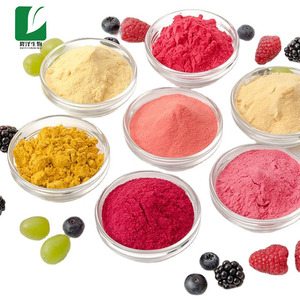
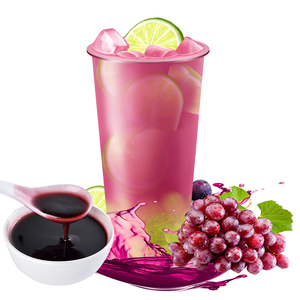
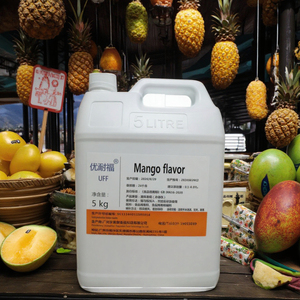
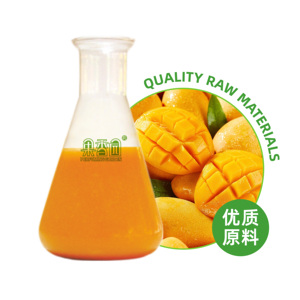
The Chukyo Industrial Area, centered around Nagoya, Aichi Prefecture, stands as Japan's powerhouse of industrial manufacturing, logistics efficiency, and high-precision food technology. Within the regional B2B food sector, food engineers, beverage developers, and commercial procurement teams are undergoing a structural shift toward authentic, minimal-intervention ingredients. Single Strength Purees—frequently referred to as Not-From-Concentrate (NFC) purees—have emerged as the gold standard for high-end food matrices, artisanal RTD beverages, and clean-label bakery formulations.
Unlike standard fruit juice concentrates that undergo thermal vacuum evaporation to reach high Brix levels (often 60° to 68° Brix), single strength purees maintain the raw fruit's natural soluble solids ratio (typically 8° to 15° Brix depending on the cultivar). This non-concentrated approach preserves delicate volatile aromatic compounds, delicate ester structures, cellular pulp matrix integrity, and vivid natural chromatic hues. As a premier global Single Strength Purees Supplier & Exporter serving Nagoya, Greenwood Associates delivers verified, certified fruit pulp ingredients directly to the Port of Nagoya, eliminating regional supply vulnerabilities and supporting rigorous Japanese quality standards.
Combining over half a century of family-owned ingredient heritage with direct cold-chain export logistics to Nagoya's industrial centers.
Precise analytical profiles engineered to meet Japanese Agricultural Standards (JAS) and plant automation requirements.
| Parameter | Single Strength Puree (NFC) | Standard Fruit Concentrate | Industrial Application Impact |
|---|---|---|---|
| Soluble Solids (Brix) | Natural Fruit Level (8.0° - 15.0° Brix) | High Brix (45.0° - 68.0° Brix) | Preserves direct mouthfeel without heavy thermal caramelization notes. |
| Viscosity (Bostwick) | 4.0 - 12.0 cm / 30 sec at 20°C | Variable (Requires reconstitution) | Ensures predictable shear stress in automated filling lines in Nagoya plants. |
| Thermal Processing | HTST / Flash Aseptic Pasteurization | Multi-stage Vacuum Evaporation | Retains heat-sensitive Vitamin C, antioxidants, and aromatic terpenes. |
| Particle Size & Pulp | Intact cellular fibers (0.5mm - 2.0mm) | Clarified or homogenized residual pulp | Provides natural cloudiness, body, and premium pulp-in-drink experience. |
| Color Stability (L*a*b*) | High fidelity to tree-ripened fruit | Subject to browning / Maillard reaction | Crucial for clear bottle presentation and premium confection aesthetics. |
| Packaging Formats | Aseptic Bag-in-Box, Drums, Pails | Drums, Totes, Tankers | Aseptic execution allows ambient storage prior to unsealing. |
Tailored fruit ingredient integrations for Central Japan's food, beverage, and retail manufacturing sectors.
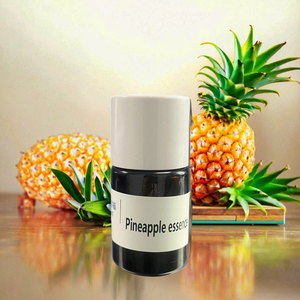
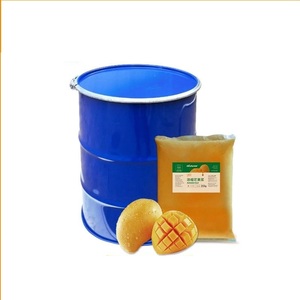
Nagoya and neighboring Mie and Gifu prefectures host major contract bottling lines for RTD teas, chu-hi cocktails, and functional juice shots. Single strength mango, pineapple, and pomelo purees deliver natural turbidity, true fruit flavor, and precise acid-to-sugar ratios without requiring flavor enhancers.
Nagoya's renowned confectionery industry blends traditional Wagashi with Western-style pastry filling. Micro-filtered single strength purees act as natural moisture retainers and flavor cores for fruit jellies (mizuyokan), dorayaki fillings, sponge cake layering, and artisanal fruit tarts.
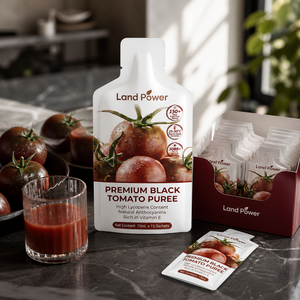
With growing consumer demand across Tokai urban centers for immunity-boosting and anti-aging products, ingredients like freeze-dried noni powder and black tomato puree offer bio-active polyphenols, lycopene, and vitamin C for daily functional wellness sachets and concentrated liquid supplements.
Search intent mining across B2B procurement networks in Aichi Prefecture reveals three dominant driving factors currently influencing ingredient selection:
Japanese consumers are increasingly scrutinizing back-of-pack ingredient statements. Food processors in Nagoya are actively replacing reconstituted fruit syrups containing high-fructose corn syrup (HFCS) with 100% natural, single strength fruit purees. Demonstrating zero added sugars, non-GMO status, and clean processing methods provides a major competitive edge in Japanese retail channels such as convenience store chains and premium supermarkets.
As Japan's premier port for overall cargo throughput, the Port of Nagoya provides a direct conduit for international reefers. Importing aseptic single strength purees directly through Nagoya avoids domestic land transport bottlenecks from Tokyo or Osaka ports, significantly reducing logistics costs, carbon footprints, and transit times for factories located in Toyota City, Komaki, Ichinomiya, and Yokkaichi.
Nagoya's food processing sector is increasingly exporting finished goods across Asia, North America, and the Middle East. Food manufacturers require raw ingredient suppliers to possess global food safety credentials. Greenwood Associates supports local manufacturers by offering full certification transparency, including FSSC 22000, Kosher, and Halal credentials issued by Islamic Services of America (ISA).
Over 50 years of family-owned excellence, cutting-edge laboratory precision, and supply chain reliability.
Every batch of single strength puree undergoes comprehensive analytical evaluation in our state-of-the-art quality laboratory. We test for Brix, pH, titratable acidity, particle size, and microbiological counts (TPC, yeast, mold, E. coli), providing complete Certificates of Analysis (COA) with every shipment to satisfy Japanese QA audits.
Recognizing the need for R&D trials, seasonal pilot batches, and craft production runs, Greenwood Associates offers industry-leading low MOQs. Purchase as little as a single 5-gallon pail or bag-in-box, enabling Nagoya food engineers to innovate without tying up capital in excessive inventory.
Need a customized brix profile, acid balance, or fruit combination? Our blending specialists formulate proprietary fruit bases combining single strength purees, juices, and natural citrus essential oils tailored specifically to your plant’s receiving specifications.
Our dedicated international logistics team manages ocean freight coordination, customs documentation, temperature-controlled container shipping, and import regulatory adherence directly into Nagoya Port, removing complexity from your supply chain.
To ensure seamless integration into automated processing facilities, our technical sales team follows a 4-step ingredient verification protocol:
Review target Brix, pH, viscosity (Bostwick), fiber size, and color parameters against target product formulas.
Dispatch sample pails for lab-scale trials, organoleptic assessment, and shelf-life stability evaluation.
Validate compliance with Japan's Food Sanitation Act, pesticide residue standards, and clear labeling guidelines.
Schedule recurring container shipments or drum allocations directly to Nagoya Port cold storage hubs.
Technical and logistical insights for buyers, quality directors, and product developers.
A single strength puree is processed by mechanically reducing whole ripe fruit into a liquid pulp while retaining the natural water content and soluble solids ratio (typically 8° to 15° Brix). It undergoes flash pasteurization without thermal concentration. A fruit juice concentrate, by contrast, has a significant portion of its natural water removed via vacuum evaporation to reach 60°+ Brix. Single strength purees offer superior sensory fidelity, cellular texture, and natural mouthfeel, making them ideal for premium applications in Japan.
Our single strength purees are packaged in high-barrier aseptic formats including 5-gallon pails, 55-gallon (200L) steel drums with sterile liners, and 220-gallon (1000L) totes. Aseptic processing allows the unopened product to remain shelf-stable under ambient or cool storage conditions during transit. For frozen purees, we utilize continuous reefers maintained at -18°C from our warehouse to Nagoya Port container terminals.
Greenwood Associates operates under strict GFSI-recognized standards. Our facilities and products are supported by FSSC 22000 certification, Kosher certification, and Halal certification issued by the Islamic Services of America (ISA). Complete documentation, heavy metal testing, pesticide residue screenings, and Certificates of Analysis (COA) are provided for every lot.
Yes. Our custom blending department regularly formulates custom fruit purees, adjusting parameters such as seed counts, pulp particle size, acidity (citric acid adjustment), and Brix blending (combining single strength purees with complementary fruit juices) to meet specific manufacturing plant tolerances in Aichi and across Japan.
We pride ourselves on having one of the most flexible MOQ structures in the bulk ingredient industry. While full container loads (FCL) of drums or totes offer the best ocean freight economy, we readily support smaller pilot trials and R&D formulations starting at single 5-gallon pails or bag-in-box units shipped via expedited air or LCL reefer shipping.
Connect directly with our senior ingredient specialists. Get instant pricing, laboratory specification sheets, and sample availability for your plant in Nagoya or Greater Japan.