
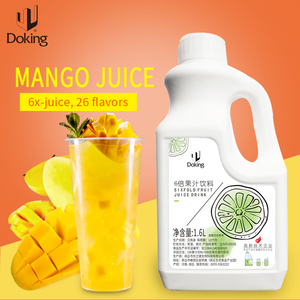
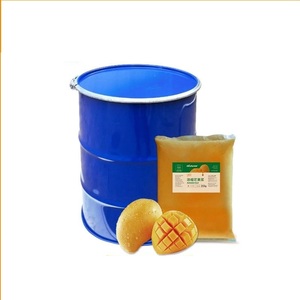
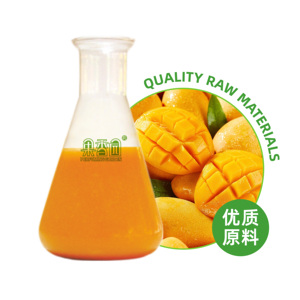
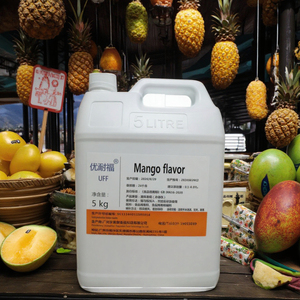
Engineered specifically for beverage bottling plants, dairy processors, and commercial flavor houses operating across Nigeria and West Africa. Browse our core product portfolio:
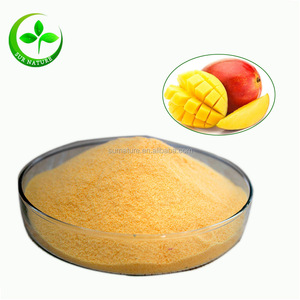

Nigeria’s fast-moving consumer goods (FMCG) and beverage manufacturing sectors represent one of the most dynamic growth markets across Sub-Saharan Africa. Driven by a expanding urban population exceeding 220 million people, changing consumer dietary preferences, and an increasing demand for ready-to-drink (RTD) fruit juices, nectars, and flavored dairy drinks, local food processors face both enormous market potential and complex supply chain hurdles. Key among these challenges is maintaining consistent, year-round raw material availability, stabilizing sensory characteristics against local agricultural seasonality, and securing NAFDAC (National Agency for Food and Drug Administration and Control) regulatory compliance.
While domestic cultivation yields significant quantities of indigenous mango varieties (such as Ogbomoso, Julie, and Peter mangoes), local seasonal gluts are frequently compounded by post-harvest losses exceeding 40% due to infrastructure, storage, and thermal processing constraints. To ensure year-round line uptime, batch-to-batch color stability, exact sugar-to-acid ratios (°Brix/Acidity), and consistent viscosity in high-speed bottling lines (Krones, Tetra Pak, SIG Combibloc), leading Nigerian beverage producers rely on globally standardized, high-clarity or high-viscosity aseptic mango juice concentrates and purees.
As a premier international blender, processor, and global supplier of 100% natural fruit juice concentrates, purees, and citrus essential oils with over half a century of hands-on technical expertise, our organization bridge the gap between global agricultural sourcing and local manufacturing execution. We provide custom-formulated Alphonso, Totapuri, Tommy Atkins, and blended exotic mango bases specifically tailored to survive West African tropical distribution, shelf-life stress tests, and stringent import quality protocols.
The table below provides a side-by-side technical breakdown of our industrial-grade mango concentrate and puree lines engineered for commercial re-constitution, beverage blending, and food formulation in Nigerian factories.
| Parameter / Variant | Totapuri Mango Puree Concentrate | Alphonso Mango Puree Concentrate | Clarified Mango Juice Concentrate | Custom Tropical Mango Blend Base |
|---|---|---|---|---|
| Soluble Solids (°Brix) | 28.0° - 30.0° Brix | 28.0° - 30.0° Brix | 60.0° - 65.0° Brix | 35.0° - 50.0° Brix (Customizable) |
| Acidity (% as Citric Acid) | 0.45% - 0.75% | 0.50% - 0.80% | 1.00% - 2.20% | Adjusted to Client Spec |
| pH Range | 3.60 - 4.20 | 3.70 - 4.20 | 3.20 - 3.80 | 3.50 - 4.00 |
| Pulp / Insoluble Solids | 8% - 15% (At 12° Brix Reconstitution) | 12% - 18% (At 12° Brix Reconstitution) | < 0.5% (High Clarity) | Variable per Formula Target |
| Color Profile | Golden Yellow to Deep Ochre | Vibrant Bright Yellow-Orange | Translucent Light Amber | Rich Golden Mango |
| Processing Method | Thermal Deaeration & Aseptic Flash Pasteurization | High-Barrier Aseptic Cold Fine Mesh Sieving | Enzymatic Depectinization & Ultrafiltration | Custom Shear Homogenized & Aseptic Packed |
| Packaging Options | 215kg Aseptic Bag-in-Drum / Totes | 215kg Aseptic Drum / 20kg Bag-in-Box | 25kg Aseptic Pail / Drums / Flexitanks | 5-Gallon Pails up to 1000L Totes |
| Primary Application | Mass Market Nectars, CSDs, Dairy Drinks | Premium RTD Juices, Baby Foods, Ice Cream | Clear Flavored Teas, Energy Drinks, Syrups | Cost-Optimized Localized Beverages |
Formulating for the Nigerian consumer requires an acute understanding of local taste profiles, heat exposure during logistics, and price elasticity in local markets from Lagos and Ibadan to Kano, Port Harcourt, and Aba. Our mango concentrate solutions are engineered for seamless integration into diverse commercial applications:
In high-volume carbonated soft drink (CSD) lines and still fruit juice carton plants (e.g., 250ml to 1L pack sizes), our Totapuri and Alphonso mango purees provide high natural mouthfeel and cloud stability. Micro-filtered clarified mango concentrates permit carbonation without excessive foaming during bottle filling, preventing line shutdowns in high-speed bottling facilities in Ogun State and Lagos industrial zones.
Nigerian commercial dairies and yogurt producers utilize our thermally processed aseptic mango puree concentrates as fruit pre-preparations. The stable acidity and heat-resistant natural pigments resist browning during pasteurization, creating rich, yellow-orange fruit ribbons or homogeneous flavored drinking yogurts (Kefir/Yoghurt) without destabilizing milk proteins.
Product innovation teams across West Africa are blending classic African botanical extracts (such as Hibiscus sabdariffa / Zobo or Ginger root) with rich fruit bases. Our custom blending service formulates harmonious Hibiscus-Mango and Orange-Mango concentrate bases with built-in acid control, lowering overall formulation costs while delivering authentic, culturally resonant flavor profiles.
Navigating the industrial food ingredient market in Nigeria requires staying ahead of key macroeconomic, regulatory, and consumer behavioral shifts. Key market trends include:
Nigerian consumers are increasingly scrutinizing ingredient labels on packaging, moving away from purely synthetic colorants and artificial flavors toward products containing real fruit juice content. Local regulatory frameworks incentivise manufacturers to declare actual fruit percentage. Utilizing standardized mango puree concentrate allows brand owners to display authentic "Made with Real Fruit" claims while maintaining tight control over unit production economics.
Foreign exchange (FX) fluctuations in Nigeria place immense pressure on procurement managers to optimize landed raw material yields. Purchasing concentrated mango base at 28-30° Brix or clarified juice at 65° Brix significantly lowers per-ton ocean freight expenses compared to single-strength juices. Reconstituting high-Brix concentrate at local factory sites dramatically cuts logistics cost per liter of finished beverage.
Cold-chain logistics across regional distribution networks outside major metropolitan areas can be unpredictable. Food plants require ingredients that remain microbiological and sensorially stable under ambient storage. Our state-of-the-art aseptic filling technology ensures that bag-in-box and drum packaging remain sterile without chemical preservatives, preserving freshness until opened on the production line.
While industrial backward integration programs continue to mature locally, manufacturers bridge technical capacity gaps by leveraging vendor custom blending solutions. By outsourcing initial juice base formulation, acid balancing, and standardized blending to our specialized laboratory, factories reduce raw material inventory SKUs from ten down to one complete liquid compound.
With over 50 years of continuous family ownership, our business is founded on long-term commitment, food safety rigor, and operational flexibility. We operate as a dedicated extension of your procurement and R&D departments:
Our facility operations and international supply lines are fully supported by FSSC 22000 certification, Kosher credentials, and formal Halal certification issued by the Islamic Services of America (ISA). Complete documentation packages—including Certificates of Analysis (COA), heavy metal screens, pesticide residue reports, and allergen statements—are furnished with every shipment for seamless NAFDAC audit clearance.
Every production run undergoes comprehensive testing in our in-house HACCP quality laboratory. We verify soluble solids (°Brix), titratable acidity, pH, Bostwick viscosity, color absorbance, and microbiological standards (total plate count, yeast, mold, pathogens) prior to container release.
We eliminate high barriers to entry by offering some of the lowest Minimum Order Quantities (MOQs) in the global fruit industry—supplying quantities as small as a single 5-gallon pail or 20kg bag-in-box for pilot R&D trials, up to full FCL 20ft/40ft containerloads (drums or flexitanks). Our logistics team manages shipping to Apapa and Tin Can Island ports in Lagos, as well as Port Harcourt.
We provide a comprehensive export documentation package required by NAFDAC and the Nigeria Customs Service. This includes lot-specific Certificates of Analysis (COA), Certificate of Free Sale (CFS), Health/Sanitary Certificates, Phytosanitary Certificates, FSSC 22000 Food Safety System certification, Halal (ISA) certificates, Manufacturer’s Process Flow Diagrams, and complete Packing Lists/Bill of Lading. All documents are issued promptly to prevent demurrage charges at Apapa or Tin Can Island ports.
We accommodate diverse manufacturing scales. For laboratory trials, pilot production, or specialized formulations, MOQs start as low as a single 5-gallon pail or one 20kg aseptic bag-in-box shipped via air freight or LCL. For commercial production, we supply standard palletized 215kg aseptic steel drums (typically 80 drums per 20ft FCL container) or custom aseptic liquid totes/flexitanks to maximize freight cost efficiencies.
Our custom blending department specializes in matching exact client target specifications. If your beverage line requires a precise Brix-to-Acid ratio to maintain taste consistency across different batches, or a specific Bostwick viscosity range to suit high-speed filling machinery, our food scientists will blend, analyze, and lock in your proprietary formulation prior to packaging.
Unopened aseptic bag-in-drum or bag-in-box products can be transported and stored under cool ambient conditions (<25°C) for short transit periods. However, to preserve optimal vibrant golden-orange color, fresh aroma, and prevent natural non-enzymatic browning over extended periods (12 to 24 months), we recommend storing unopened aseptic inventory under refrigerated conditions (4°C to 10°C) or frozen (-18°C for non-aseptic variants).
Yes. Our value-added services include co-packing and re-packaging. If you import bulk totes, flexitanks, or large drums, our automated filling lines can re-pack raw ingredients into customer-specified smaller pails or aseptic bag-in-box formats complete with customized batch labeling, serial barcode tracking, and internal quality verification.
Standard ocean transit time from our North American distribution hubs and processing facilities to Lagos (Apapa/Tin Can Island) ranges between 28 and 42 days depending on shipping line routing and transshipment schedules. Because we maintain substantial ready-to-ship inventory across our warehouse network, order processing and container loading can be completed rapidly upon receipt of confirmed purchase orders and documentation approval.
Accelerate your product development cycle and secure reliable industrial fruit ingredient supplies. Speak directly with our technical sales specialists and food scientists regarding custom blending, NAFDAC documentation support, or direct sample dispatch to your facility in Nigeria.