Discover our certified, standard-compliant raw material concentrates, extracts, and deionized base fruit liquids engineered for global export and northern European food standards.
Across the Danish food and beverage sector—from craft cider producers in Copenhagen to dairy innovators in Jutland—formulators face increasing pressure to eliminate added refined sugars, high-fructose corn syrup (HFCS), and synthetic additives. Denmark's progressive health directives, combined with strictly enforced EU Regulation (EC) No 1333/2008 on food additives, have placed natural fruit-derived carbohydrates at the center of modern product development.
Deionized Juice Concentrate (DJC), primarily derived from high-clarity apple, white grape, or pear juice bases, represents the ultimate technical solution for functional sweetening. By passing single-strength fruit juice through an advanced series of enzymatic clarification, ultrafiltration, and bi-polar ion-exchange resin columns, manufacturers strip away the fruit’s native color pigments, astringent tartaric/malic acids, and distinct fruit aromas. What remains is a pure, neutral liquid carbohydrate solution rich in natural fructose and glucose (typically supplied at 70° Brix).
For Danish procurement officers and R&D managers, utilizing deionized fruit concentrates allows finished products to be legally labeled as "Sweetened with Fruit Concentrates" or "Contains Naturally Occurring Sugars". This avoids consumer pushback associated with traditional sucrose while preserving the exact texture, mouthfeel, water activity, and shelf stability required by commercial food processing plants.
When importing bulk fruit concentrate bases into the Danish market, meeting rigorous quality parameters is mandatory for seamless customs validation via EFSA guidelines and Fødevarestyrelsen (Danish Veterinary and Food Administration) inspections. Below is the technical specification breakdown for our premium Deionized Apple & Grape Concentrates:
| Parameter | Deionized Apple Concentrate (DJAC) | Deionized White Grape Concentrate (DJGC) | Test Methodology |
|---|---|---|---|
| Brix (°Bx at 20°C) | 70.0 ± 1.0 °Bx | 68.0 - 70.0 °Bx | Refractometric (IFU No. 8) |
| Acidity (% as Malic/Tartaric) | < 0.05% (Virtually Acid-Free) | < 0.08% (Virtually Acid-Free) | Titrimetric pH 8.1 (IFU No. 3) |
| Color (Transmittance % at 440nm) | > 95% (Crystal Clear) | > 92% (Water White) | Spectrophotometry (11.5°Bx) |
| Clarity / Turbidity (NTU) | < 2.0 NTU | < 3.0 NTU | Nephelometric Analysis |
| Patulin (µg/kg) | < 10 ppb (Complies with EU Limit) | N/A | HPLC-UV / LC-MS-MS |
| Heavy Metals (Pb, Cd, As) | Compliant with EU Reg 2023/915 | Compliant with EU Reg 2023/915 | ICP-MS Atomic Absorption |
| Pesticide Residues | ND (Below EU MRL Limits) | ND (Below EU MRL Limits) | GC-MS / LC-MS Multi-Screen |
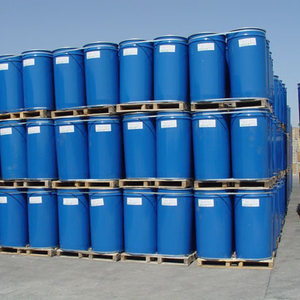
| Packaging Formats | 25kg Aseptic Bag-in-Box, 250kg Drums, 1200kg IBC Totes | 25kg Aseptic Bag-in-Box, 250kg Drums, 1200kg IBC Totes | UN Certified Food-Grade Steel/HDPE |
Combining 50+ years of family-owned processing expertise with modern aseptic packing lines engineered for rapid EU shipping.
Our processing facilities hold active FSSC 22000, Kosher, and ISA Halal credentials. Every batch comes with a detailed Certificate of Analysis (CoA) verified by our in-house HACCP quality laboratory.
Unlike rigid industrial ingredient suppliers requiring multi-ton orders, we support trial batches starting from single 5-gallon pails or aseptic bag-in-box units up to full sea container loads.
Need specific Brix-to-acid ratios, customized pH balancing, or targeted carbohydrate profiles? Our sensory and chemical engineers blend juices, purees, and fruit sweeteners to exact recipe requirements.
Danish consumer preferences favor subtle sweetness, clean labels, natural ingredients, and low environmental impacts. Deionized juice concentrate functions seamlessly across multiple manufacturing sectors in Denmark:
Used extensively in Danish microbreweries and cider houses to boost fermentable gravity without imparting color or unwanted fruit flavors. It allows cider makers to back-sweeten hard ciders, hard seltzers, and low-alcohol beers seamlessly.
Denmark’s premier dairy processors use deionized apple concentrate in fruit preparations for Skyr, yoghurt, and flavoured milk drinks. It serves as a natural binder and sweetener that enhances fruit flavor without adding residual acidity.
Traditional Danish jam (*syltetøj*) manufacturers utilize DJC to replace white refined sugar. It preserves gel strength with pectin while meeting the stringent Nordic Keyhole nutrition labeling criteria for reduced sucrose content.
High-end Danish gummy and chocolate makers leverage 70° Brix deionized grape concentrate to achieve optimal browning control (avoiding Maillard reactions), providing clean sweetness in gummies infused with Nordic botanicals.
Developing products for the Denmark market requires navigating strict regulatory frameworks and shifting consumer dynamics. Key trends shaping procurement include:
We streamline international ingredient procurement, ensuring smooth customs processing and hassle-free logistics directly to your facility in Denmark:
Share target Brix, pH requirements, quantity needed, and packaging preferences with our engineering sales team.
We dispatch 250ml sample flasks with complete Certificate of Analysis (CoA) for benchtop trial validation in your laboratory.
Review audit-ready documentation including FSSC 22000 certificates, heavy metal screens, pesticide lists, and allergen statements.
Aseptic drums or IBC totes are dispatched with full maritime bill of lading and EU import customs clearance support.
Common inquiries from procurement managers and quality control teams in Denmark and the Nordic region.
Standard apple concentrate retains natural malic acid, dark golden-brown polyphenol color compounds, and characteristic apple aromatics. Deionized Apple Juice Concentrate (DJAC) undergoes ion-exchange resin filtration that removes 99% of organic acids, minerals, color compounds, and flavor esters. The result is a neutral 70° Brix liquid sweetener that provides calories and bulk without impacting the final product's appearance or taste profile.
Our concentrates are pasteurized and filled under aseptic conditions into multi-layer aluminum-barrier aseptic bags within steel drums or tote containers. This guarantees a shelf life of up to 24 months when stored at recommended ambient or cold-storage temperatures (0-5°C). Shipping containers are temperature-monitored to prevent thermal degradation during transit across North Sea or Baltic shipping channels.
We provide one of the most flexible ordering structures in the ingredient industry. Danish customers can purchase trial quantities as small as a single 25kg Bag-in-Box or 250kg aseptic drum for R&D formulation, up to full container loads (FCL) of 20 IBC totes (approx. 24,000kg net weight).
Yes. All exported lots strictly adhere to EU Regulation (EC) No 396/2005 regarding Maximum Residue Limits (MRLs) for pesticides, as well as EU Regulation 2023/915 for heavy metals, patulin, and contaminants. Third-party ISO 17025 accredited laboratory testing reports are provided with every batch.
Absolutely. Our state-of-the-art laboratory and blending lines allow us to formulate custom juice bases—combining specific ratios of deionized apple, white grape, or pear concentrates, adjusted to exact Brix levels, acidities, or functional viscosities tailored to your processing machinery.
Under Danish and EU food labeling laws, deionized concentrate is classified as a fruit ingredient rather than an added sugar or artificial additive. Declaring "Deionized Apple Concentrate" allows Danish manufacturers to appeal to health-conscious consumers searching for natural alternatives to sucrose and corn syrup.
Partner with a proven global fruit juice concentrate manufacturer. Our technical sales team is ready to assist your Danish production facility with customized blending, rapid sample dispatch, and competitive contract pricing.