
Standardized Brix, cold-chain ready, and engineered for high-throughput beverage, dairy, and functional food lines in Sydney.
An authoritative breakdown of regulatory standards, supply chain dynamics, and product specification engineering for commercial procurement managers.
Sydney stands as Australia's largest consumer and manufacturing hub for value-added beverages, gourmet food products, and functional nutraceuticals. Across key industrial precincts—ranging from the craft brewing corridor of Marrickville and Botany to the large-scale manufacturing plants in Western Sydney (Wetherill Park, Blacktown, and Erskine Park)—procurement teams face unique operational parameters. Australian beverage brand owners are increasingly moving away from synthetic flavorings toward 100% natural, clean-label fruit concentrates and purees.
However, securing consistent, high-Brix, and microbial-stable fruit ingredients into New South Wales requires navigating strict import protocols governed by the Department of Agriculture, Fisheries and Forestry (DAFF) and the Department of Biosecurity (BICON). Global exporters servicing Sydney must ensure complete traceability, allergen controls, and rigorous phytosanitary compliance to prevent costly customs delays at Port Botany.
Under the Food Standards Australia New Zealand (FSANZ) Code—specifically Standard 2.6.2 (Non-Alcoholic Beverages and Brewed Soft Drinks) and Standard 1.2.7 (Nutrition, Health and Related Claims)—commercial manufacturers must declare exact reconstitution ratios, added sugars, and titratable acidity levels. High-quality bulk juice concentrates function as the structural baseline for ready-to-drink (RTD) teas, seltzers, ciders, and reconstituted juices.
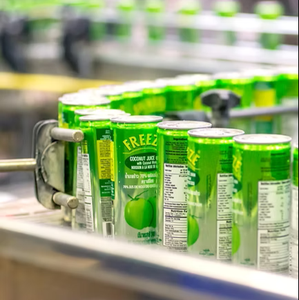
Our global factory network supplies standardized concentrates that preserve native organoleptic profiles while delivering consistent Brix values (e.g., 65°–70° Brix for Berry and Citrus variants). This batch-to-batch predictability simplifies automated dosing systems in high-speed bottling and canning lines across NSW facilities.
Tailored ingredient integration strategies designed for specific manufacturing verticals across Greater Sydney.
Primary Hubs: Marrickville, Brookvale, Sydney Olympic Park.
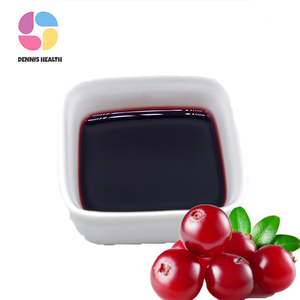
Sydney's booming independent craft breweries and boutique distilleries utilize high-acid, unpreserved concentrates—such as Cranberry and Blueberry concentrates—for natural fruit addition during post-fermentation. This delivers vibrant visual hues, natural astringency, and authentic fruit flavor without introducing fermentable sugars that destabilize canned RTDs.
Technical Note: Formulated for rapid clarification, minimal tank sediment, and sterile aseptic addition.
Primary Hubs: North Shore, Central Coast, Western Sydney Manufacturing.
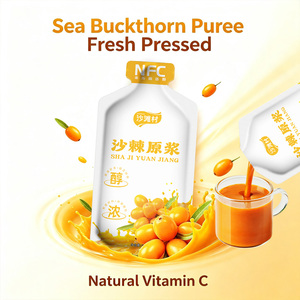
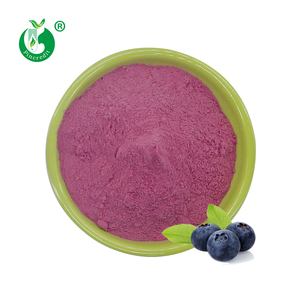
With Sydney consumers driving high demand for immunity-supporting beverages, functional drink formulators leverage high-vitamin C ingredients like NFC Sea Buckthorn Juice and spray-dried berry powders. Rich in naturally occurring antioxidants and organic acids, these ingredients provide a robust base for cold-pressed wellness shots and botanical elixir elixirs.
Technical Note: Maintains thermotolerant bioactives under gentle pasteurization parameters.
Primary Hubs: Outer Western Sydney, Illawarra Food Processing Precincts.
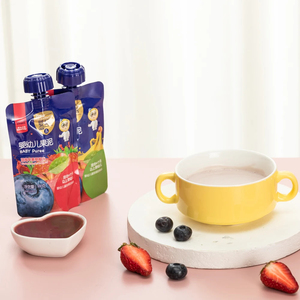
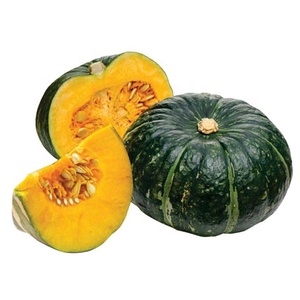
Dairy processors require high-viscosity, low-water-activity fruit bases for fruit-on-the-bottom yogurts, artisan ice creams, and plant-based desserts. Products like Grade A IQF Frozen Pumpkin Puree and concentrated fruit purees ensure consistent syneresis control and color stability throughout extended retail shelf lives.
Technical Note: Pectin-compatible viscosity profiles engineered for mechanical pumpability.
Primary Hubs: Alexandria, Silverwater, Eastern Suburbs R&D Labs.
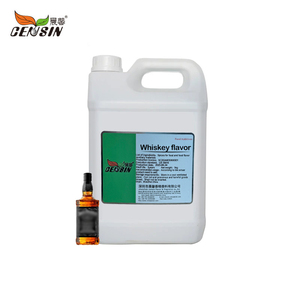
Sydney flavor formulators and contract chemical blenders utilize terpene-rich natural extracts such as Bulk Limonene Citrus Extracts and concentrated spirit top-notes. These pure raw materials serve as clean-label essential building blocks for natural food flavorings, botanical aroma fractions, and eco-friendly processing solvents.
Technical Note: Fully characterized volatile fractions backed by GC-MS analysis certificates.
Evaluate key technical parameters between Concentrates, NFC (Not-From-Concentrate), Purees, and Powders to optimize your processing line.
| Format Category | Typical Brix Range | Storage & Transport Spec | Freight Efficiency to Sydney | Ideal Manufacturing Usage |
|---|---|---|---|---|
| High-Brix Concentrates | 65.0° – 70.0° Brix | Ambient or Frozen (-18°C) | Maximum (5:1 to 7:1 water reduction) | High-volume beverage reconstitution, soft drinks, ciders, sauces. |
| NFC Single-Strength Juices | 8.0° – 14.0° Brix | Chilled (2°C - 4°C) / Aseptic Ambient | Standard (1:1 direct liquid load) | Premium clean-label juices, cold-pressed shots, craft beers. |
| Single-Strength & Concentrated Purees | 10.0° – 32.0° Brix | Aseptic Bag-in-Box / IQF Drums | Moderate to High | Dairy toppings, smoothie bases, bakery fillings, fruit purees. |
| Spray-Dried Fruit Powders | Moisture < 5.0% | Cool, Dry Ambient (< 20°C) | Ultra-High (Zero water weight) | Dry mix sachets, nutraceutical capsules, confectionery dusting. |
Combining half a century of North American fruit processing heritage with agile export logistics to Australia.
Every lot produced across our international facilities operates under strict GFSI-recognized FSSC 22000 schemes. Full Kosher certification and ISA Halal credentials are readily available to satisfy diverse Australian demographic market requirements.
In addition to single-variety fruit juices, our laboratory team formulates custom signature fruit blends, adjusting acidity, Brix, color intensity, and viscosity to meet precise client target profiles for proprietary Sydney retail lines.
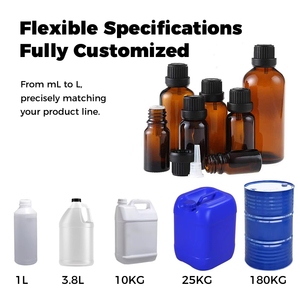
We solve R&D and pilot trial friction by offering industry-leading low minimum order quantities. Sourcing options range from single 5-gallon pails and sterile bag-in-box systems to 200L drums and 1000L aseptic totes.
Every single batch exported to Sydney undergoes comprehensive analytical testing in our state-of-the-art laboratory. COAs (Certificates of Analysis) verify Brix, pH, acidity, microbiology, and heavy metals prior to container sealing.
Navigating global shipping routes into Port Botany requires disciplined freight coordination. We handle full container load (FCL) reefer booking, temperature logging, export clearance documentation, and customs coordination.
Backed by over half a century of uninterrupted industry leadership, Greenwood Associates provides Sydney buyers with unparalleled supply chain stability, insulating your factory against domestic crop failures and market volatility.
Addressing critical biosecurity, logistical, and technical queries for Australian commercial fruit ingredient buyers.
Request technical specification sheets, certificates of analysis, or custom formulation samples for your Sydney manufacturing plant today.
Send an Inquiry