Standardized high-purity concentrates, instant spray-dried powders, and aseptic purees packed specifically to retain flavor profile and bioactive potency during tropical maritime logistics to Ghana.
A definitive technical guide for procurement directors, food scientists, and beverage brand managers operating across Greater Accra, Ashanti (Kumasi), and Western Ghana.
Shipping bulk liquid fruit juice across international maritime corridors to the Port of Tema or Takoradi presents high freight overhead if reconstitutable water mass is transported unnecessarily. Leading Chinese fruit processors utilize multi-stage vacuum evaporation techniques operating at reduced temperatures (below 60°C) to yield concentrates up to 65° to 70° Brix.
By extracting pure water content while safeguarding natural sensory profiles, thermosensitive polyphenols, and essential vitamin activity, Ghanaian manufacturers achieve a 4:1 to 7:1 reduction in ocean freight volume. This yields substantial landed-cost efficiency per finished liter of reconstituted RTD juice or functional syrup.
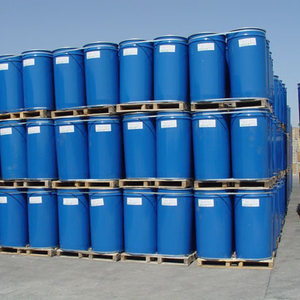
West Africa's ambient temperatures frequently exceed 32°C with high relative humidity, creating severe micro-perforation and enzymatic browning risks for standard liquid packaging. China’s premier manufacturing plants implement multi-layer aluminum-foil aseptic bag-in-box and 200L aseptic steel drum barrier systems.
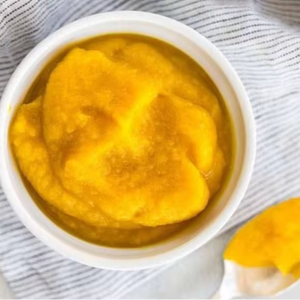
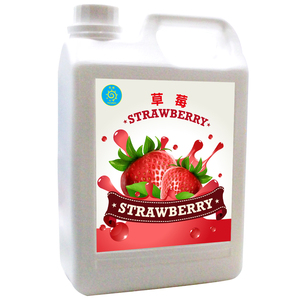
Products such as apricot puree concentrate, strawberry crushed concentrated juice, and IQF pumpkin puree are flash-pasteurized (UHT) and filled under cleanroom conditions. This guarantees complete sterility, color retention, and chemical stability for up to 24 months without synthetic chemical preservatives like sodium benzoate.
Understanding shifting consumer preferences across urban centers enables manufacturers to formulate market-winning products.
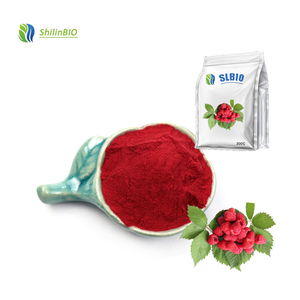
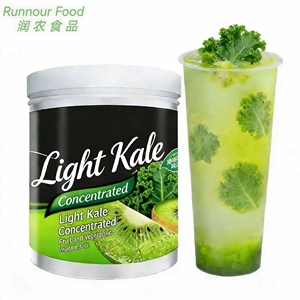
Post-pandemic health awareness in Ghana has triggered strong demand for immune-fortified beverages. Modern consumers actively seek out low-fat drinks enriched with dietary fibers, antioxidants, and digestive health benefits. Ingredients like Organic Kale Juice Concentrate and High-Purity Red Raspberry Powder provide formulation flexibility for high-margin wellness shots and fortified fruit nectars.
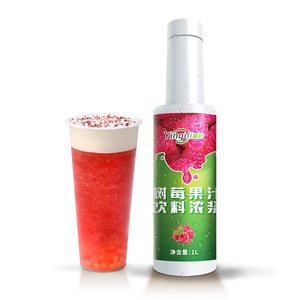
Accra and Kumasi have experienced an unprecedented boom in commercial tea shops, juice bars, and quick-service restaurant (QSR) outlets. Commercial clients require consistent, stable ingredients like Yingdi Raspberry Fruit Juice Syrup Concentrate and crushed fruit preparations to create authentic flavored teas, Boba beverages, and specialty mocktails without relying on highly perishable fresh fruit supply chains.
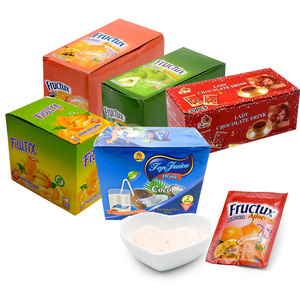
Price sensitivity remains a critical market driver in regional retail distribution. Instant fruit juice powders—such as instant pineapple powders and versatile raspberry fruit powders—enable local dry-blenders to produce economical pouch drinks. Reconstituted instantly in cold water, these products deliver refreshing fruit flavor at an accessible price point for mass-market consumers.
How Chinese fruit concentrates and purees integrate into standard food, beverage, and pharmaceutical production lines across West Africa.
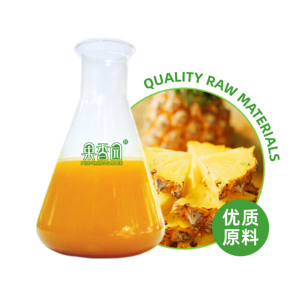
Recommended Ingredients: 100% High Purity Pineapple Juice Concentrate, Strawberry Crushed Concentrated Juice, Apricot Puree Concentrate.
Manufacturing Process: In high-throughput bottling facilities in Tema Industrial Zone, high-Brix concentrates are blended with purified reverse-osmosis (RO) water, natural citric acid, and vitamins in stainless steel mixing tanks (SS316). The high native pectin content in our apricot puree concentrate delivers a smooth, full-bodied mouthfeel in fruit nectars without requiring synthetic hydrocolloids. Products undergo flash pasteurization at 92°C for 30 seconds prior to hot-filling into PET or glass bottles.
Recommended Ingredients: High Quality Raspberry Juice Concentrate Powder, Pure Organic Lightweight Kale Juice Concentrate Powder.
Manufacturing Process: Pharmaceutical and nutraceutical blenders in Accra combine micro-filtered, spray-dried fruit and botanical powders with dietary fiber carriers (such as acacia gum or resistant dextrin). Due to ultra-low moisture levels (<4.0%) achieved through advanced spray-drying towers in China, these powders resist caking in high-humidity packaging environments. Packaged into barrier foil sachets, they yield shelf-stable green superfood drinks and antioxidant immunity supplements.
Recommended Ingredients: Wholesale IQF Frozen Vegetable Pumpkin Puree, Strawberry Crushed Concentrated Juice.
Manufacturing Process: For commercial bakeries and dairy processing facilities, frozen purees and crushed fruit concentrates provide natural color, sweet aroma, and authentic fruit pulp textures. Pumpkin puree serves as a nutrient-dense, fiber-rich base in functional baked goods and fortified infant cereals, while crushed strawberry concentrate is added to batch pasteurizers for fruit-on-the-bottom yogurts and ice cream toppings.
Comparative analysis of physical parameters, storage specifications, and freight efficiency to guide purchasing decisions.
| Ingredient Format | Typical Brix Range | Recommended Storage | Container Packaging | Ghana Freight Suitability |
|---|---|---|---|---|
| High-Brix Clear Concentrate | 65.0° - 70.0° Brix | 0°C to +4°C (Chilled) / Ambient | 200L Aseptic Steel Drum / 25kg Bag-in-Box | Optimal (Maximum Freight Savings) |
| Aseptic Single-Strength Puree | 10.0° - 14.0° Brix | Ambient (<25°C Cool Dry Place) | 215kg Aseptic Drum / 20kg Bag-in-Box | High (No Cold Chain Required in Transit) |
| Spray-Dried Fruit Powder | Moisture < 4.5% | Ambient (<30°C Dry Sealed) | 10kg / 25kg Moisture-Proof Foil Bag in Drum | Excellent (Lightweight & Non-Perishable) |
| IQF Frozen Puree / Whole Fruit | Natural Fruit Brix | Deep Frozen (-18°C) | 10kg Carton / 200kg Drum | Requires Dedicated Reefers to Port of Tema |
| Flavored Beverage Syrups | 50.0° - 60.0° Brix | Ambient (<28°C) | 1L/2.5L PET Bottle / 20L Pail | Ideal for Direct Commercial Food Service |
Combining global food safety standards with tailored R&D support, flexible order volumes, and custom blending expertise.
Every lot manufactured in our state-of-the-art facilities is backed by globally recognized quality management systems. Our production lines carry certified compliance for FSSC 22000, Kosher, and Halal (Islamic Services of America - ISA) certification, ensuring seamless clearance through the Food and Drugs Authority (FDA) Ghana and Ghana Standards Authority (GSA).
Our in-house R&D application laboratory works directly with customer formulation teams. We blend specific fruit juices, natural purees, sweeteners, natural acidity adjusters, and functional botanical extracts to match your target flavor, color, and Brix specifications, delivering ready-to-use bases directly to your mixing vessels.
Every production batch undergoes comprehensive quality control testing prior to dispatch. Our analytical laboratory inspects microbiological parameters (TPC, Yeast & Mold, E. coli), physical metrics (Brix, Acid, Ratio, Turbidity), and heavy metal/pesticide residue compliance, issuing a Certificate of Analysis (COA) with every container shipment.
To support product development, market testing, and seasonal SKUs for growing Ghanaian beverage brands, we offer ultra-flexible purchasing options. Select inventory items can be ordered in quantities as small as a single 5-gallon pail or 20kg aseptic bag-in-box, eliminating high inventory risk for pilot runs.
Our dedicated export logistics coordinators handle sea-freight booking, container loading, heat-treated palletization, and customs documentation (Bill of Lading, COA, Phytosanitary Certificate, Certificate of Origin). We ensure smooth customs clearing through West African ports with minimal transit delays.
We provide full co-packing and private label services. Whether you require liquid concentrates re-packed into customized food-service pails or bulk raw materials processed into retail-ready packaging, our automated filling lines deliver tailored formats designed for your market.
Clear answers regarding regulatory compliance, container shipping times, payment terms, and technical specifications.
Contact our technical export specialists today to request technical data sheets (TDS), safety data sheets (MSDS), factory direct price quotes, and complimentary ingredient samples for your factory evaluation in Ghana.