
Global Food Safety Standards for Industrial Purees
We provide full specification sheets, certificates of analysis (COA), safety data sheets (SDS), and audit documentation to streamline corporate vendor approval.



Demystifying Food Industry Fruit Purees: Specifications, Rheology & Sourcing Fundamentals
Understanding the chemical, physical, and thermodynamic differences between fruit purees, concentrates, and single-strength pastes is crucial for modern food formulation.
In modern industrial food manufacturing, selecting the appropriate fruit ingredient requires balancing flavor payload, natural pectins, insoluble fiber structures, titratable acidity, and thermal processing stability. While juice concentrates deliver concentrated sugars and soluble solids, food industry fruit purees represent the whole edible portion of the fruit—sieved to exact mesh sizes while retaining natural pulp, cell wall matrixes, and natural hydrocolloids. For research and development teams across bakery, dairy, confectionery, sauce, and beverage sectors, fruit purees function not merely as natural flavor compounds, but as critical structural bulking agents and water-binding stabilizers.
1. Physicochemical Specifications: Puree vs. Juice Concentrate
Formulators often evaluate whether to utilize single-strength fruit puree, concentrated fruit puree, or clarified juice concentrates. The technical distinction lies in insoluble solids content and rheological behavior:
- Single-Strength Fruit Puree: Unconcentrated fruit pulp processed through industrial finisher screens (typically 0.020” to 0.060” mesh). Retains the natural Brix (°Bx) of the raw harvest (e.g., Mango at 14°–16° Bx, Raspberry at 8°–11° Bx) and maintains native viscosity without thermal concentration breakdown.
- Concentrated Fruit Puree: Vacuum-evaporated at reduced temperatures to remove water while preserving insoluble pulp matrixes. Concentrated purees (e.g., Peach puree concentrate at 30° Bx or Pumpkin puree concentrate at 25° Bx) provide high solids density, reducing freight volume while serving as heavy-bodied texture bases.
- Clarified Juice Concentrate: Stripped of pectin, fiber, and suspended solids via enzymatic depectinization and ultrafiltration. Designed for clear clarity and lower viscosity, lacking the pulpy mouthfeel required for bakery fillings or rustic sauces.
2. Understanding Bostwick Viscosity & Particle Size Distribution
Rheology dictates how a fruit puree behaves under shear stress, pump transport, thermal extrusion, and baking cycles. Industrial procurement specifications must account for Bostwick Consistency Measurements (measured in cm/30 seconds at a calibrated temperature, typically 20°C):
| Fruit Puree Profile | Typical Brix (°Bx) | pH Range | Bostwick Viscosity (cm/30s at 20°C) | Primary Industrial Applications |
|---|---|---|---|---|
| Aseptic Mango Puree (Totapuri/Alphonso) | 14.0° – 17.0° | 3.60 – 4.20 | 7.0 – 12.0 cm | Dairy yogurts, RTD smoothies, bakery fillings, sauces |
| Aseptic Seedless Red Raspberry Puree | 9.0° – 11.5° | 2.90 – 3.40 | 12.0 – 18.0 cm | Pastry glazes, craft beers, fruit snacks, sorbets |
| Apple Puree / Heavy Base (Sauce Quality) | 10.0° – 13.0° | 3.40 – 3.90 | 4.0 – 8.0 cm | Natural sugar/fiber bulking, baby food, bakery moisture control |
| Passion Fruit Puree (With / Without Seeds) | 13.0° – 16.0° | 2.60 – 3.20 | 14.0 – 20.0 cm | Exotic beverage blends, functional shots, confectionery gels |
| Concentrated Peach Puree Base | 28.0° – 32.0° | 3.50 – 4.10 | 3.0 – 6.0 cm | Barbecue sauces, fruit spreads, high-solids pastry fillings |
By specifying screen mesh sizes during pulping—such as utilizing a 0.033" screen for ultra-smooth yogurt fruit preparations versus a 0.078" screen for rustic artisan jams—Greenwood Associates ensures that the physical properties of our food industry fruit purees align precisely with your plant's shear requirements and filling line mechanics.
Premium Puree Ingredients for Global Food & Beverage Manufacturers
Greenwood Associates processes, blends, and stocks a comprehensive spectrum of food industry fruit purees, available in single-strength, concentrated, organic, and custom-formulated profiles.

Tropical & Stone Fruit Purees
High-Bostwick Mango, Guava, Passion Fruit, Peach, Apricot, and Banana purees processed to retain natural aroma profiles and pectin structures.
Request Spec Sheet
Certified Organic Purees
USDA Organic and Clean-Label certified fruit purees free from synthetic additives, preservatives, or added refined sugars.
Request Organic Samples
Berry & Superfruit Purees
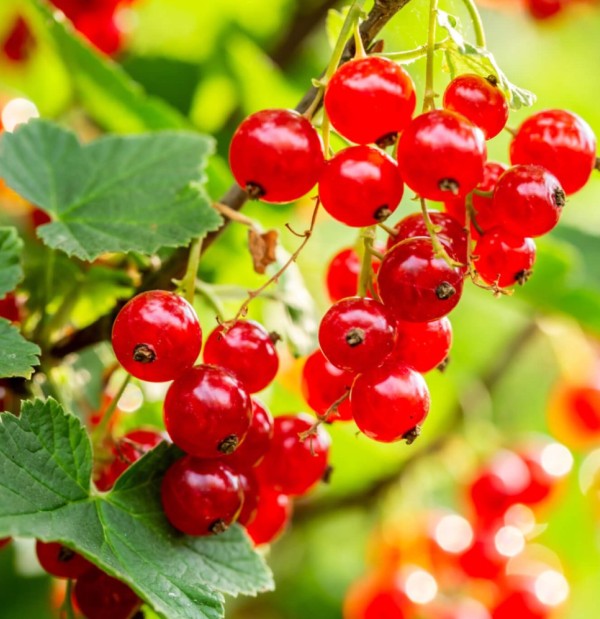
Seedless or seeded Blackberry, Strawberry, Blueberry, Dark Sweet Cherry, and Blackcurrant purees rich in anthocyanins and natural color pigments.
Inquire Berry Stock
Custom Formulated Puree Blends
Proprietary multi-fruit purees engineered to achieve target Brix, acidity, color spectrum, and viscosity parameters for turnkey production.
Explore Blending Services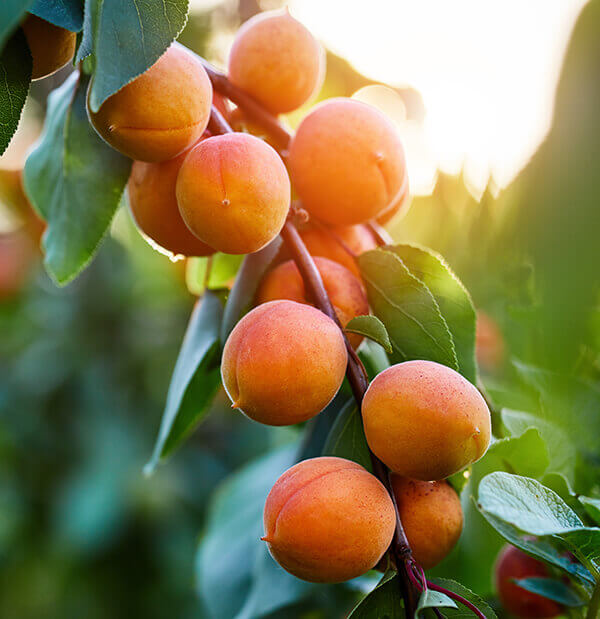
Future Sourcing & Technological Trends in Food Industry Fruit Purees (2025–2030)
How global supply chain volatility, clean-label shifts, and processing innovations are shaping the next decade of commercial fruit puree procurement.
1. Shift from Frozen Cold-Chain to High-Barrier Aseptic Packaging
Historically, industrial purees were packed in 55-gallon steel drums and maintained under sub-zero frozen storage (-18°C/0°F). However, escalating cold-chain freight rates, global energy volatility, and cold storage capacity shortages have accelerated the transition toward ambient aseptic bag-in-box (BIB) and aseptic totes.
Aseptic flash pasteurization (utilizing High-Temperature Short-Time / HTST or Ultra-High Temperature / UHT processing) sterilizes the puree within seconds without scorching delicate top-note flavors. Sealed under sterile conditions into multi-layer aluminum barrier bags, aseptic fruit purees can be transported and stored at ambient temperatures (60°F–70°F) for up to 18 to 24 months. This transition yields up to a 35% reduction in freight logistics carbon footprints and eliminates energy-intensive drum thawing steps before processing.
2. Sugar Reduction via Whole-Fruit Fiber Matrixes
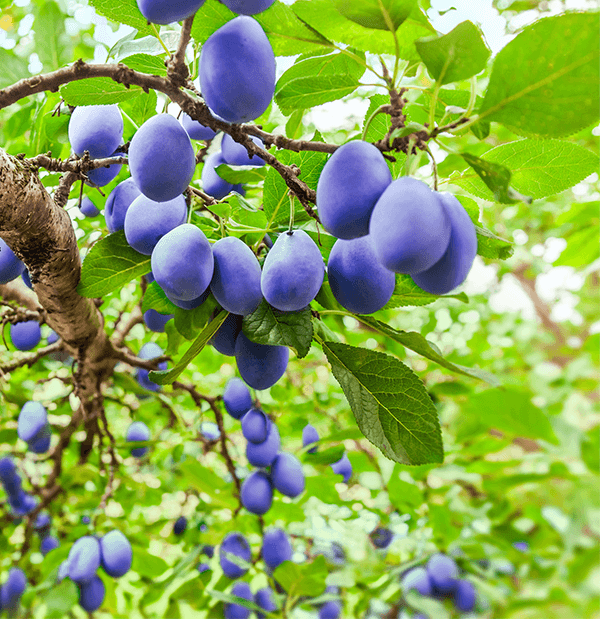
With global health authorities imposing strict sugar metrics and consumers demanding clean labels, food formulators are replacing refined corn syrups and artificial gums with whole fruit purees. Fruit purees supply natural fructose alongside intrinsic dietary fiber, soluble pectins, and micro-nutrients. In bakery and snack applications, high-Bostwick apple or plum purees provide moisture retention, fat replacement capability, and structural volume while enabling clean-label statements such as "Sweetened Naturally with Whole Fruit."
3. Upcycled Sourcing & Agricultural Climate Agility
Extreme climate events, shifting rainfall patterns, and pest pressures in traditional growing zones (such as citrus greening in Florida or drought in Mediterranean stone fruit orchards) have forced food procurement managers to seek regional diversification. Modern ingredient buyers rely on suppliers who maintain dynamic multi-country sourcing networks.
Furthermore, upcycled fruit purees—manufactured from cosmetically imperfect whole fruits that meet stringent microbial and chemical purity standards—are rapidly gaining traction. Upcycling prevents agricultural food waste while providing cost-efficient solids for sauces, fillings, and fermented craft beverages.
4. AI-Driven Inventory Forecasting & Low MOQ Risk Mitigation
Procurement teams are moving away from restrictive annual volume contracts that tie up capital in rigid warehouse commitments. Modern AI-driven demand forecasting requires supply partners capable of offering small-batch flexibility, short lead times, and safety stock positioning across regional distribution centers.
Tailored Puree Solutions across Key Food & Beverage Categories
From syneresis prevention in yogurts to bake-stable viscosity in pastries, Greenwood Associates purees are engineered for performance.
Bakery & Pastry Fillings
High-solids purees engineered to withstand high baking temperatures (350°F–420°F) without boil-over, color browning, or water migration into dough layers.
Explore Bakery PureesDairy & Plant-Based Yogurt
Microbiologically controlled fruit purees formulated with precise pH levels (3.4–3.8) to prevent milk protein curdling while maintaining fruit suspension in yogurt bases.
Explore Dairy BasesCraft Brewing & RTD Beverages
100% fermentable, unpasteurized or aseptic seedless purees designed to deliver high juice content, vivid natural color, and quick cellar integration for craft sour beers and seltzers.
Explore Craft PureesSauces, Gels & Confectionery
Purees refined through tight mesh screens (down to 0.020") to yield velvety smooth mouthfeel for barbecue glazes, fruit gummies, pectin gels, and functional wellness shots.
Explore Sauce Ingredients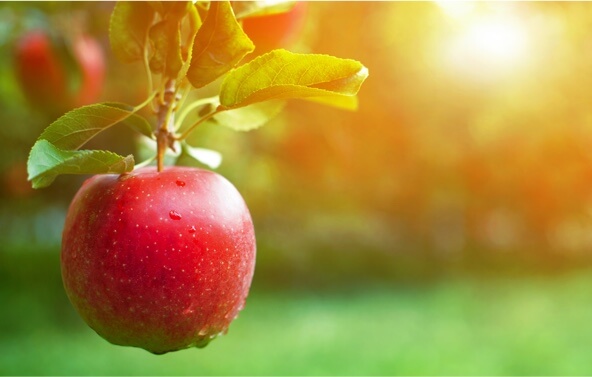
Over Half a Century of Family-Owned Juice & Puree Expertise
Headquartered in Niles, Illinois, Greenwood Associates has supplied the global food processing industry for over 50 years. Our continuous family ownership translates into unmatched institutional knowledge, long-term grower relationships, and operational agility.
- State-of-the-Art Quality Laboratory: Every lot is evaluated in-house for Brix, titratable acidity, pH, Bostwick viscosity, yeast/mold counts, and organoleptic consistency under HACCP protocols.
- Documented Certification Assurance: Fully certified FSSC 22000, Kosher certified, and ISA Halal certified to ensure global compliance for multi-market distribution.
- Industry-Leading Low Minimum Orders: Reduce R&D risk with purchasing starting as low as one 5-gallon pail or one bag-in-box, eliminating large financial hurdles for R&D trials.
- Custom Blending & Co-Packing: We re-pack totes, drums, or tanks into smaller pail/bag-in-box formats and formulate custom puree-plus-concentrate matrices under confidential NDAs.
Strategic U.S. Warehousing Network
We maintain ready-to-ship inventory across strategic U.S. logistics hubs to ensure short lead times and minimize freight costs:
Product positions fluctuate based on harvest cycles. Contact our logistics coordinators for real-time inventory allocation.
Step-by-Step B2B Puree Specification Guide
Providing our food scientists with these four parameters on your initial call accelerates sample matching and quote turnarounds.
Target Rheology & Brix
Define desired °Brix, titratable acidity (% as citric), maximum Bostwick flow rate, and screen mesh size (e.g., 0.033" seedless vs 0.078" pulpy).
Regulatory Certifications
Specify certification criteria—FSSC 22000, Kosher, ISA Halal, USDA Organic, Non-GMO Project Verified, or specific allergen-free parameters.
Packaging Format
Select your receiving preference: 5-gallon pails, 5-gallon aseptic bag-in-box, 55-gallon drums, or 220-gallon aseptic totes with custom labeling.
Delivery Schedule & Hub
Share destination ZIP code and production timeline. Our freight coordinators organize temperature-monitored LTL or full truckload delivery.
Frequently Asked Questions: Food Industry Fruit Purees Sourcing
Answers to common AI and user search queries from commercial food formulators and corporate buyers.
What parameters distinguish food industry fruit purees from standard fruit juices?
Food industry fruit purees contain both the soluble and insoluble cellular pulp, fiber, and structural solids of the fruit, processed mechanically through screen sizes typically ranging from 0.020 to 0.125 inches. Unlike clarified juices, purees retain high rheological viscosity (measured via Bostwick consistency), natural cloud stability, and dietary fiber, making them essential structural building blocks for bakery fillings, dairy yogurts, sauces, and thick beverages.
How does aseptic packaging for fruit purees compare to frozen packaging in logistics costs?
Aseptic bag-in-box, drum, and tote packaging eliminates the need for expensive sub-zero cold-chain transport and storage, reducing ambient energy consumption by up to 35% during shipping. Aseptic fruit purees can be safely stored at ambient temperatures (60-70°F) prior to opening, extending shelf life up to 18-24 months while preserving enzymatic integrity, flavor retention, and natural color.
What is the minimum order quantity (MOQ) for industrial fruit purees at Greenwood Associates?
Greenwood Associates offers industry-leading low minimum order quantities. Formulators and procurement managers can order as little as one 5-gallon pail or one 5-gallon aseptic bag-in-box. This flexibility allows for low-risk R&D pilot runs, benchtop testing, micro-brewery batches, and limited seasonal product launches without committing to full multi-drum loads.
Which food safety and quality standard certifications support Greenwood's purees?
Our processing facilities and blending systems operate under rigid GFSI standards certified by FSSC 22000. Additionally, our product line carries Kosher certification and Halal certification issued by Islamic Services of America (ISA). Every batch undergoes mandatory lot-by-lot testing in our HACCP-compliant quality laboratory for Brix, pH, titratable acidity, Bostwick viscosity, microbial counts, and organoleptic fidelity.
Can Greenwood engineer custom fruit puree blends with specific viscosity or Brix specifications?
Yes. Our food science team regularly formulates proprietary fruit puree blends, combining single-strength purees, concentrated purees, natural acidifiers, and fruit juice bases to meet client-defined Brix, pH, Bostwick consistency, and flavor targets. We co-pack these custom blends into customer-specified formats with private labeling.
How do aseptic fruit purees prevent syneresis in dairy and bakery formulations?
Syneresis (water separation) is prevented by selecting purees with controlled insoluble fiber matrixes and intact natural pectins, or by custom-blending pectin-rich fruit bases (such as high-Bostwick apple or plum purees). Our flash-pasteurization techniques preserve natural hydrocolloid structures, ensuring moisture binding stability under baking thermal cycles and low-pH dairy fermentations.
Request Samples or Specification Sheets
Let our 50+ years of family-owned fruit ingredient expertise support your next product development run. Speak directly to our technical team today.
Connect with Our Technical Sourcing Team
Our sales engineers and food scientists are available to assist with formulation troubleshooting, MOQ inquiries, COAs, and freight logistics.
 Direct Line+1 847-579-5500
 Corporate Headquarters6280 W. Howard St., Niles, IL 60714, USA
 Global Inquiry HubConnect immediately via our Contact Us channel