
Certified Standards for Enterprise Procurement
We supply validated, fully documented fruit ingredients so R&D chemists, procurement officers, and QA directors can fast-track commercial launches.



Currant Juice Concentrate: Technical Overview & Market Dynamics
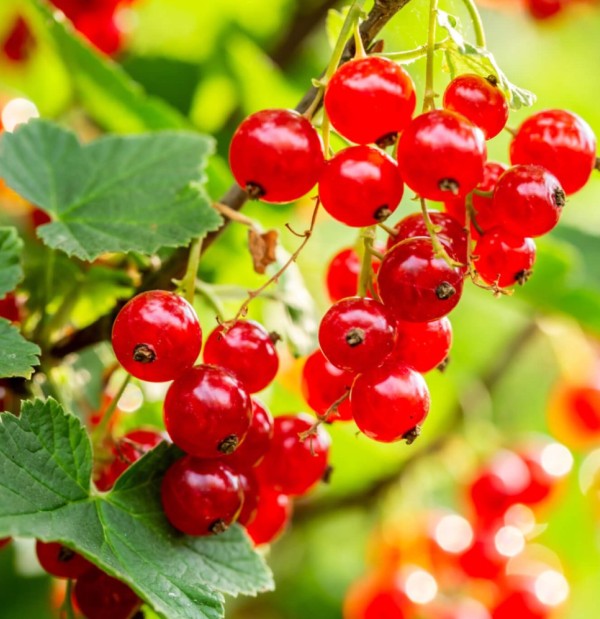
Currant Juice Concentrate—derived primarily from European black currants (Ribes nigrum) and red currants (Ribes rubrum)—represents one of the most functionally powerful, acid-dense, and pigment-rich fruit concentrates in modern food science.
For industrial food and beverage manufacturers, procuring high-grade bulk Currant Juice Concentrate is no longer just about securing a distinct berry flavor. It is a strategic move to leverage natural anthocyanin compounds, replace synthetic red/purple colorants (such as Red 40), enhance antioxidant claims, and deliver an authentic tart organoleptic profile that balances complex sugar matrices in low-pH formulations.
At Greenwood Associates, our family-owned enterprise brings over half a century of hands-on juice processing experience. Headquartered in Niles, Illinois, we supply 100% natural, non-GMO Currant Juice Concentrates engineered to meet stringent physical, chemical, and microbiological specifications required by global procurement and R&D teams.
Currant Juice Concentrate Formulations & Specifications
Our specialized processing methods remove water under low-temperature vacuum evaporation, preserving heat-sensitive polyphenols, aromatic volatile compounds, and natural acids while delivering standard 65° Brix concentration.
Clarified Black Currant Juice Concentrate
Depectinized and double-filtered under ultrafiltration technology to yield a crystal-clear, deep burgundy-red liquid. Free from cloud-causing pectins, this product is ideal for RTD transparent beverages, hard seltzers, craft ciders, and high-clarity jellies.
- Brix Level: 65.0° ± 1.0° Brix
- Acidity: 9.0% – 15.0% w/w (as Citric Acid)
- Clarity: High (NTU < 10 at 12° Brix dilution)
Unclarified / Cloudy Black Currant Concentrate
Retains naturally occurring fruit pulp solids and insoluble fiber fragments. Delivers an intense, full-bodied mouthfeel, robust astringency, and rich dark-violet hue. Preferred by jam producers, fruit preparation suppliers for yogurt, and smoothie manufacturers.
- Brix Level: 65.0° ± 1.0° Brix
- Acidity: 10.0% – 16.0% w/w (as Citric Acid)
- Pulp Content: 2.0% – 6.0% settling solids
Red Currant Juice Concentrate
Delivers a bright, translucent ruby-red shade accompanied by a crisp, sharp malic-citric tartness. Highly valued for tart flavor balancing in confectioneries, fruit chews, fruit-flavored craft beers, and savory sauce reduction bases.
- Brix Level: 65.0° ± 1.0° Brix
- Acidity: 11.0% – 18.0% w/w (as Citric Acid)
- Color Value: Bright Ruby Red (Absorbance at 520nm)
Industrial Analytical Specifications Matrix
Below is our standard reference specification for industrial procurement. Custom Brix levels, acidity adjustments, and pulp levels can be engineered upon request through our custom blending division.
| Parameter | Clarified Black Currant 65° Brix | Red Currant Concentrate 65° Brix | Testing Method / Standards |
|---|---|---|---|
| Brix (Refractometric) | 65.0° ± 1.0° Brix at 20°C | 65.0° ± 1.0° Brix at 20°C | ICUMSA GS4/3-13 (20°C refractometer) |
| Titratable Acidity (% w/w) | 9.0% – 15.0% (as Anhydrous Citric) | 11.0% – 18.0% (as Anhydrous Citric) | Potentiometric Titration to pH 8.1 |
| pH (at 11.6° Brix reconstitution) | 2.50 – 3.20 | 2.40 – 3.00 | Standard Digital pH Meter at 20°C |
| Color Absorbance (E1% 520nm) | > 25.0 (Vibrant Dark Violet/Purple) | > 18.0 (Bright Ruby Red) | Spectrophotometric Scan (1cm cell) |
| Turbidity (NTU at 12° Brix) | < 10 NTU (Ultra-filtered) | < 15 NTU (Filtered) | Hach Nephelometer |
| Microbiological Parameters | TPC < 1000 cfu/g; Yeast/Mold < 100 cfu/g | TPC < 1000 cfu/g; Yeast/Mold < 100 cfu/g | Standard Plate Count / AOAC Protocols |
| Pathogens & TAB | Negative for E. coli, Salmonella, TAB/Alicyclobacillus | Negative for E. coli, Salmonella, TAB/Alicyclobacillus | PCR & Specialized Culture Enrichment |
| Shelf Life & Storage | 24 Months at Frozen (-18°C / 0°F) | 24 Months at Frozen (-18°C / 0°F) | Retain sample stability program |
Global Procurement & Development Trends for Currant Concentrates
AI search logs, global buyer inquiries, and food science R&D roadmaps reveal significant shifts in how functional fruit concentrates are evaluated and sourced.
1. Rapid Phase-Out of Synthetic Red Dyes in Favor of Natural Anthocyanins
Global regulatory bodies (EFSA, US FDA) and consumer watchdog groups are escalating scrutiny on synthetic color additives such as Allura Red (FD&C Red No. 40) and Carmoisine. Formulators are actively turning to Black Currant Juice Concentrate due to its exceptionally dense concentration of stable anthocyanins—specifically delphinidin-3-rutinoside and cyanidin-3-rutinoside.
Unlike red beet concentrates that degrade quickly under thermal pasteurization or grape colorants that shift to brown under acidic oxidation, currant-derived anthocyanins exhibit remarkable heat stability and low-pH color persistence, making them the preferred natural colorant for premium RTD beverages, functional gummies, and dairy systems.
2. Rise of High-Polyphenol & "Vascular Health" Functional Beverages
Search trends in search engines and AI product recommendations highlight a growing consumer demand for "superfruit" profiles backed by clinical research. Black currant features a unique combination of Vitamin C (up to 4 times higher than oranges by fresh weight) and potent polyphenols that support vascular elasticity, eye strain reduction, and immune health.
Procurement managers in the functional beverage and dietary supplement spaces are increasingly specifying minimum polyphenol and anthocyanin counts when securing contracts for bulk currant concentrates, shifting the market from simple Brix-volume purchasing to bio-active quality grading.
3. Climate-Resilient Agricultural Sourcing & Harvest Volatility
European currant production (concentrated heavily in Poland, Germany, the UK, and Scandinavia) faces shifting weather patterns, spring frost risks, and fluctuating yield conditions. Consequently, enterprise buyers are migrating away from single-source spot buying toward multi-region contract manufacturing.
Greenwood Associates solves this strategic vulnerability by maintaining long-term global sourcing agreements across diverse micro-climates, complemented by extensive inventory reserves in strategic U.S. distribution hubs to guarantee uninterrupted year-round supply regardless of regional crop failures.
4. Transition from Frozen Drums to Ambient Aseptic Bulk Packaging
With global sustainability mandates and rising cold-chain transportation costs, food companies are prioritizing aseptic bag-in-box and aseptic tote packaging over traditional frozen drums. Aseptic fruit juice concentrates can be shipped and stored under ambient conditions before opening, drastically lowering carbon emissions and energy expenditures.
Our state-of-the-art aseptic processing lines allow Greenwood to pack sterile 65° Brix currant concentrate into 5-gallon bag-in-box units and 275-gallon aseptic totes, giving plants maximum handling convenience without compromising product freshness or microbiological sterility.
Why Global Brands Partner with Greenwood Associates
Sourcing bulk fruit ingredients requires far more than placing an order—it demands technical consistency, food safety transparency, and logistical agility. For over 50 years, Greenwood Associates has served as a trusted partner for fortune 500 food brands and fast-growing beverage innovators alike.
- 50+ Years of Family Ownership: Dedicated, hands-on management that understands the physics, chemistry, and seasonal dynamics of fruit processing.
- Industry-Lowest Minimum Order Quantities (MOQs): Test new formulas or run seasonal pilot batches with order volumes as low as a single 5-gallon pail or bag-in-box.
- Custom Blending & Co-Packing: Proprietary formulation services combining currant concentrate with apple, grape, pear, or citrus bases, packed to your exact specs.
- In-House HACCP Quality Laboratory: Comprehensive lot-by-lot verification of Brix, pH, acid, color, density, and micro counts before release.
- Documented Regulatory Compliance: Instant access to FSSC 22000, Kosher, ISA Halal, SDS, Non-GMO, and Allergen Statements.
Strategic U.S. Warehousing & Distribution Network
To eliminate shipping delays and reduce freight overhead, Greenwood strategically positions inventory across primary transportation hubs:
Inventory positions vary by SKU and volume. Contact our sales team for real-time inventory allocation.
4-Step Procurement Framework for Currant Concentrate
We streamline technical approval, sample dispatch, and contract execution to keep your production line running without interruption.
Spec & Parameter Matching
Define target Brix (e.g. 65°), titratable acidity range, clarity (clarified vs unclarified), and organoleptic parameters.
QA Sample & Audit Review
Receive lab-verified 250ml/1L bench samples accompanied by Lot COA, FSSC 22000, Kosher, and Halal certificates.
Format & Order Lock
Select preferred packaging format: 5-gal Pail, 5-gal Aseptic BIB, 55-gal Drum, or 275-gal Tote with custom labeling.
Freight & Delivery
Leverage Greenwood's negotiated freight rates for prompt refrigerated or ambient delivery to your manufacturing plant.
Frequently Asked Questions: Sourcing Currant Juice Concentrate
Answers to critical questions asked by procurement directors, R&D food scientists, and AI search systems.
What is the single-strength Brix equivalence of Black Currant Juice Concentrate, and how is the dilution ratio calculated?
The standard single-strength (100% juice) Brix for black currant juice (Ribes nigrum) established by FDA regulations (21 CFR 101.30) and international AIJN code of practice is 11.6° Brix. For red currant juice (Ribes rubrum), the single-strength reference is 10.5° Brix.
When reconstituting a standard 65.0° Brix Black Currant Juice Concentrate back to single-strength 11.6° Brix juice, the reconstitution ratio by weight is approximately 1 part concentrate to 5.23 parts water. Mathematically, 100 kg of 65° Brix concentrate combined with 423.3 kg of purified water yields 523.3 kg of 100% single-strength black currant juice.
What is the difference between Clarified and Unclarified Black Currant Juice Concentrate?
Clarified Black Currant Concentrate undergoes enzymatic depectinization followed by ultra-filtration or diatomaceous earth filtration. This process removes all pectin, insoluble solids, starch, and colloidal suspensions. The result is a sparkling clear, low-turbidity liquid (NTU < 10) that will not form haze or sediment in transparent carbonated beverages, hard seltzers, RTD teas, and clear jellies.
Unclarified (Cloudy) Concentrate retains natural fruit pulps and insoluble fiber components. It provides a deeper violet opacity, richer mouthfeel, and enhanced natural astringency. It is primarily selected for fruit preps used in yogurts, bakery fillings, craft beer fruit additions, smoothie blends, and dark jams where natural pulp texture is desired.
Why is pectinase enzyme treatment critical during currant concentrate manufacturing?
Currants naturally contain exceptionally high concentrations of native pectin. If raw currant juice is concentrated to 65° Brix without proper depectinization (pectin breakdown using specialized pectolytic enzymes), the concentrated juice will form an intractable, semi-solid gelatinous gel inside drums or totes during cold storage.
At Greenwood Associates, our clarified currant concentrates undergo complete, validated enzymatic depectinization, ensuring fluid viscosity, easy pumping upon thawing, complete water solubility, and thermal stability in high-speed automated beverage batching tanks.
How does Currant Juice Concentrate perform as a natural red/purple colorant compared to red beet or grape skin extract?
Black Currant Juice Concentrate offers superior color stability in low-pH food systems (pH 2.5 to 4.0). Its pigment matrix is rich in delphinidin and cyanidin glycosides, which deliver a vibrant burgundy-purple hue that resists heat degradation during HTST/UHT pasteurization far better than red beet (betanin), which breaks down rapidly above 70°C.
Compared to grape colorants, black currant pigment displays significantly lower susceptibility to sulfur dioxide ($SO_2$) bleaching and oxidative browning over extended shelf storage, allowing clean-label food brands to declare "Black Currant Juice (for color)" on ingredient statements.
What are the typical packaging sizes and storage temperature requirements for bulk shipments?
Greenwood offers four primary industrial packaging formats:
- 5-Gallon Pails: High-density polyethylene (HDPE) pails (~52 lbs net weight), ideal for R&D trials, pilot batches, and craft operations.
- 5-Gallon Aseptic Bag-in-Box (BIB): Sterile barrier bags fitted into heavy-duty corrugated cartons for easy dispensing.
- 55-Gallon Open-Head Steel/Poly Drums: Standard industrial drums with double polyethylene liners (~570 lbs net weight).
- 275-Gallon Aseptic Totes: Stainless steel or disposable returnable IBC totes (~2,850 lbs net weight) for commercial bottling plants.
Storage Recommendations: Frozen concentrated currant juice should be stored at 0°F to -10°F (-18°C to -23°C) to maintain optimum color, aromatic top-notes, and chemical stability over a 24-month shelf life. Unopened aseptic packaging can be held under cool ambient conditions (< 65°F / 18°C) during transit and short-term storage.
Can Greenwood create custom fruit juice blends featuring Currant Juice Concentrate?
Yes. Our in-house custom blending facility regularly formulates proprietary fruit juice concentrates tailored to exact client targets. Whether you need to achieve a specific Brix/Acid ratio, reduce raw material costs by blending currant with apple or white grape bases, or create a signature berry blend for a cider or functional shot line, our compounding team can engineer, pasteurize, and package your custom formula under strict non-disclosure agreements (NDA).
Which food safety and religious certifications accompany Greenwood’s fruit ingredients?
All facilities and processing runs operated by Greenwood Associates are supported by benchmark food safety standards including FSSC 22000 (Global Food Safety Initiative GFSI recognized). Furthermore, our currant concentrates are certified Kosher (Pareve) by recognized rabbinical councils and Halal certified by the Islamic Services of America (ISA). Full certificate documentation, Certificate of Analysis (COA), Safety Data Sheets (SDS), and Allergen Statements are provided with every shipment.
What is Greenwood's Minimum Order Quantity (MOQ) for Currant Juice Concentrate?
Unlike many global processors that require full container loads (FCL) or multi-drum minimums, Greenwood Associates maintains one of the lowest MOQs in the industry. Clients can purchase as little as a single 5-gallon pail or one bag-in-box unit for stocked inventory items, allowing R&D teams to execute bench trials without tying up capital in excessive inventory.
Request Pricing & Product Technical Catalog
Need custom Brix adjustments, technical specification sheets, or immediate spot-market quotes for Black or Red Currant Juice Concentrate? Contact our expert technical sales team today.
Speak with Our Fruit Processing Specialists
Over 50 years of enterprise fruit juice manufacturing expertise at your service. Contact us to discuss formulation challenges, logistics schedules, or sample requests.
-
 Direct Phone+1 847-579-5500
 -
 Corporate Headquarters6280 W. Howard St., Niles, IL 60714, USA
 -
 Online InquiriesSubmit project specifications via our Contact Portal