
Direct factory-supplied fruit juice concentrates, standardized extracts, purees, and specialized flavor compounds for large-scale beverage, nutraceutical, and food manufacturing.
In the global food and beverage landscape, mango puree concentrate represents one of the most versatile, high-demand fruit bases. Used extensively across premium nectar production, dairy matrices, confectionery, infant nutrition, and craft brewing, selecting the right manufacturing partner requires evaluating rigorous quality parameters, thermal processing technology, and long-term crop security.
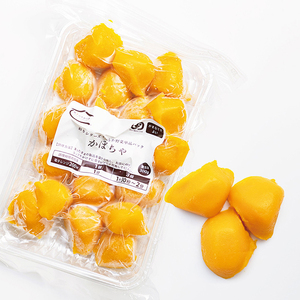
Mango puree concentrate is produced by mechanically extracting the pulp from mature, sound mangos (Mangifera indica L.), followed by de-seeding, micro-refining, thermal deactivation of endogenous enzymes (such as polyphenol oxidase and pectin methylesterase), and low-temperature vacuum evaporation. Unlike single-strength mango puree—which typically registers at 14° to 17° Brix—concentrated mango puree is standardized to 28° to 30° Brix. This process yields a threefold reduction in volumetric weight, drastically lowering cross-border freight costs and storage footprints while preserving authentic organoleptic and nutritional profiles.
Quality directors evaluate mango puree concentrate across four critical sensory and analytical pillars:
Industrial buyers must select the specific cultivar suited for their formulation goals. The table below outlines the primary technical parameters across top globally traded commercial cultivars:
| Varietal / Cultivar | Standard Brix (°Bx) | Acidity Range (% W/W) | Bostwick Viscosity (cm/30s) | Primary Industrial Applications |
|---|---|---|---|---|
| Totapuri Concentrate | 28° – 30° Brix | 1.2% – 1.8% | 6 – 12 cm | Mass Beverage Blends, Sauces, Jam Bases, Nectars |
| Alphonso Puree/Concentrate | 28° – 30° Brix | 0.5% – 0.9% | 7 – 14 cm | Premium RTD Juices, Gourmet Ice Cream, Baby Food |
| Kesar Puree | 16° – 20° (Single/Conc) | 0.4% – 0.8% | 8 – 15 cm | Confectionery Fillings, Ethnic Beverages, Yogurts |
| Kent / Keitt Concentrate | 26° – 28° Brix | 0.6% – 1.1% | 5 – 10 cm | Clean-Label Beverage Matrices, Functional Smoothies |
Leveraging over half a century of family-owned lineage, Greenwood Associates Inc. stands as a premier global supplier, blender, and packer of 100% natural fruit and vegetable juice concentrates, purees, and citrus essential oils. Our Niles, Illinois headquarters serves as an advanced technological hub for custom ingredient formulation and supply chain resilience.
Leading mango puree concentrate factories implement closed-loop automated processing lines to guarantee safety, zero thermal damage, and complete batch consistency:
Fresh mangos undergo multi-stage optical sorting and density flotation. Controlled ethylene ripening chambers ensure fruit reaches peak sugar concentration and natural aromatic development before processing.
Automated pulpers separate seeds and skin without crushing stone fragments. The pulp passes through double-stage strainers (0.7mm to 0.4mm sieves) to remove fibrous particles and deliver a smooth texture.
Puree is passed through multi-stage falling film or forced circulation vacuum evaporators operating at low temperatures (<60°C). This concentrates the juice while preventing caramelization and cooked off-flavors.
High-Temperature Short-Time (HTST) pasteurization processes the concentrate at 95°C–105°C for 30–60 seconds, rapidly cooling it to preserve volatile esters and guarantee commercial sterility.
Concentrate is filled under sterile nitrogen-flushed conditions into high-barrier aseptic aluminum bag-in-box systems or lined 55-gallon drums, ensuring 18–24 months of shelf life without preservatives.
Every lot undergoes microbiological screening (TAB, E. coli, Salmonella), heavy metal mass spectrometry, and pesticide residue verification prior to Certificate of Analysis (CoA) generation and warehouse release.
The global tropical fruit concentrate market is undergoing structural shifts driven by climate volatility, regulatory mandates, and evolving consumer preference for clean-label formulation. Procurement managers must position their supply chains to navigate these macro trends:
Agricultural yields in traditional mango growing regions (such as India's Western belt and South America's Pacific corridor) are increasingly vulnerable to unseasonal monsoon shifts and heat spikes. Leading manufacturers are establishing multi-origin sourcing networks. By partnering with suppliers who hold strategic inventory reserves across North America, beverage brands hedge against localized crop failures and stabilize year-round raw material costs.
With global health authorities tightening rules on added sugars and synthetic ingredients, food engineers are replacing high-fructose corn syrup (HFCS) and artificial flavors with natural fruit concentrates. Mango puree concentrate serves a dual purpose: providing high natural sweetness alongside pectin-driven body and mouthfeel. Unsweetened, non-GMO, clean-label certified concentrates are seeing a 14% CAGR in new product launches across functional beverages and plant-based yogurts.
Rising energy costs and cold-chain freight disruptions are accelerating the migration from frozen mango puree to aseptic concentrate. Aseptic bag-in-box and drum packaging eliminate the need for continuous sub-zero refrigeration during ocean freight and warehousing, cutting logistical carbon footprints by up to 40% while preserving freshness at ambient room temperatures.
Whether you require standard Totapuri concentrate, premium Alphonso puree, or a custom aseptic fruit blend, our technical sales specialists and food scientists are ready to assist with samples, technical specifications, and competitive pricing.
Get a Quote