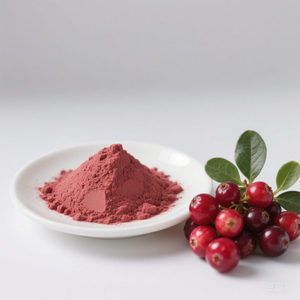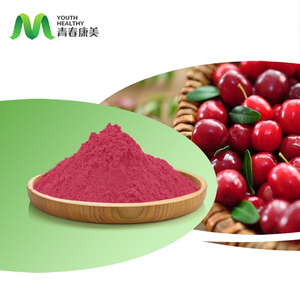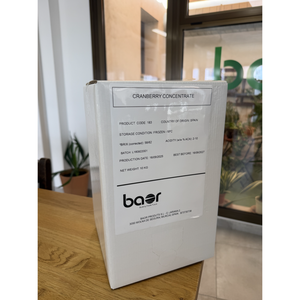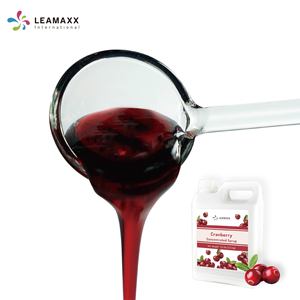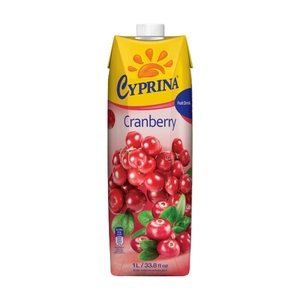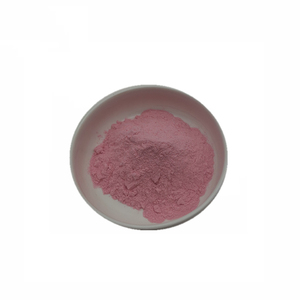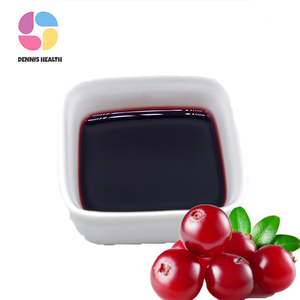
Explore our standardized portfolio of industrial cranberry concentrates, soluble powders, and fruit syrup formulations processed under FSSC 22000, Kosher, and Halal audit frameworks.
In the global industrial food, beverage, and nutraceutical market, procuring high-grade Cranberry Juice Concentrate (Vaccinium macrocarpon) requires rigorous analytical evaluation beyond basic sweetness and color. As global food manufacturers shift toward clean-label and functional beverage formulations, raw material buyers must navigate the intricacies of phytochemical preservation, organic acid profiles, enzymatic stabilization, and international supply chain volatility.
True commercial cranberry concentrate is derived from North American cultivated Vaccinium macrocarpon varieties (such as Stevens, Ben Lear, and Pilgrim) or authentic European Vaccinium oxycoccos. The commercial value of cranberry juice concentrate hinges significantly on its concentration of bioactive compounds—specifically Type-A Proanthocyanidins (PACs), Anthocyanins (peonidin, cyanidin-3-galactoside), and Quinic Acid.
Unlike other berry juice concentrates where sugar content (Brix) is the primary driver of value, commercial cranberry processing focuses heavily on managing its natural astringency and high titratable acidity (TA). Standard commercial concentrate is usually standardized to 50° or 65° Brix, with Titratable Acidity ranging between 11.0% and 15.0% w/w (calculated as anhydrous citric acid at single-strength reconstitution).
| Analytical Metric | Standard Liquid Concentrate (65° Brix) | De-acidified / Clarified Concentrate | Spray-Dried Extract Powder (100% Pure) |
|---|---|---|---|
| Soluble Solids (Brix) | 64.5° – 65.5° Brix | 50.0° – 65.0° Brix | N/A (Moisture ≤ 5.0%) |
| Titratable Acidity (% w/w) | 11.5% – 14.5% (as Citric Acid) | 2.0% – 5.0% (Low Acid) | 6.0% – 10.0% (Native Ratio) |
| Active PACs (BL-DMAC Method) | 1.2% – 2.5% Dry Weight Equivalent | 0.8% – 1.5% | 5.0% – 25.0% Standardized |
| Color (Absorbance @ 520nm) | Intense Ruby Red (Abs ≥ 0.8) | Light Pink / Clear Amber | Deep Magenta / Purple-Red |
| Turbidity (NTU @ 12° Brix) | < 15 NTU (Micro-filtered) | < 5 NTU (Ultra-clear) | Fully Water Soluble |
| Primary B2B Application | Bottled Juices, RTD Teas, Syrups | Blended Fruit Beverages, Dairy | Capsules, Sachets, Gummy Supplements |
Modern cranberry processing plants utilize advanced multi-stage falling film evaporator systems equipped with thermal vapor recompression (TVR) or mechanical vapor recompression (MVR). Because heat exposure can degrade volatile aromatic fractions and degrade heat-sensitive monomeric anthocyanins into brown polymeric pigments, leading exporters employ low-temperature vacuum evaporation below 55°C.
For applications demanding crystal clarity—such as hard seltzers, clear functional waters, and premium syrup lines—factories implement ultrafiltration (UF) and enzymatic depectinization. Pectolytic enzymes break down soluble pectin strings to prevent gelation during high-Brix storage, while cross-flow ceramic membranes eliminate micro-particulates without stripping vital organoleptic tartness.
Choosing an established manufacturing and exporting partner is essential to protecting your supply chain against batch-to-batch variation, microbial contamination, and delivery delays. Rooted in over 50 years of enterprise juice handling, custom blending, and aseptic packaging experience, our facility bridges agricultural harvesting with industrial scale.
Every lot undergoes rigorous testing in our in-house quality control laboratory. Parameter checks include HPLC sugar profiling, patulin monitoring, pesticide residue screening, heavy metals, and complete microbiological verification.
Our processing environment operates under strict FSSC 22000 food safety management certification, along with comprehensive Kosher certification and Halal certification issued by recognized global audit authorities (such as ISA).
We solve single-source acid or color fluctuations by engineering proprietary blends. Whether you require sugar-free cranberry syrup bases, juice concentrate cocktail mixes, or fortified functional liquids, our food technologists match your precise target profile.
Eliminate inventory bottlenecks with one of the lowest minimum order quantities in the industry. Buy as little as a single 5-gallon pail or bag-in-box for R&D trials, up to 200L drums and 1000L totes for full production runs.
As corporate sustainability directives, health-conscious consumer shifts, and global climate shifts alter raw fruit supply chains, B2B ingredient buyers must adjust their multi-year procurement strategy. Based on industry intelligence, the following trends will dictate cranberry concentrate sourcing over the next decade:
To support product development, pilot line testing, and scale-up manufacturing, we maintain one of the most flexible MOQ structures in the fruit ingredient industry. Customers can order as little as one 5-gallon pail or one aseptic bag-in-box (BIB). For commercial production, we supply standard 55-gallon (200L) food-grade steel drums and 275-gallon (1000L) intermediate bulk containers (totes).
For standard 65° Brix liquid cranberry juice concentrate, cold storage at 0°F to 32°F (-18°C to 0°C) is recommended to maintain color clarity, prevent non-enzymatic browning (Maillard reaction), and preserve native flavor profile over an 18 to 24-month shelf life. Aseptic bag-in-box products can be held at ambient temperatures (below 70°F/21°C) prior to opening, per specific product specification sheets.
Our quality laboratory quantifies soluble and insoluble Type-A Proanthocyanidins utilizing standard BL-DMAC (4-dimethylaminocinnamaldehyde) colorimetric assay, HPLC-MS, and UV-Vis spectrophotometry. Every batch of supplement-grade extract powder or high-PAC concentrate is shipped with a comprehensive Certificate of Analysis (COA) specifying exact PAC potency.
Yes. Our custom blending division specializes in standardized acidity adjustment (de-acidification via ion-exchange or membrane separation), natural sweetener fortification (monk fruit, stevia, erythritol for sugar-free lines), and flavor matching for beverage manufacturers requiring plug-and-play syrup bases.
We provide full technical documentation dossiers upon request, including: Certificate of Analysis (COA), Technical Data Sheet (TDS), Safety Data Sheet (SDS), FSSC 22000 certificate, Kosher & Halal certificates, Allergen Statement, Non-GMO Declaration, Country of Origin Certificate, and Heavy Metal / Pesticide Residue Guarantee.
We export globally using all standard Incoterms, including EXW, FOB, CFR, CIF, and DDP. Through long-established freight partnerships, our export logistics team coordinates reefer (refrigerated) ocean containers, air express samples, and domestic freight across North America, Europe, Asia-Pacific, and the Middle East.
Secure consistent, high-bioactive cranberry juice concentrate, purees, and standardized extract powders tailored to your exact manufacturing requirements. Speak directly with our technical sourcing specialists today.
Contact Us