Verified B2B portfolio covering pure citrus extracts, cold-pressed peel essential oils, and premium fruit concentrates refined for global supply chains.
The global marketplace for citrus oils is undergoing a profound structural shift. Driven by agricultural challenges in traditional growing regions such as Florida and South America—where citrus greening disease (Huanglongbing / HLB) and erratic weather patterns have constrained harvest yields—international flavor houses, beverage giants, cosmetic formulators, and green industrial chemistry producers are turning to China's robust citrus agricultural hubs for reliable, high-purity orange essential oils and botanical concentrates.
China has established world-class citrus production belts across provinces like Jiangxi, Sichuan, Guangxi, and Hunan. Modern processing facilities in China utilize state-of-the-art cold-press oil extraction, molecular vacuum fractionation, and automated quality verification technologies. This technical whitepaper outlines the analytical parameters, extraction methods, procurement economics, and quality compliance frameworks essential for enterprise buyers sourcing from top China orange essential oil suppliers.
Orange essential oil (*Citrus sinensis* peel oil) is a volatile, complex mixture predominantly composed of monoterpene hydrocarbons, oxygenated aroma compounds, and non-volatile waxes. The organoleptic profile and functional performance in end products are directly dictated by its chemical composition:
The primary monoterpene responsible for solvency, top-note citrus aroma, and anti-inflammatory bioactivity. Essential for industrial degreasing and top-note flavor creation.
Comprising 1.2% to 2.5% of cold-pressed oil, aliphatic aldehydes provide the characteristic juicy, fresh-cut orange flavor profile required by food and beverage formulators.
Oxygenated alcohols providing floral nuance, oxidative stability, and harmonious blending capacity in premium perfumery and cosmetics.
Depending on the targeted end-use application, Chinese suppliers offer multiple processing grades. Selecting the correct technical grade is vital for product stability, solubility, and cost efficiency:
Standardized physical-chemical parameters guaranteed by certified China orange essential oil suppliers:
| Analytical Parameter | Cold-Pressed Orange Oil | Folded Orange Oil (5X) | High-Purity D-Limonene | Testing Standard / Method |
|---|---|---|---|---|
| Appearance | Clear yellow to deep orange liquid | Dark orange to reddish amber liquid | Colorless to light yellow clear liquid | Visual / ISO 212 |
| Specific Gravity (20°C) | 0.842 – 0.850 g/cm³ | 0.865 – 0.880 g/cm³ | 0.840 – 0.845 g/cm³ | ISO 279 / Pycnometer |
| Refractive Index (20°C) | 1.4720 – 1.4740 | 1.4780 – 1.4850 | 1.4710 – 1.4730 | ISO 280 / Refractometer |
| Aldehyde Content (as Decanal) | 1.2% – 2.2% | 5.0% – 8.5% | < 0.5% | Hydroxylamine HCl Titration |
| D-Limonene Purity | 93.0% – 96.0% | 60.0% – 75.0% | ≥ 96.0% | GC-MS / FID Analysis |
| Flash Point | 48°C (118.4°F) | 54°C (129.2°F) | 46°C (114.8°F) | Closed Cup / ISO 13736 |
As corporate procurement managers navigate fluctuating commodity cycles, staying ahead of market vectors is essential for safeguarding margin predictability and raw material availability. Key strategic developments in the citrus essential oil sector include:
Leading China suppliers are expanding direct control over orange orchards in key microclimates (such as Ganzhou Navel Orange regions). Vertical integration ensures zero pesticide residue non-compliance (conforming to strict EU MRL and US FDA guidelines) and guarantees traceabilty from orchard harvesting to final drum filling.
Modern processing plants are adopting zero-waste citrus bio-refinery frameworks. Citrus peel, formerly treated as agricultural byproduct, is fully valorized into high-value cold-pressed oil, pectin extracts, dietary fiber prebiotics, and bio-ethanol. Water-recycling closed-loop extractions reduce carbon footprints—aligning with multinational ESG procurement directives.
Rather than purchasing off-the-shelf single-strength oils, beverage and fragrance formulators are increasingly requesting specialized custom blends. Suppliers with in-house analytical labs can fine-tune specific aldehyde ratios, adjust color densities, and remove bitter terpene fractions to deliver plug-and-play raw materials tailored to client-specific formulas.
Rooted in half a century of deep agricultural and industrial ingredient expertise, our operation stands as a premier supply partner for global buyers seeking reliability, safety, and operational transparency. We integrate sourcing, laboratory verification, custom blending, aseptic packaging, and international freight management under a single qualified standard.
Facilities certified under FSSC 22000 food safety management systems, fully Kosher certified, and Halal certified (ISA). Full audit documentation available for seamless QA vendor approvals.
Every single batch undergoes rigorous internal GC-MS analysis, specific gravity validation, refractive index checks, and heavy metal/microbiological screening prior to release.
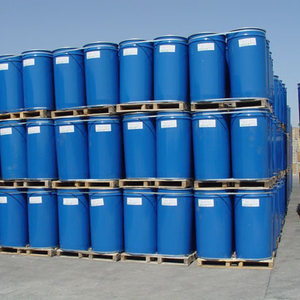
From single 5-gallon pails for R&D trials to 200kg steel drums, aseptic bag-in-box, and bulk ISO tank totes. We accommodate low MOQs to enable agile scaling.
Strategically positioned inventory and freight partnerships ensure reliable year-round supply, buffer stocks against harvest seasonalities, and hassle-free door-to-door delivery.
Detailed guidance for procurement officers, chemical engineers, and quality assurance leads Sourcing Orange Essential Oils:
We offer some of the most flexible purchasing tiers in the global market. While standard production shipments are fulfilled in 180kg or 200kg UN-rated steel drums, pilot runs, flavor formulation trials, and small-batch manufacturing can be supplied in containers as small as a 5-gallon pail (approx. 15kg to 18kg) or aseptic bag-in-box formats.
Every production batch is tested in our in-house quality control laboratory adhering to strict HACCP protocols. We utilize Gas Chromatography-Mass Spectrometry (GC-MS) to fingerprint monoterpene ratios, aldehyde percentages (octanal/decanal), specific gravity, and refractive index. Certificate of Analysis (COA) and MSDS documentation are provided with every order.
Our processing operations are fully backed by FSSC 22000 Food Safety System Certification, Kosher certification, and Halal certification issued by the Islamic Services of America (ISA). Additionally, we provide documentation verifying compliance with US FDA CFR regulations, European Pharmacopoeia standards, and heavy metal / pesticide residue limits.
Pure citrus essential oils are vulnerable to oxidation when exposed to heat, light, and atmospheric oxygen. Cold-pressed orange oils should be stored in full, tightly sealed, nitrogen-flushed dark container barrels at controlled temperatures between 4°C and 10°C (39°F to 50°F). Under ideal storage, unopened shelf-life ranges from 12 to 24 months.
Yes. Our engineering team specializes in custom vacuum fractionation and tailored compounding. We can produce specific concentration folds (e.g., 5X, 10X, 20X) or blend orange oils with other citrus terpenes (tangerine, lemon, grapefruit) to achieve your precise target Brix aroma profile, flash point, or solubility parameter.
Because pure orange essential oil contains high levels of D-limonene, it has a flash point of approximately 48°C (118.4°F) and is classified as a Class 3 Flammable Liquid (UN 1169 / UN 2319) under IATA/IMDG regulations. Our logistics specialists handle all UN-approved packaging, hazardous cargo labeling, and international customs clearance to ensure compliant, uninterrupted transit.
Partner with an established B2B ingredient leader. Request technical datasheets, certified COAs, factory-direct wholesale pricing, or custom sample blends for your R&D trials today.
Get a Quote