
Explore export-grade clarified concentrates, purees, powders, and botanical extracts manufactured under rigorous FSSC 22000, Kosher, and Halal food safety standards.
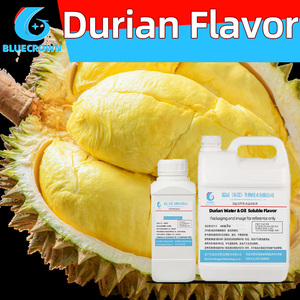
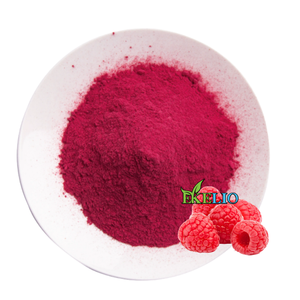
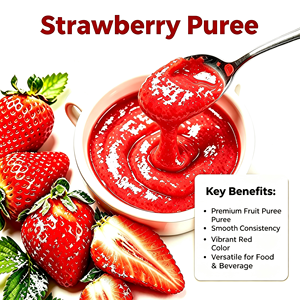
The global food, beverage, and nutraceutical industries rely heavily on clarified fruit juice concentrates as natural sweetening agents, acidifiers, flavor matrices, and functional bases. China has established itself as the world’s primary manufacturing epicentre for clarified juice concentrates—most notably clarified apple juice concentrate (AJC), clarified pear juice concentrate (PJC), and clear berry concentrates. Operating from abundant horticultural belts in Shaanxi, Shandong, Shanxi, and Xinjiang, top Chinese export factories combine vast raw material yields with state-of-the-art European membrane filtration systems.
Clarified juice concentrates differ fundamentally from cloudy juices or purees. Through precise enzymatic depectinization, starch hydrolysis, gelatin/bentonite fining, and cross-flow ceramic ultrafiltration, processing plants remove suspended solids, insoluble pectins, polyphenols, and proteins. The result is a crystal-clear, highly concentrated liquid (typically 65° to 70° Brix) exhibiting minimal NTU turbidity and superior thermodynamic stability against haze formation during global transport and shelf-life storage.
SEO & Market Intelligence Insight: Procurement teams searching for "Top China Clarified Juice Concentrates Factories & Exporters" demand more than price quotes. Decision-makers require technical transparency regarding Patulin limit control (<30 ppb), NTU clarity persistence, thermal caramelization indexes, and full traceability from orchard harvest to aseptic drum filling.
As international regulatory frameworks enforce stricter food safety protocols—such as FDA FSMA rules, EU MRL (Maximum Residue Limits) guidelines, and stringent heavy metal thresholds—leading Chinese exporters have upgraded their facilities with automated continuous evaporators, HPLC Patulin testing units, and GC-MS aroma recovery systems. This whitepaper provides procurement directors, quality assurance managers, and beverage R&D specialists with a comprehensive evaluation benchmark for selecting top-tier Chinese clarified juice manufacturers.
Achieving superior clarity requires rigorous chemical monitoring. Below is a standardized specification matrix illustrating export benchmarks enforced by top Chinese clarified concentrate processing facilities:
| Fruit Variant | Brix (°Bx at 20°C) | Acidity (% w/w Malic/Citric) | Turbidity (NTU at 11.5°Bx) | Color Transmittance (% at 440nm) | Pectin & Starch Test | Patulin / Heavy Metals |
|---|---|---|---|---|---|---|
| Clarified Apple Concentrate | 70.0 ± 1.0 | 1.2 - 3.5 (Adjustable) | < 1.5 NTU | ≥ 95.0% | Negative (Pass) | Patulin < 30 ppb / As < 0.1 mg/kg |
| Clarified Pear Concentrate | 70.0 ± 1.0 | 0.8 - 1.8 | < 2.0 NTU | ≥ 92.0% | Negative (Pass) | Patulin < 30 ppb / Pb < 0.05 mg/kg |
| Clarified White Grape Concentrate | 68.0 ± 1.0 | 0.6 - 1.2 (Tartaric) | < 1.8 NTU | ≥ 94.0% | Negative (Pass) | Heavy Metals < EU Standard |
| Clarified Deacidified Juice | 70.0 ± 0.5 | < 0.1 (Neutralized) | < 1.0 NTU | ≥ 96.0% | Negative (Pass) | Zero Chemical Residues |
| Clarified Raspberry / Berry Blend | 65.0 ± 1.0 | 8.0 - 14.0 (Citric) | < 2.5 NTU | Rich Natural Anthocyanins | Negative (Pass) | Pesticide Screen (500+ compounds) |
When specifying clarified juice concentrates for industrial beverage bottling, dairy fermentation, or pharmaceutical syrup manufacturing, clarity stability over time is paramount. Post-bottling haze (after-precipitation) usually stems from unhydrolyzed pectin, residual starch, or polymerized tannins. High-tier Chinese factories utilize automated enzymatic digestion loops to guarantee total breakdown prior to ultrafiltration, ensuring zero post-packaging haze.
Modern Chinese clarified juice export facilities utilize multi-stage processing technology to transform fresh orchard harvests into shelf-stable, crystal-clear liquid concentrates. Understanding these steps allows procurement teams to verify supplier capability during factory audits.
Fresh fruit is washed, sorted, and milled under cold temperature conditions. Integrated vacuum stripping units capture volatile fruit aroma compounds, concentrating them separately for optional back-blending or essential oil extraction (e.g., orange terpenes).
Juice tanks are dosed with precise concentrations of pectinase, amylase, and glucoamylase enzymes at controlled temperatures (45°C - 50°C). This process hydrolyzes soluble pectins and starches into simple sugars, eliminating viscosity and cloudiness.
The depectinized juice passes through cross-flow ceramic membrane systems with pore sizes ranging from 10 to 50 nanometers. Suspended solids, macromolecular proteins, and microbial spores are physically separated without thermal degradation.
Falling-film evaporators concentrate the clarified juice under high vacuum and low temperatures. This rapid process elevates density to 70° Brix while inhibiting thermal browning (Maillard reactions) and preserving natural fruit color.
Concentrate undergoes ultra-high-temperature (UHT) flash sterilization followed by immediate cooling. Product is filled into sterile aseptic bag-in-box systems, 275kg steel drums, or 1000kg IBC totes under ISO Class 5 sterile environments.
Before dispatch, every batch is analyzed in HACCP-certified quality control labs. HPLC screens for Patulin, heavy metals are verified via ICP-MS, and microbiological sterility is confirmed over a 7-day incubation hold.
As international beverage brand owners adjust to shifting consumer preferences, purchasing strategies for clarified juice concentrates are undergoing significant structural evolution. Exporters and factories in China are adapting quickly to meet these demands:
With global sugar taxes expanding across Europe, Latin America, and Southeast Asia, beverage formulators are actively replacing high-fructose corn syrup (HFCS) and refined sucrose with 100% natural fruit sugars. Deacidified clarified apple and pear juice concentrates offer a neutral sweetening profile (70° Brix) without altering the target flavor profile of fruit drinks, teas, or flavored waters. Top Chinese factories have expanded ion-exchange deacidification lines to produce zero-acid clarified bases tailored for clean-label compliance.
Global buyers now demand farm-to-factory traceability. Leading Chinese exporters are establishing vertically integrated contract farming models where pesticide application schedules are digitally tracked. Compliance with EU baby food regulations (where individual pesticide residues must remain below 0.01 mg/kg) has become the benchmark for premier Chinese manufacturers exporting to Western Europe and North America.
Supply chain volatility has incentivized buyers to seek supply partners offering inventory flexibility. Historical order models required full container loads (FCL) of standardized drums. Today's leading supply networks—exemplified by Greenwood Associates' multi-regional warehousing strategy—allow clients to procure smaller, flexible quantities (ranging from single 5-gallon pails or aseptic bag-in-box units up to bulk totes). This setup supports R&D trial runs, low-risk product launches, and seasonal SKU variations while preserving cash flow.
Choosing the right Chinese exporter involves evaluating factory technical capabilities, international certification depth, and value-added processing services. A robust enterprise infrastructure incorporates several essential elements:
1. Comprehensive Certification Portfolio: Global food manufacturers cannot compromise on regulatory compliance. Export production lines must operate under recognized Food Safety System Certification frameworks, including FSSC 22000, ISO 22000, and HACCP protocols. Religious dietary compliance—certified by Kosher authorities (such as OU, Star-K, or OK) and Halal bodies (e.g., ISA - Islamic Services of America)—ensures seamless entry into global halal and kosher food distribution channels.
2. In-House Testing Laboratory Capabilities: Leading suppliers maintain state-of-the-art analytical testing laboratories capable of running lot-by-lot verification. Critical diagnostic equipment includes:
3. Custom Blending & Co-Packing Solutions: High-value suppliers do not merely ship raw single-strength concentrates. They provide technical custom blending—combining fruit juices, purees, dietary fibers, prebiotics, and botanical terpenes (such as Beta-Caryophyllene or Farnesene) to client-specified target Brix and acidity levels. Furthermore, co-packing facilities enable re-packing from bulk tanks, totes, or drums into aseptic bag-in-box formats or custom branded pails tailored to specific plant handling equipment.
Below are authoritative technical answers to common questions raised by procurement managers and beverage chemists during factory selection:
NFC (Not From Concentrate) juice is single-strength fruit juice obtained directly from mechanical pressing, pasteurized, and packed without water removal (typically 10°-12° Brix for apple/orange). Clarified Juice Concentrate undergoes enzymatic depectinization, ultrafiltration to remove insoluble solids, and vacuum evaporation to reach ~70° Brix. Concentrate reduces shipping volume by roughly 80%, offers lower freight costs, and provides extended shelf-life stability while remaining 100% natural fruit juice upon reconstitution.
Patulin is a mycotoxin produced by fungi (such as Penicillium) on damaged fruit. Top Chinese exporters enforce strict raw material sorting (eliminating bruised fruit via automated optical sorting), implement thorough washing cycles, and utilize specialized resin adsorption columns alongside enzymatic treatments during clarification. HPLC testing verifies that final export lots remain strictly below international limits (e.g., <50 ppb FDA, <25-30 ppb EU standards, and <10 ppb for baby food applications).
Standard export packaging options include: (1) 275kg Aseptic Bags in Steel Drums (4 drums per pallet, 80 drums per 20ft FCL); (2) 20kg or 25kg Aseptic Bag-in-Box (BIB) for easy industrial handling; (3) 1000kg Aseptic IBC Totes for medium-scale bottlers; and (4) Flexitanks (20,000 to 24,000 Liters) for high-volume bulk beverage processing plants. Storage conditions depend on the item; ambient storage is acceptable for aseptic packs, though refrigerated (0-5°C) or frozen storage is recommended to prevent color darkening over extended periods.
Yes. Custom blending laboratories can standardize juice concentrates to exact acid ranges. For instance, Clarified Apple Juice Concentrate can be supplied as Low Acid (<1.5% malic acid), Medium Acid (1.5% - 2.5%), or High Acid (>2.5%), or processed through ion-exchange resins to create completely Deacidified Clarified Juice (<0.1% acid) for neutral sweetening applications.
Under recommended cold storage conditions (0°C to 4°C / 32°F to 40°F), unopened clarified concentrates maintain optimal clarity, color, and microbiological stability for 18 to 24 months. If stored under ambient conditions, non-enzymatic thermal browning may accelerate over time, reducing color transmittance, though safety and sweetness remain unaffected.
Greenwood Associates bridges global manufacturing with localized supply chain convenience. By maintaining ready-to-ship inventory across strategic regional warehouses, coordinating rigorous HACCP laboratory testing, providing low MOQs (down to single pails), and offering custom blending and co-packing services, Greenwood eliminates customs complexity, long sea-freight lead times, and quality assurance risks for ingredient buyers.
Request technical specification sheets, custom Brix/acid sample formulations, or immediate factory container pricing for export-grade clarified juice concentrates.
Inquire Now