
Inspected and standardized bulk fruit & vegetable ingredients available for global export. Certified under FSSC 22000, Kosher, and Halal protocols with full batch traceability.
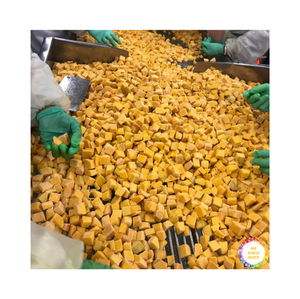
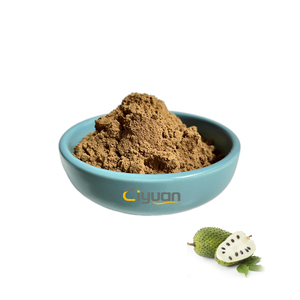
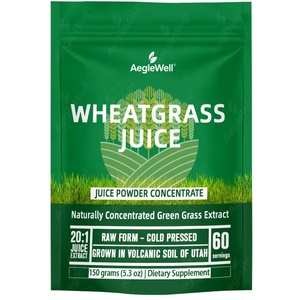
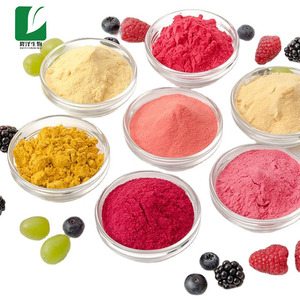
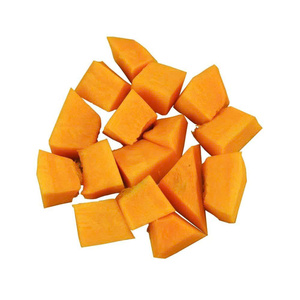
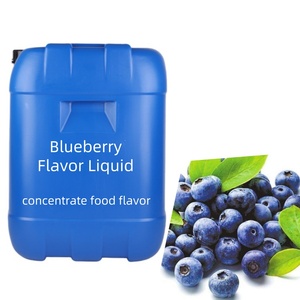
The global market for bulk fruit juice concentrates, vegetable purees, and citrus essential oils has undergone a fundamental structural shift over the past decade. As multinational food processors, beverage manufacturers, nutraceutical formulators, and flavor houses demand greater supply chain security, China has emerged as an indispensable hub for agricultural processing, high-brix evaporative concentration, and aseptic extraction technology.
Top China bulk fruit juice manufacturers leverage advanced multi-stage evaporators, freeze-drying technology, and enzymatic clarification to process millions of metric tons of raw fruit annually. From apple and pear concentrates in Shaanxi and Shandong, to specialty tropical extracts like graviola, noni, and high-anthocyanin berries in southern agricultural corridors, Chinese facilities provide unmatched processing scale paired with stringent international quality standards.
Information Gain Insight: Procurement executives evaluating Chinese processing plants must look beyond basic FOB pricing. True procurement optimization relies on evaluating non-enzymatic browning (NEB) rates, patulin mitigation protocols in pome fruits, thermo-tolerant acidophilic bacteria (TAB) control, and low-temperature aseptic cold-filling capabilities.
To establish authoritative standards for global B2B procurement, high-volume juice buyers must implement rigorous quality assurance protocols. Every production lot leaving certified manufacturing plants should undergo comprehensive physico-chemical and microbiological laboratory validation under HACCP and ISO 17025 standards.
| Analytical Parameter | Standard Commercial Spec | Premium Industrial Spec | Testing Methodology (Laboratory Standard) |
|---|---|---|---|
| Brix Content (°Brix) | Single strength (11-13°) or 65-70° Concentrated | Customized 68-71° (High Density) | Refractometric Index @ 20°C (IFU No. 8) |
| Titratable Acidity (% w/w) | 1.0% – 4.5% (as Citric / Malic Acid) | Standardized Acid Ratio (Custom Blended) | Potentiometric Titration with 0.1M NaOH (IFU No. 3) |
| Clarity / Turbidity (NTU) | < 5 NTU (Clear Concentrates) | < 1.5 NTU (Ultra-Clarified for Wine/Beverage) | Nephelometric Turbidimeter @ 625nm |
| Patulin (Pome Fruit Concentrates) | < 50 ppb (FDA / EU Limit) | < 10 ppb (Infant Food Grade Target) | HPLC-UV / LC-MS-MS Quantification |
| Pesticide Residue Screen | EU MRL Compliant (< 0.01 mg/kg) | Zero Detected / Organic Certified | GC-MS/MS & LC-MS/MS Multi-Residue Screen |
| Thermo-Tolerant Bacteria (TAB) | < 100 CFU / 10g | Negative / Absent in 100g | BAT Medium Cultivation @ 45°C (IFU Method No. 12) |
Our featured manufacturing partner network integrates half a century of heritage expertise with modern processing infrastructure. By bridging traditional agricultural management with continuous automated processing lines, facilities deliver robust performance across seven key criteria required by tier-one global buyers:
Facilities hold current FSSC 22000, Kosher, and Halal (ISA certified) credentials, ensuring seamless approval by corporate QA departments.
Advanced aseptic cold-filling technology packs purees and concentrates into 200L steel drums and 1000L totes without thermal degradation.
Eliminating traditional high barrier entry points; order quantities start as low as a single 5-gallon pail or aseptic bag-in-box for pilot R&D runs.
In-house food scientists formulate custom acidity, Brix, color profile, and functional nutrient fortification to exact client specifications.
Every single batch undergoes high-performance liquid chromatography (HPLC), heavy metal ICP-MS screening, and strict microbial assay before release.
Strategic inventory holding zones across North America, Europe, and Asia streamline ocean freight and ensure rapid regional truck delivery.
Strategic sourcing directors must navigate evolving market demands. Key developments shaping the future of bulk fruit juice manufacturing include:
Traditional thermal evaporation often strips volatile aromatic compounds. Leading Chinese facilities are increasingly deploying membrane filtration, continuous vacuum low-temperature evaporation, and HPP sterilization. This preserves heat-sensitive vitamins, bioactive antioxidants, and authentic top-note fruit aromas requested by clean-label beverage brands.
With global sugar tax legislation expanding, beverage manufacturers rely heavily on ultra-clarified high-fructose fruit extracts (such as deionized apple or white grape concentrates) as natural sweetening bases. These allow brands to replace high-fructose corn syrup (HFCS) while maintaining 100% natural fruit juice labeling claims.
Demand is surging for functional ingredients including raw wheatgrass juice powder, graviola/soursop extracts, noni freeze-dried powders, and high-anthocyanin blueberry essence. Modern factories are retooling lines to produce water-soluble, highly bioavailable concentrated powders designed for nutraceutical wellness shots, stick packs, and functional dairy formulations.
Selecting a reliable OEM/ODM factory in China requires a systematic procurement protocol. Follow this 5-stage verification roadmap to mitigate supply risk:
Define Target Brix, Acidity, Pulp Content, Mesh Size, and Color Index.
Request 500g benchtop samples alongside lot-specific Certificate of Analysis.
Review GFSI certifications (FSSC 22000, BRCGS) or conduct third-party audits.
Execute pilot batch runs (1 Pail to 1 Tote) to verify performance on production lines.
Establish temperature-controlled reefers or ambient aseptic logistics contracts.
Answers to crucial technical and logistics questions commonly raised by quality control managers and international procurement teams:
Unlike rigid industrial suppliers requiring full container loads (FCL), our flexible production options allow orders starting as low as a single 5-gallon pail (approx. 25kg) or a single 20kg bag-in-box. This enables R&D pilot testing, formulation matching, and low-risk seasonal market trials before scaling up to 200L aseptic drums or 1000L flexitanks.
Top-tier manufacturing facilities utilize optical sorting tables, high-pressure fruit washing flumes, and enzymatic carbon adsorption treatments. Every batch of pome fruit (apple/pear) is quantitatively analyzed via LC-MS/MS to guarantee patulin levels remain below 10-50 ppb, strictly meeting US FDA and European Commission import standards.
We supply products in multiple industry-standard packaging formats: (1) Aseptic Bag-in-Box (10kg/20kg) for ambient storage; (2) Frozen IQF pails; (3) 200L Aseptic Steel Drums with double polyethylene liners; (4) 1000L Liquid IBC Totes & Flexitanks for ultra-bulk beverage bottlers.
Yes. All standard fruit concentrates, specialty extracts, and vegetable purees are produced in facilities audited and certified by internationally recognized certifying bodies, including Kosher supervision and Halal certification issued by the Islamic Services of America (ISA). Lot-specific certificates are issued alongside shipping documentation.
Absoutely. In-house blending laboratories can match target acidity profiles (citric, malic, or tartaric balance), adjust Brix degrees (e.g., standard 65° Brix vs. deionized 70° Brix), and co-blend unique flavor profiles combining citrus essential oils, botanical extracts, and fruit purees.
Liquid fruit juice concentrates stored under frozen conditions (-18°C) maintain optimum sensory quality for 24 months. Aseptic liquid products stored under cool ambient conditions (< 15°C) maintain stability for 12–18 months. Freeze-dried and spray-dried fruit powders stored in sealed moisture-proof barrier packaging have a recommended shelf life of 24 months at room temperature.
Connect directly with our engineering and procurement specialists to receive live quotes, custom blending consultations, and factory direct sample kits shipped worldwide.
Inquire Now