
As global consumer preference shifts decisively toward clean-label sugar reduction, natural beverage bases, and functional botanical formulations, procurement teams across the food, beverage, nutraceutical, and flavor manufacturing sectors are re-evaluating their raw material supply chains. Deionized juice concentrate—produced primarily from high-grade apple, pear, or white grape bases—has emerged as a foundational building block for modern clean-label reformulations.
Understanding Deionization & Refined Fruit Sweeteners: Deionized fruit juice concentrate is derived by processing expressed natural fruit juice through advanced ion-exchange resin systems and ultra-filtration networks. This multi-stage refining process strips out naturally occurring fruit acids, minerals, pigments (anthocyanins and tannins), and characteristic aroma compounds. What remains is a crystal-clear, flavor-neutral, carbohydrate-rich liquid natural sugar solution (typically standardized to 65.0°Bx – 70.0°Bx).
Because deionized juice concentrate retains the natural ratio of fructose, glucose, and sucrose inherent to whole fruit while removing color and tartness, food scientists and R&D formulators utilize it as an ideal substitute for high-fructose corn syrup (HFCS), inverted sugar syrups, and refined cane sugar. It allows brand owners to legally declare "Sweetened with 100% Real Fruit Juice" on consumer package goods (CPG) labels, boosting product premiumization without altering the intended color, aroma, or delicate flavor profile of finished products.
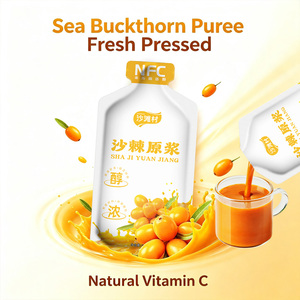
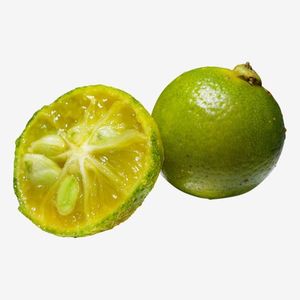
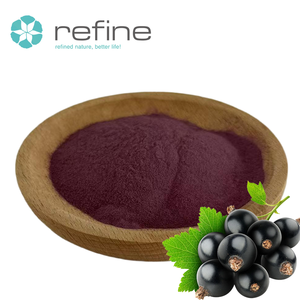
Explore our curated portfolio of premium single-strength juices, high-Brix concentrates, superfood purees, and cold-pressed botanical extracts engineered for large-scale industrial manufacturing.
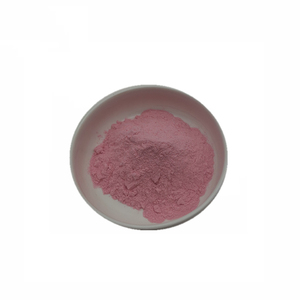
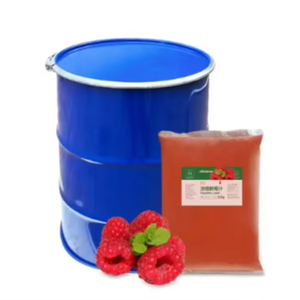
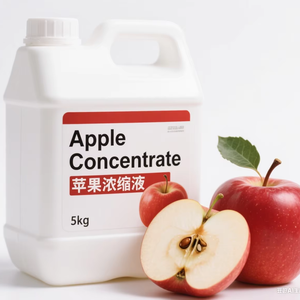
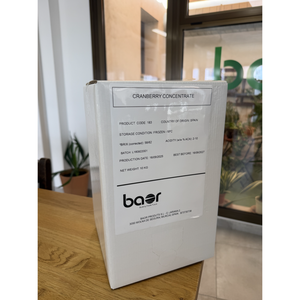
Evaluating deionized apple, pear, and grape concentrates requires stringent quality control parameters. Below are standard analytical metrics expected by Tier-1 food safety and QA compliance teams.
| Parameter | Deionized Apple Concentrate | Deionized Pear Concentrate | Deionized Clarified Grape | Analytical Method |
|---|---|---|---|---|
| Soluble Solids (Brix) | 70.0°Bx ± 1.0°Bx | 70.0°Bx ± 1.0°Bx | 68.0°Bx ± 1.0°Bx | Refractometer at 20°C |
| Acidity (% as Citric Acid) | ≤ 0.05% - 0.10% | ≤ 0.05% - 0.08% | ≤ 0.05% | Potentiometric Titration |
| Color Transmittance (%T at 440nm) | ≥ 95.0% (Reconstituted to 11.5°Bx) | ≥ 94.0% (Reconstituted to 11.8°Bx) | ≥ 96.0% (Reconstituted to 16.0°Bx) | UV-Vis Spectrophotometer |
| Clarity / Turbidity | ≤ 2.0 NTU | ≤ 2.5 NTU | ≤ 1.5 NTU | Nephelometer |
| pH Range | 3.5 – 4.5 | 3.8 – 4.8 | 3.5 – 4.2 | Standard Digital pH Meter |
| Pesticide & Heavy Metal Limits | EU & US FDA Compliant (<0.01 mg/kg) | EU & US FDA Compliant (<0.01 mg/kg) | EU & US FDA Compliant (<0.01 mg/kg) | LC-MS/MS & ICP-MS Screen |
When auditing commercial fruit ingredient suppliers, chief procurement officers (CPOs) and QA directors look beyond basic pricing. Sustainable procurement demands assessing six critical enterprise pillars:
Verified adherence to GFSI-recognized benchmark standards such as FSSC 22000, BRCGS, or SQF. Additionally, full Kosher Pareve and ISA Halal certifications are required for global market accessibility.
Top-tier suppliers utilize multi-bed cation/anion exchange resins combined with polymeric adsorbent columns to ensure zero chemical residual carryover, high heat stability, and non-browning sugar matrices.
Maintaining temperature-controlled shipping (frozen at -18°C or refrigerated at 0–4°C for aseptic packs) guarantees color stability, prevents maillard reaction degradation, and keeps microbial counts near zero.
Leading suppliers offer tailor-made brix standardization (e.g., 65°Bx vs 70°Bx), pH adjustment, custom fruit ratio blends, and re-packing capabilities into pails, drums, totes, or flexi-tanks.
Agile manufacturers support R&D pilot projects by offering low minimum order quantities—allowing pilot runs as small as a single 5-gallon pail (approx. 50 lbs) or aseptic bag-in-box before full container loads.
Full orchard-to-barrel traceability with comprehensive Certificates of Analysis (COA) detailing Brix, titratable acidity, turbidity, microbial load, patulin testing (for apple), and heavy metal profiles.
The global industrial fruit ingredients market is undergoing unprecedented transformation. As procurement officers align with sustainability mandates and evolving food science standards, three macro trends are defining the future of deionized juice concentrate supply:
With over half a century of family ownership and technical processing leadership, Greenwood Associates provides seamless B2B sourcing, custom formulation blending, and co-packing for world-class food & beverage manufacturers.
Our long-standing grower relationships across North America, South America, Europe, and Asia ensure continuous stock availability regardless of local harvest seasonality or crop yield fluctuations.
Every lot undergoes rigorous analytical testing in our state-of-the-art facility. We issue exhaustive COAs covering physical, chemical, and microbiological parameters to satisfy strict QA audits.
Whether you require raw materials in 5-gallon pails, 55-gallon steel/plastic drums, 275-gallon aseptic totes, or custom bag-in-box configurations, our co-packing lines execute precise re-fills under sterile conditions.
Clear answers to common questions asked by R&D food scientists, purchasing agents, and quality assurance managers.
Partner with a leading supplier of deionized juice concentrates, fruit purees, and citrus essential oils. Our technical ingredient specialists are ready to support your formulation and supply chain requirements.