Explore our premium-grade ingredient portfolio engineered for commercial beverage, food processing, cosmetic, and nutraceutical applications.
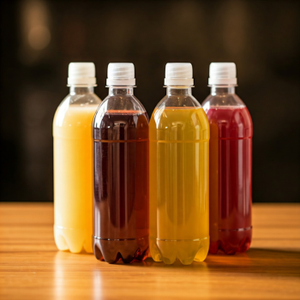
In the global flavor, fragrance, cosmetic, and functional beverage sectors, Grapefruit Essential Oil (Citrus paradisi) represents one of the most chemically complex citrus extracts. Derived predominantly from the outer pericarp (flavedo) of pink, red, and white grapefruit cultivars, the commercial value of this botanical oil hinges upon precision extraction techniques, strict volatile constituent preservation, and rigorous adulteration testing.
As global brand owners shift toward clean-label compliance, zero-pesticide thresholds, and standardized active compound profiles (specifically high-purity D-Limonene and key aroma-active sesquiterpenes like Nootkatone), the operational landscape for OEM (Original Equipment Manufacturer) and ODM (Original Design Manufacturer) factories has evolved dramatically. Procurement executives must look beyond basic pricing and evaluate suppliers based on analytical transparency, extraction technology, regulatory certifications (FSSC 22000, Kosher, Halal), and supply chain continuity.
The manufacturing process dictates the thermal degradation, phototoxicity (furanocoumarins content), and volatile aromatic profile of the end-product:
Leveraging over half a century of family-owned processing expertise through our operational framework at Greenwood Associates, Inc., our enterprise manufacturing matrix resolves the primary supply chain bottlenecks faced by global buyers: quality variance, regulatory compliance, flexible pack formats, and high Minimum Order Quantities (MOQs).
Full ODM capabilities to develop target Brix fruit concentrates, standardized essential oil terpenic profiles, tailored aromatic signatures, and custom acidity levels. We blend raw fruit purees, juices, and essential oils engineered precisely for your plant's batching specs.
Every lot undergoes rigorous quality control in our in-house HACCP laboratory. Supported by global accreditation standards including FSSC 22000, Kosher Certification, and Halal Certification issued by the Islamic Services of America (ISA).
Break free from rigid enterprise minimums. We support scaling brands and R&D pilot runs with MOQs as low as one 5-gallon pail or bag-in-box, up to 55-gallon drums, 275-gallon aseptic totes, and full tanker shipments.
| Service Parameter | Standard Market Supplier | Greenwood OEM/ODM Benchmark |
|---|---|---|
| Minimum Order Quantity (MOQ) | 1 Full Pallet / Metric Ton minimum | 1 Pail (5 Gallons) / Bag-in-Box for R&D & Scaled Line Runs |
| Aseptic Packaging Capabilities | Limited to rigid drums | Full Aseptic Bag-in-Box, Pails, Drums & Totes |
| Custom Ingredient Blending | Pre-set off-the-shelf formulas only | Tailored Brix, Acid Ratio, Terpene Modification & Co-Packing |
| U.S. Strategic Warehousing | Single point of dispatch | 10 Regional Hubs (IL, CA, TX, FL, OH, MN, GA, NJ, NV, MA) |
| Laboratory & QA Verification | Third-party delayed COA | In-House HACCP Lab Batch Verification Prior to Dispatch |
The strategic sourcing of citrus essential oils is undergoing structural realignment driven by climate volatility, regulatory mandates, and biotechnological breakthroughs. Procurement teams must adapt their procurement models to navigate these key macro trends:
European Union regulatory bodies (SCCS) and global personal care compliance standards are imposing stricter limits on naturally occurring furanocoumarins (such as Bergapten) in leave-on cosmetic formulations due to UV-induced phototoxicity. Future ODM supplier selection will prioritize factories equipped with high-vacuum fractional molecular distillation units capable of stripping phototoxic compounds while maintaining the authentic cold-pressed sensory footprint.
Sustainability is no longer an ancillary marketing asset—it is a core procurement requirement. Enterprise buyers are demanding zero-waste manufacturing models where citrus peels from juice concentrate production are immediately routed to cold-pressing and essential oil recovery lines. Comprehensive LCA (Life Cycle Assessment) metrics, carbon footprint tracking from orchard to drum, and full farm-to-factory chain-of-custody documentation are becoming mandatory RFP conditions.
Natural Nootkatone—the key sesquiterpene responsible for the signature bitter-sweet aromatic character of grapefruit—occurs naturally in low concentrations (typically 0.1% to 0.8% in cold-pressed oil), making it vulnerable to agricultural yield drops. Procurement strategies are bifurcating: premium cosmetic brands favor 100% natural cold-pressed oil, while flavor manufacturers are increasingly blending bio-fermented or enzymatic Nootkatone to standardize cost and olfactory performance year-round.
Adulteration remains a persistent threat in the citrus essential oil market, with low-cost synthetic D-Limonene or orange terpenes frequently used to stretch natural grapefruit oil. Leading buyers are establishing multi-dimensional analytical protocols, mandating GC-MS (Gas Chromatography-Mass Spectrometry), Enantioselective Chiral GC, and Isotope Ratio Mass Spectrometry (IRMS) verification on every imported batch to guarantee 100% botanical purity.
Agricultural greening diseases (Huanglongbing - HLB) have severely impacted traditional citrus growing belts in Florida and Brazil, leading to market price swings of up to 40% annually. Enterprise procurement managers are advised to lock in multi-origin supply agreements (combining North American, Mediterranean, and Asian origins) and utilize contract blending facilities to stabilize year-round raw material costs.
Expert insights addressing key technical, regulatory, and logistics queries for industrial buyers and formulation engineers.
Under optimal storage conditions—sealed air-tight containers under nitrogen flush, protected from direct sunlight, and maintained at temperatures between 4°C to 10°C (39°F–50°F)—cold-pressed grapefruit essential oil has a shelf life of 12 to 24 months. Because high concentrations of D-Limonene are susceptible to oxidation (forming peroxides and altering fragrance profiles), keeping head-space oxygen minimal is crucial for preserving chemical integrity.
Every lot processed at our facilities undergoes comprehensive analytical testing in our state-of-the-art laboratory following strict HACCP and ISO protocols. We utilize Gas Chromatography-Mass Spectrometry (GC-MS) fingerprinting to confirm natural terpene distributions (D-Limonene 88-95%, Myrcene 1.5-2.5%, Octanal, Sabinene, and Nootkatone) and perform chiral column chromatography to ensure no synthetic aroma chemicals or lower-cost orange by-products have been introduced.
Yes. Custom ingredient engineering is one of our primary core competencies. We blend fruit juices, concentrates, purees, organic sweeteners, and essential oils to match your specific target Brix, pH level, viscosity, or flavor profile. Finished custom formulations can be packaged directly into pails, drums, totes, or aseptic bag-in-box formats according to your plant's filling line specifications.
Every commercial order is dispatched with a comprehensive regulatory packet, including a Lot-Specific Certificate of Analysis (COA), Technical Data Sheet (TDS), Safety Data Sheet (SDS) compliant with GHS standards, IFRA Conformity Certificate, Allergen Statement, Non-GMO Declaration, and current Kosher and ISA Halal Certificates.
We provide versatile packaging tailored to your receiving setup: 5-Gallon Pails (approx. 35-40 lbs), Aseptic Bag-in-Box (5 Gallon), 55-Gallon Steel Drums with food-grade epoxy lining (approx. 400 lbs), and 275-Gallon Aseptic Totes. We also offer specialized co-packing services to re-pack customer bulk tanks into smaller aseptic units with custom OEM customer labeling.
To support product development, pilot plant trials, and agile manufacturing, Greenwood maintains one of the lowest MOQs in the global ingredients industry. Buyers can purchase as little as a single 5-gallon pail or bag-in-box up to multi-container truckloads, allowing R&D teams to validate formulations without locking up capital in large inventory holds.
Accelerate your commercial formulation timeline. Request custom samples, technical documentation, or speak directly with our ingredient specialists regarding custom blending and aseptic packaging solutions.