
Explore our standardized bulk raw materials, tailor-made OEM/ODM bases, and high-purity functional extract concentrates designed for industrial food, beverage, and flavor processing.
Proven manufacturing capabilities designed to reduce procurement risk and streamline raw material supply for multinational food and beverage enterprises.
Navigating the technical landscape of bulk concentrate processing, thermal evaporation control, and bespoke sensory engineering.
In modern commercial beverage manufacturing, the demand for high-stability, consistent, and standardized OEM/ODM frozen juice concentrates has surged. Beverage processors, dairy formulators, confectionery artisans, and nutraceutical brands require ingredient solutions that mitigate harvest seasonality, eliminate yield fluctuations, and optimize international logistics costs. As a premier global supplier and contract manufacturer, our processing facilities operate at the intersection of agricultural raw material science and advanced thermal engineering.
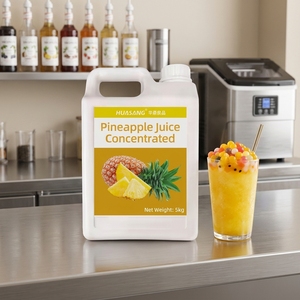
Concentrating fresh fruit juice to industrial specifications—typically ranging from 45° to 68° Brix depending on the botanical variety—demands multi-stage falling film vacuum evaporation. By reducing ambient pressure within the evaporation chambers, the boiling point of the natural fruit water content is drastically lowered. This process prevents thermal degradation of heatsensitive compounds, such as natural ascorbic acid (Vitamin C), volatile aroma esters, and key polyphenol antioxidants.
Our OEM/ODM processing plants implement closed-loop essence recovery systems. During the initial thermal concentration phase, top-note aromatic volatiles evaporate rapidly. Rather than discarding these critical flavor compounds, our volatile recovery columns capture, condense, and fractionate the aromatic essence. This fractionated natural aroma can subsequently be re-blended into the concentrate base (FTNF - From The Named Fruit) to guarantee authentic, freshly-squeezed sensory attributes upon industrial reconstitution.
Understanding the distinction between Original Equipment Manufacturing (OEM) and Original Design Manufacturing (ODM) is essential for procurement officers and formulation scientists:
Precision standardization of sugar-to-acid ratios tailored specifically to regional taste preferences and beverage application profiles, ensuring batch-to-batch consistency.
Multi-format industrial packaging capabilities including 5-gallon pails, 55-gallon steel drums with dual aseptic liners, 220-gallon bag-in-box, and 1000-liter bulk totes.
Strategically managed cold-storage facilities maintained at ultra-low temperatures (-18°C to -25°C) to preserve delicate enzyme complexes and natural pigment integrity.
Built upon half a century of processing heritage, our manufacturing framework guarantees complete traceability, regulatory adherence, and unmatched operational flexibility.
Procuring raw ingredients at an industrial scale requires absolute confidence in supplier verification, food safety culture, and supply chain continuity. Operating from our state-of-the-art facilities headquartered in Niles, Illinois, alongside affiliated strategic logistics centers, we provide an institutional-grade supply system tailored to global buyers.
| Ingredient Parameter | Frozen Juice Concentrates (FC) | Not-From-Concentrate (NFC) | Spray-Dried Juice Powders |
|---|---|---|---|
| Brix Range Standard | 45.0° – 68.0° Brix (High Density) | 8.0° – 14.0° Brix (Single Strength) | Moisture < 5.0% (Solid Powder) |
| Storage Requirements | Deep Frozen (-18°C / 0°F) | Chilled (0°C to 4°C) / Frozen | Ambient (Cool, Dry Warehouse) |
| Logistics Efficiency | Optimal (5x to 7x Volume Reduction) | Low (High Water Freight Cost) | High (Weight Reduction) |
| Sensory & Volatile Retention | High (With Essence Recovery) | Maximum Natural Profile | Moderate (Thermal Powder Loss) |
| Primary B2B Applications | RTD Beverages, Dairy, Jams, Syrups | Premium Cold-Pressed Juices | Dry Mixes, Nutraceuticals, Bakery |
| Shelf-Life Stability | 24 Months Frozen | 60–90 Days Chilled (Aseptic) | 18–24 Months Ambient Sealed |
Every single manufacturing lot undergoing process execution in our facility is subjected to rigorous Hazard Analysis and Critical Control Points (HACCP) protocols and overseen by certified Hazard Analysis and Risk-Based Preventive Controls (HARPC) qualified individuals. Our internal Quality Assurance Laboratory performs comprehensive analytical characterizations prior to release, including:
To support global enterprise compliance, our product inventory carries formal certifications across major international standard frameworks, including FSSC 22000, Kosher Certification, and ISA Halal Certification. Complete quality assurance dossiers, Certificates of Analysis (COA), Safety Data Sheets (SDS), and technical spec sheets are generated for every dispatch.
Strategic insights for purchasing directors, supply chain leaders, and formulation teams navigating the evolving regulatory and consumer landscape.
Global consumer markets are forcefully rejecting artificial preservatives, synthetic dyes, and added sugars. Industrial beverage formulators are actively replacing artificial flavor systems with 100% natural, single-origin concentrated fruit juice bases that deliver both color, acidity, and authentic fruit sweetness on the ingredient deck.
Extreme weather events and agricultural diseases (such as Citrus Greening / HLB) have created historic volatility in single-region fruit crops. OEM buyers are increasingly turning to multi-origin global blending programs. Partnering with suppliers with distributed sourcing networks stabilizes price structures and guarantees year-round supply continuity.
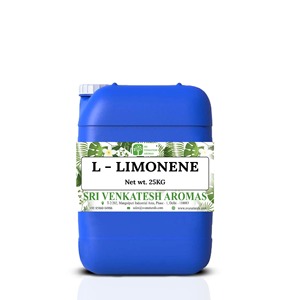
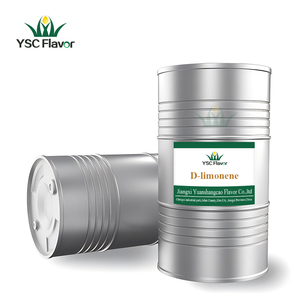
Sustainability targets are driving interest in zero-waste extraction. Industrial buyers are expanding beyond traditional juice solids to incorporate high-value peel fractions, essential oil cold-press fractions (such as 99% pure D-Limonene), and fruit pomace extracts rich in dietary fiber and naturally occurring flavonoids.
How technological advances in thermal reduction, cold membrane filtration, and enzyme engineering are reshaping fruit juice concentrates.
The global fruit concentrate manufacturing sector is undergoing rapid technological evolution. Traditional concentration methods relied heavily on prolonged thermal exposure, which compromised delicate sensory notes and darkened natural pigmentation. Modern OEM/ODM factories are adopting cutting-edge engineering solutions to elevate product quality:
To overcome heat-induced quality loss, state-of-the-art factories are integrating Reverse Osmosis (RO) and Nanofiltration (NF) as pre-concentration steps. By forcing water molecules through semi-permeable polymeric membranes at ambient temperatures under high hydraulic pressure, juice solids can be concentrated up to 25°–30° Brix prior to entering the thermal evaporator. This hybrid thermal-membrane process reduces total energy consumption by up to 40% while significantly retaining heat-sensitive aromatic ester profiles.
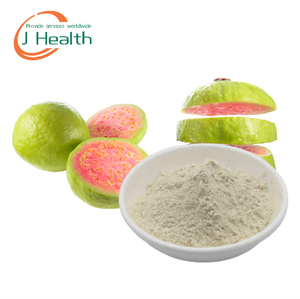
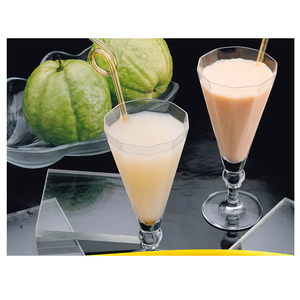
In high-pulp concentrates such as guava puree, mango concentrate, and apple pulp, naturally occurring pectins cause extreme viscosity spikes at elevated Brix levels. Advanced enzyme preparation systems utilizing pectin methylesterases and endo-polygalacturonases break down high-molecular-weight pectin polymers. This enzymatic treatment achieves controlled viscosity reduction, allowing higher concentration limits, superior heat transfer efficiency during pasteurization, and improved pumpability in client manufacturing facilities.
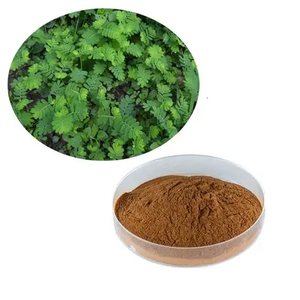
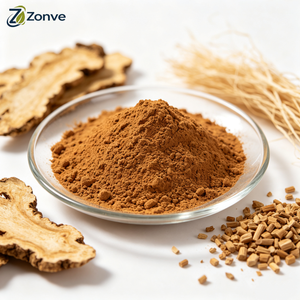
Consumer convergence between functional beverages, dietary supplements, and traditional juices has spawned the demand for Functional Fruit Base Systems. ODM factories are now co-processing high-antioxidant superfruits (such as red guava, acerola, and black currant) alongside botanical extracts (including Angelica Sinensis and Phyllanthin raw extracts). These standardized liquid pre-mixes allow beverage brands to launch functional wellness shots, immunity-boosting nectars, and nutraceutical drinks without managing complex multi-ingredient blending protocols.
Follow this streamlined technical workflow to fast-track sample approval, pilot production, and commercial contract execution.
Define target Brix, acidity percentage, pH, turbidity level, pulp/cell content, organic status, and target reconstitution ratio.
Request 500ml laboratory bench samples complete with batch COA, heavy metal testing, and pesticide residue screen analysis.
Verify compliance certificates including FSSC 22000, Kosher, Halal, FDA facility registration, and third-party audit reports.
Execute small-scale trial runs with low MOQ pail orders (5-gallon), establishing freight schedules and cold-chain routing.
Detailed answers to critical technical, logistical, and compliance questions asked by industrial buyers and food scientists.
Unlike traditional industrial processors that require multi-ton contract commitments, our facility maintains flexible production schedules. R&D trial batches and standardized stock items can be ordered in quantities as small as a single 5-gallon pail or 5-gallon bag-in-box. For proprietary custom OEM/ODM formulation development and specialized blending runs, minimums typically scale to single-drum or single-pallet orders depending on raw material rarity.
Reconstitution to single-strength juice is governed by standard Pearson Square or Brix dilution equations based on FDA 21 CFR 101.30 regulations. The standard formula is:
Weight of Water to Add = Weight of Concentrate × [(Concentrate Brix / Target Single-Strength Brix) - 1]
For example, converting a 65.0° Brix orange juice concentrate down to a 11.8° Brix single-strength standard requires adding approximately 4.51 parts of water by weight to 1 part concentrate.
We supply products in multiple food-grade and aseptic packaging options engineered for automated plant loading:
Our operations adhere strictly to international manufacturing standards. Our facility is certified under FSSC 22000 (Food Safety System Certification), fully incorporating ISO 22000 requirements and HACCP preventive safety frameworks. Furthermore, our concentrate line holds formal Kosher Certification and Halal Certification issued by the Islamic Services of America (ISA). Comprehensive audit certificates are provided upon contract initialization.
When maintained at ultra-low commercial deep-freeze conditions (-18°C / 0°F or colder), standard high-Brix frozen juice concentrates maintain sensory, chemical, and microbiological stability for 24 months from the date of manufacture. Aseptic-packed concentrates can be stored in ambient or chilled conditions prior to opening depending on product-specific Brix density and pasteurization regimes.
Yes. Our industrial co-packing division offers contract tolling and re-packaging services. Clients can ship high-volume bulk tanks, ISO tankers, 1000L totes, or 55-gallon drums to our facility. We execute pasteurization checks, standardized filtration, custom blending, and precision filling into smaller aseptic pails or bag-in-box containers featuring customer-specific private labeling and barcoding.
We utilize multi-stage vacuum falling film evaporators operating under high vacuum pressure, which drops water vaporization temperatures down to 45°C–55°C. Combined with integrated volatile essence recovery columns, escaping top-note aromatics are captured before heat exposure damages them. These aromatic fractions are stabilized and returned to the finished concentrate, maintaining authentic fresh-fruit sensory signatures.
Yes. To protect client supply chains against logistics bottlenecks, we maintain ready-to-ship inventory across a network of strategic cold-storage facilities located in key logistics hubs: Illinois, California, Florida, Ohio, Texas, Minnesota, Georgia, New Jersey, Nevada, and Massachusetts. This distributed network guarantees rapid dispatch and short transit times for regional production facilities.
Whether you require pilot R&D samples, contract custom blending, or full-scale commercial drum deliveries, our food scientists and supply chain experts are ready to assist.
Get Catalog