
Direct OEM factory sourcing for high-brix concentrates, aseptic vegetable pastes, and custom plant blends.

Analysis of technological shifts, consumer demand for clean-label formulation, and processing innovation in OEM vegetable puree concentrates.
The global market for industrial vegetable puree concentrates and OEM custom formulations is undergoing a structural transformation. Driven by consumer macro-trends toward clean-label food products, functional beverage bases, and sodium-reduced savory formulations, B2B food manufacturers are increasingly shifting away from synthetic flavor systems and low-density juices. Instead, the industry is pivoting toward high-viscosity, thermally stabilized vegetable purees that preserve biological nutrient profiles, natural pigmentation, and structural fiber matrices.
Modern processing facilities are implementing multi-stage low-temperature vacuum evaporation combined with mechanical vapor recompression (MVR). This minimizes thermal degradation, protecting heat-sensitive bioactive compounds like lycopene, beta-carotene, and natural vitamin C while maintaining target Brix levels up to 36-38%.
Industrial procurement teams now demand single-ingredient vegetable concentrates free from added sugars, artificial preservatives, or carrier synthetics. Enzymatic liquefaction and fine mesh clarification allow tailored pulp-content adjustment (from ultra-clear to full-bodied high-viscosity solids).
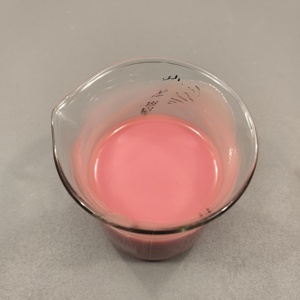
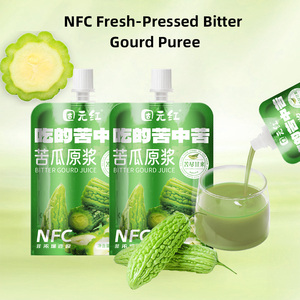
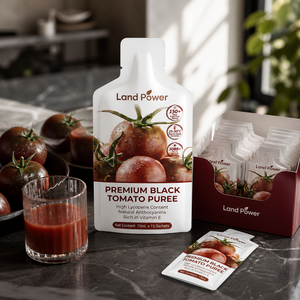
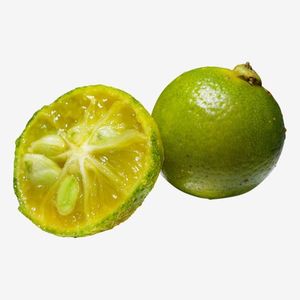
Vegetable purees are expanding beyond core culinary bases like tomato and carrot. Specialized plants—including bitter melon, black tomato, calamansi, and dark red beet—are rapidly growing in demand for functional wellness drinks, nutraceutical sachets, and meal-replacement smoothie matrices.
Key Market Insight: High-Brix OEM vegetable puree concentrates reduce global bulk freight costs by up to 65% compared to single-strength purees while providing institutional rehydration accuracy for downstream sauce, soup, and beverage copacking.
Vegetable purees exhibit complex non-Newtonian, pseudoplastic fluid behavior. During manufacturing, controlling shear rate, pectin retention, and insoluble fiber particle size distribution is critical for maintaining consistency. Industrial users require factory partners capable of measuring viscosity under standardized Bostwick consistometer values (e.g., tomato paste at 28-30 Brix requiring precise Bostwick readings between 4.5 cm and 7.0 cm per 30 seconds at 20°C). Maintaining these physical parameters prevents phase separation, syneresis, and batch-to-batch variation during commercial rehydration and aseptic filling.
Strategic purchasing framework for enterprise buyers, QA heads, and supply chain managers in the food and beverage industry.
As global agricultural supply chains face increasing climate volatility, inflationary input costs, and shifting geopolitical trade tariffs, corporate procurement teams must transition from transactional spot-market purchasing to multi-year strategic OEM partnerships. Custom OEM vegetable puree concentrate factories are adapting to supply chain disruption through tech-enabled transparency, contract farming, and advanced cold-chain logistics coordination.
Forward-thinking procurement relies on suppliers holding localized safety stock across key regional logistics nodes (e.g., Midwest USA, West Coast, Central Europe) to mitigate ocean freight lead times and guarantee short-notice order fulfillment.
B2B buyers are demanding complete audit trails from farm-gate to finished drum. ESG criteria now dictate that contract factories demonstrate water-stewardship practices, thermal energy recycling, and zero-waste crop utilization (upcycling pomace and peels).
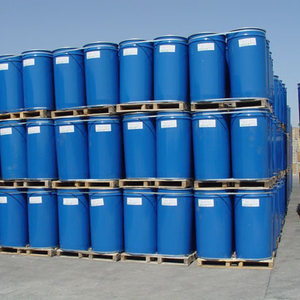
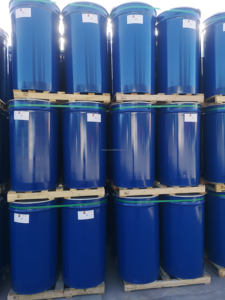
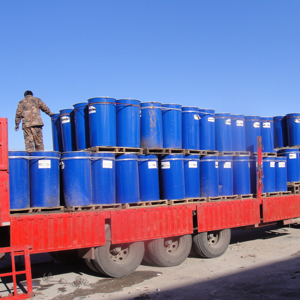
Procurement teams are balancing R&D innovation with mass production. Factories offering low minimum order quantities (from single 5-gallon pails for pilot testing up to multi-container 220L aseptic drum shipments) streamline scaling from development to launch.
Procurement Procurement Tip: Always verify that your OEM partner utilizes Cold-Break processing for fresh, aromatic profiles (e.g., bell pepper, cucumber, bitter melon) or Hot-Break processing (>92°C) when maximum pectin preservation and high viscosity are required (e.g., heavy tomato paste, pumpkin puree).
Built on over half a century of family ownership and operational continuity, our state-of-the-art processing facility provides comprehensive OEM, co-packing, and custom blending solutions for food, beverage, nutraceutical, and flavor manufacturers worldwide.
Whether you need pilot batch formulation, private label sachet filling, or contract drum packing, our engineering team works directly with your QA personnel.
Expert technical answers regarding vegetable puree concentrates, packaging integrity, shelf life, and factory processing standards.
Connect with our OEM technical sales experts today to request custom quotes, technical specifications, and lab samples.
Inquire Now