
Explore our FSSC 22000 & Halal certified strawberry purees, clarified concentrates, syrups, and soluble extracts for global food and beverage manufacturing.
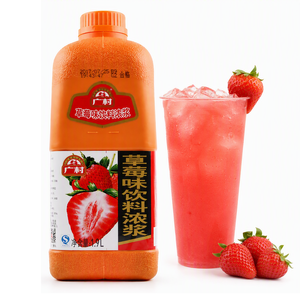
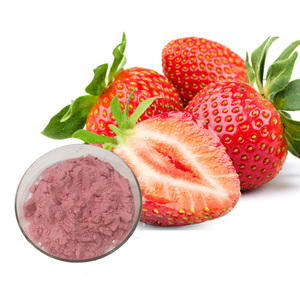
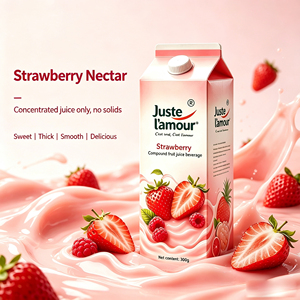
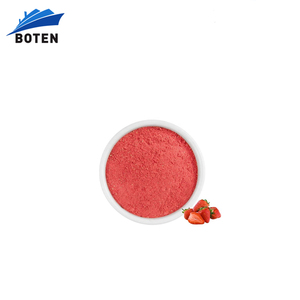
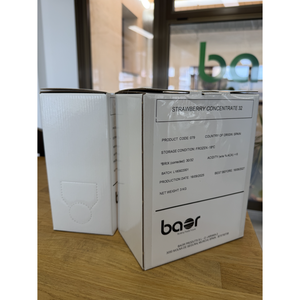
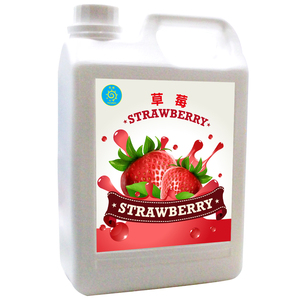
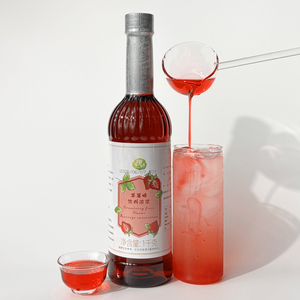
In global industrial food and beverage production, strawberry juice concentrate serves as one of the most critical naturally derived raw materials. Extracted primarily from high-yielding cultivars of Fragaria × ananassa (such as Senga Sengana, Camarosa, and Honeyoye), the process of reducing raw strawberry puree into standardized bulk concentrate requires rigorous thermodynamic precision to preserve volatile aromatic esters, thermolabile vitamin C (ascorbic acid), and delicate natural anthocyanin pigments.
As a leading Chinese supplier and direct manufacturer operating with decades of specialized fruit processing heritage, our manufacturing facilities integrate multi-stage low-temperature vacuum evaporation with automated aseptic cold-filling lines. Unlike standard heat-evaporated syrups that suffer from thermal degradation and browning reactions, our specialized falling-film evaporation operates under high vacuum pressures at temperatures below 55°C. This ensures that the natural Brix-to-acid ratio, fresh flavor matrix, and ruby-red color spectrum remain uncompromised.
Technical Insight for Procurement Directors: Standard clarified strawberry concentrate is generally standardized to 65° Brix, whereas unclarified puree concentrates remain at 30° to 32° Brix to preserve native insoluble solids, dietary fibers, and authentic mouthfeel essential for premium dairy and bakery filling applications.
| Parameter | Clarified Concentrate Standard | Pulpy Puree Concentrate Standard | Testing Methodology |
|---|---|---|---|
| Brix Level (°Bx) | 65.0 ± 1.0 °Bx | 30.0 - 32.0 °Bx | Refractometric (20°C IFU No. 8) |
| Titratable Acidity | 4.5% - 7.0% (as Citric Acid pH 8.1) | 1.8% - 3.2% (as Citric Acid) | Potentiometric Titration |
| Turbidity / Clarity | < 5.0 NTU (Clarified Grade) | Natural High Viscosity Pulp | Spectrophotometer (625nm) |
| Color Index (L*a*b*) | a* > +28.0 (Vibrant Anthocyanin Red) | a* > +22.0 (Natural Raw Red) | HunterLab Colorimeter |
| Microbiological Count | < 100 CFU/ml Total Plate Count | < 500 CFU/g Total Plate Count | ISO 4833-1 Standard |
Procuring raw fruit ingredients internationally involves navigating volatile agricultural crop cycles, stringent food safety mandates, and complex logistics chains. Our corporate operational framework—built upon half a century of family-owned processing expertise—delivers an integrated manufacturing ecosystem that addresses every vulnerability in wholesale ingredient procurement.
Every single batch undergoes rigorous analytical testing in our state-of-the-art laboratory before release, verifying heavy metal compliance, pesticide residues, microbial sterility, and physical Brix parameters.
We provide full documented compliance for global quality standards, holding active FSSC 22000 food safety management, Kosher certification, and ISA Halal certification to meet regional regulatory demands.
From flexible 5-gallon bag-in-box and 20kg pails for R&D trials to 275kg steel aseptic drums and bulk ISO totes, our flexible packing lines accommodate pilot formulation to commercial scale-up.
Eliminate inventory holding stress with our industry-leading low Minimum Order Quantity policy (available from single pails) backed by ready-to-ship inventory across multiple strategic logistics hubs.
Our formulation scientists masterfully blend strawberry concentrates with complimentary botanical juices, natural acidifiers, or natural flavors to match your precise Brix, acidity, and sensory profile targets.
Long-standing carrier partnerships enable seamless door-to-door, FOB, or CIF sea freight coordination, navigating cold-chain transport parameters to safeguard raw material stability.
The global demand for wholesale strawberry juice concentrate is expanding rapidly, driven by shifting consumer preferences toward clean-label food products, plant-based nutrition, and natural beverage innovations. As brand owners and beverage formulators overhaul their ingredient decks, four key macro-trends are shaping future procurement strategies:
Regulatory authorities in North America and Europe are imposing increasingly strict warnings on synthetic food colorants such as Allura Red (Red #40) and Carmoisine. Consequently, enterprise beverage processors are switching to naturally pigmented, high-anthocyanin strawberry concentrates. Our 65° Brix concentrated strawberry juice serves a dual functional role: providing foundational natural sweetness and acid balance while delivering an appetizing, naturally stable red hue without clean-label warnings.
Strawberry juice concentrate is no longer limited to traditional 100% juice blends or jam production. The rapid rise of functional RTD (Ready-To-Drink) beverages—including kombucha, sparkling probiotic waters, prebiotic botanical sodas, and hybrid tea drinks—has elevated demand for customized fruit bases. In milk tea and boba chains worldwide, strawberry nectar bases containing real fruit seeds and pulp are replacing artificial flavor syrups to meet consumer demand for authentic fruit textures.
Processing technology is undergoing a revolution in enzymatic clarification. Modern pectinase treatment protocols allow manufacturers to break down soluble pectins completely without altering natural flavor volatiles. This produces a crystal-clear 65° Brix concentrate that will not form haze or sediment in clear beverage bottles. Simultaneously, cold-pressed extraction technologies are growing in popularity for ultra-premium organic fruit SKUs.
Procurement directors are placing high priority on carbon footprint reduction. Transitioning from heavy glass or chilled liquid pails to highly concentrated 65° Brix aseptic bag-in-box systems significantly reduces shipping volume and refrigeration energy requirements during transport. Aseptic packaging allows long-term ambient storage prior to opening, shielding food manufacturers from seasonal price spikes and supply disruptions.
When selecting a wholesale direct manufacturer or contract supplier for bulk strawberry ingredients, quality control managers and purchasing agents should utilize a structured verification checklist to ensure batch-to-batch standardization:
1. Verify Anthocyanin Degradation & HMF Levels: Thermal abuse during concentration generates 5-Hydroxymethylfurfural (HMF), an indicator of burnt sugar notes and color degradation. Always request HPLC test reports confirming low HMF (< 20 mg/kg) and high active monomeric anthocyanin retention.
2. Assess Reconstitution Ratio Precision: For 100% single-strength equivalent labelling, calculate the single-strength Brix baseline (typically 8.0° Brix for raw strawberry juice according to AIJN standards). A 65° Brix concentrate yields a reconstitution factor of approximately 1:8.8 by weight, offering immense shipping economy.
3. Evaluate Cold-Chain vs. Ambient Stability: While fully clarified aseptic concentrates can be transported at ambient temperatures (under 20°C), unpasteurized or pulpy puree bases require strict frozen cold-chain storage at -18°C to prevent enzymatic oxidation and fermentation by wild yeasts.
4. Request Traceability Protocols: A qualified wholesale manufacturer must provide complete backward traceability—tracing every finished drum back through processing parameters to the specific agricultural farm lot and harvest window.
Find technical answers to common questions regarding minimum orders, packaging formats, custom formulations, and international shipping logistics.
We accommodate both trial pilot runs and full-scale commercial manufacturing. Our MOQ starts as low as a single 5-gallon (approx. 20kg) pail or bag-in-box for sample trials and R&D projects. For standard wholesale freight optimization, orders are typically fulfilled in 275kg steel drums (4 drums per pallet) or full container loads (FCL).
Our standard aseptic packaging formats include 20kg Bag-in-Box (BIB), 25kg plastic pails, 275kg aseptic drums with double poly-liners, and 1,000kg returnable liquid totes. Customer-specific co-packing, custom labeling, and white-label retail bottle packaging are also available upon request.
All processing operations comply strictly with HACCP principles and are audited under FSSC 22000 food safety management systems. Furthermore, our strawberry products hold active Kosher certification and Halal certification issued by ISA (Islamic Services of America), making them suitable for global distribution.
Yes. Our in-house research laboratory offers custom blending solutions. We can match your target specifications for Brix (e.g., 32°, 50°, or 65° Brix), adjust acid ratios using natural lemon concentrate, adjust viscosity, or add natural fruit pulps and seeds tailored to your specific beverage or dairy processing equipment.
Every production batch undergoes mandatory analytical testing. Our laboratory issues a detailed Certificate of Analysis (COA) detailing Brix, titratable acidity, pH, turbidity, color score, and micro-biology (total plate count, yeast, mold, coliforms). Samples are preserved for batch verification throughout the product's shelf life.
Aseptic 65° Brix clarified concentrate has a shelf life of 24 months when stored frozen (-18°C) or 12 to 18 months under chilled storage (0°C to 5°C). Unopened aseptic packs can tolerate brief ambient transit, but cold storage is recommended to retain optimal anthocyanin color and fresh aroma profiles long term.
Yes. Our global logistics team arranges complete ocean and air freight logistics, supplying all essential import/export documentation including Phytosanitary Certificates, Certificate of Origin, Bill of Lading, Packing Lists, and COA to guarantee smooth customs clearance at destination ports.