
Strategic Procurement Analysis: China Wholesale Pineapple Juice Concentrate Manufacturing & Global Supply Chain Insights
In the evolving landscape of industrial food and beverage production, securing a stable, high-purity, and cost-effective supply of pineapple juice concentrate (PJC) has become a priority for commercial beverage bottlers, boba milk tea franchises, dairy processing facilities, and flavor compounding houses. Pineapple juice concentrate serves as a cornerstone ingredient globally due to its balanced brix-to-acid ratio, vivid natural aroma, natural sweetening capacity, and functional enzymatic properties (specifically naturally occurring bromelain).
China's agricultural processing infrastructure, combined with advanced low-temperature vacuum evaporation and aseptic cold-filling technological lines, has positioned Chinese factories among the world’s most versatile manufacturing hubs for bulk fruit juice ingredients. This industry whitepaper delves into technical specifications, manufacturing standards, future procurement models, market trends, and quality verification protocols to guide professional sourcing directors and R&D formulators.
1. Technical Classification & Processing Standards of Wholesale Pineapple Juice Concentrates
Pineapple concentrate is not a uniform commodity; it is engineered into specific physical states and concentration levels based on end-use application requirements. Modern industrial manufacturers systematically process fresh pineapples (predominantly Ananas comosus varieties such as Smooth Cayenne, MD2 Gold, and Queen cultivars) into several distinct standard categories:
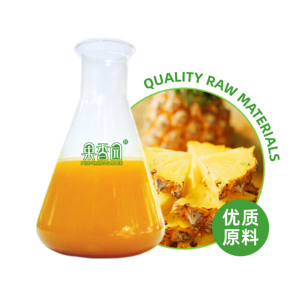
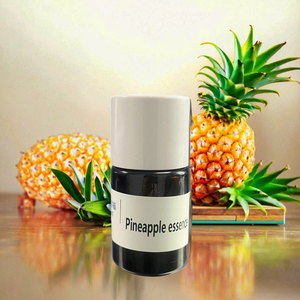
- Frozen Concentrated Pineapple Juice (FCPJ) 60°–65° Brix: Produced via multi-effect falling film evaporation under low temperature to retain delicate ester volatiles. It requires continuous deep-freeze storage (-18°C) and offers maximum aromatic fidelity for premium 100% single-strength RTD juices.
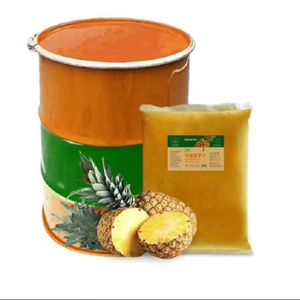
- Aseptic Concentrated Pineapple Juice 60° Brix: Thermal-sterilized and hot/cold packed into multi-layer aluminum aseptic bags inside steel drums or totes. This format provides ambient shelf-life stability (at 4°C–10°C storage), significantly reducing international cold-chain freight expenses.
- Clarified / Deionized Pineapple Juice Concentrate: Stripped of color, natural acids, and distinct fruit aromas using membrane filtration and ion-exchange technology. Used primarily as a clean-label natural liquid fruit sweetener in high-end confectionery and beverage matrices without altering the target flavor profile.
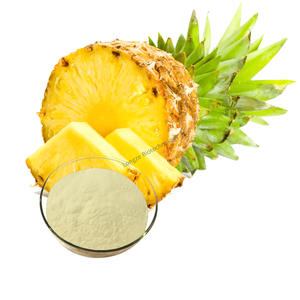
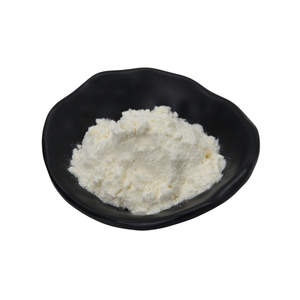
- Dehydrated & Spray-Dried Pineapple Juice Powder: Processed by atomizing concentrated juice with carriers (such as maltodextrin or acacia gum) to yield a free-flowing, instantly soluble powder ideal for dry beverage mixes, nutraceutical sachets, bakery coatings, and seasoning blends.
| Specification Metric | Standard Concentrate (60° Brix) | High-Ratio Blend Stock | Spray-Dried Powder |
|---|---|---|---|
| Brix Range (°Bx) | 60.0° – 65.0° Brix | 65.0° – 68.0° Brix | N/A (Moisture < 5.0%) |
| Titratable Acidity (% w/w) | 1.5% – 3.5% (as citric acid) | 2.5% – 4.5% (as citric acid) | 1.0% – 2.0% |
| Brix-to-Acid Ratio | 18.0 – 25.0 | 14.0 – 18.0 | Variable |
| Pulp / Insoluble Solids | 2.0% – 6.0% (v/v at 12° Bx) | < 2.0% (Clarified) | Completely Soluble |
| Primary Packaging | 275kg Drum / 25kg Bag-in-Box | Aseptic IBC Tote / Drums | 25kg Poly-lined Fiber Drum |
| Storage Conditions | Frozen (-18°C) or Chilled (<4°C) | Ambient (<20°C) or Chilled | Cool, Dry Ambient (<25°C) |
2. Enterprise Capabilities: Food Safety Certifications & Quality Engineering
When sourcing bulk fruit juice concentrates from China factories, procurement teams must verify rigorous compliance with international food safety initiatives (GFSI). Leading Chinese producers have established fully integrated, vertically controlled supply chains equipped with internal HACCP (Hazard Analysis Critical Control Point) testing facilities.
Our manufacturing and blending facility operations are underpinned by internationally recognized accreditation frameworks, guaranteeing seamless commercial clearance and regulatory acceptance across European, North American, Middle Eastern, and Asian markets:
- FSSC 22000 & BRCGS Certification: Ensuring robust risk management across automated processing lines, pasteurization protocols, and packaging hygiene.
- Kosher & ISA Halal Certifications: Certified by recognized religious authority boards to satisfy strict dietary and market access criteria globally.
- In-House HACCP Laboratory Verification: Every production batch undergoes comprehensive analytical testing covering Brix density, titratable acidity, pH, microbial counts (yeast, mold, E. coli), heavy metal residue, and pesticide screening prior to issuing the Certificate of Analysis (CoA).
- Low MOQ & Custom Blending Agility: Unlike rigid commodity traders, our operational structure supports small-batch trial orders (down to a single 5-gallon pail or 25kg bag-in-box) as well as customized Brix/acid formulation blending for custom beverage development.
3. Core Manufacturing & Supply Chain Advantages
Custom Brix & Acid Blending
Formulating tailor-made concentrate blends with controlled pulp levels and specific acid ratios engineered for RTD beverages, dairy, and bubble tea shops.
HACCP Quality Lab Tested
Every single batch undergoes rigorous lab validation for heavy metals, microbial safety, sensory profile match, and chemical stability before dispatch.
Aseptic Cold-Filling Systems
State-of-the-art aseptic processing lines lock in fresh aroma notes and vibrant yellow pigments while enabling cost-efficient ambient shipping formats.
Flexible Packaging Formats
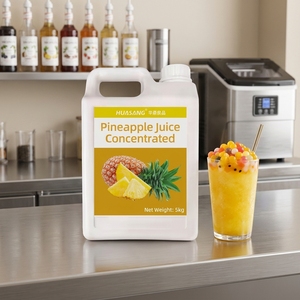
Supplied in 5-gallon pails, 20kg Aseptic Bag-in-Box (BIB), 275kg conical steel drums, or 1000kg aseptic tote containers for industrial convenience.
Rapid Short Lead Times
Strategic finished-goods inventory positioning allows immediate shipment of stocked items, keeping your automated production lines running seamlessly.
Co-Packing & Private Labeling
Full OEM service offering re-packing, customized label printing, master carton assembly, and custom recipe development for retail or foodservice clients.
4. Future Procurement Trends in the Global Pineapple Juice Market (2025–2030)
Strategic buyers must look beyond current contract pricing to understand systemic shifts shaping the global fruit ingredients sector over the next half-decade:
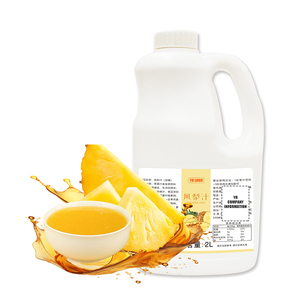
1. Demand Surge in Milk Tea & Specialized Beverage Franchises: The global proliferation of Asian-style fruit tea and Boba milk tea franchises has caused unprecedented demand for high-aroma, fruit-jam-infused pineapple concentrates. Formulators prefer concentrated syrups enriched with real pineapple sac pulp (such as our HENGZHI and YUECHUANXIANG series) to provide textural mouthfeel and authentic tropical notes without artificial additives.
2. Adoption of Clean-Label & Single-Origin Concentrates: Consumers actively scrutinize ingredient lists for added sugars, synthetic preservatives, and artificial colors. Future procurement contracts increasingly mandate 100% natural pure fruit origin, zero added sucrose, and non-GMO origin certification. Suppliers capable of offering transparent farm-to-factory supply chain tracking hold a decisive competitive edge.
3. Transition to Sustainable Aseptic Packaging Solutions: High ocean freight volatility and global carbon reduction mandates are pushing buyers away from heavy frozen drum shipments toward aseptic Bag-in-Box (BIB) and reusable IBC totes. Ambient-stable aseptic fruit ingredients dramatically shrink energy overhead by eliminating constant cold-storage energy consumption during ocean transport.
4. Enzymatic Utilization in Functional & Nutraceutical Formulations: Beyond basic juice hydration, health-conscious consumers favor pineapple concentrates for their digestive enzyme profile (bromelain), vitamin C content, and natural anti-inflammatory qualities. As a result, spray-dried pineapple juice extracts and high-purity concentrate powders are rapidly entering functional dietary supplement capsules, protein shake mixes, and wellness shot formulations.
5. Application Benchmarks Across Industrial Formulations
Pineapple juice concentrate acts as a versatile building block across diverse manufacturing matrices. R&D formulators utilize its chemical properties to solve formulation challenges:
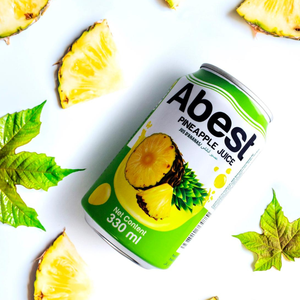
- RTD Juice Bottling & Nectars: Reconstituted with water back to a single-strength juice benchmark of 12.8° Brix. Its naturally high acidity acts as a natural flavor enhancer when blended with sweeter juices like apple or white grape.
- Bubble Tea & Foodservice Syrups: Combined with fresh pineapple pulp pieces and pectin to create stable fruit syrups that withstand high shear during commercial drink preparation.
- Dairy & Frozen Confectionery: Utilized in fruit-on-the-bottom yogurt syrups, sorbets, and popsicles. Thermally inactivated concentrates prevent protein curdling while delivering vibrant tropical flavor.
- Bakery, Glazes & Savory Sauces: Applied in commercial glazes, sweet-and-sour culinary sauces, and meat tenderizer marinades due to its low pH and complementary sugar-acid spectrum.