
Direct supply line of standardized fruit concentrates, spray-dried powders, and specialty aromatic bases managed under FSSC 22000 & HACCP quality systems.

A comprehensive analysis for R&D directors, procurement officers, and beverage formulators seeking high-potency Sambucus nigra and Sambucus canadensis extracts from primary Chinese origin manufacturers.
In the evolving landscape of global functional beverages, botanical supplements, and natural food colorants, China wholesale elderberry juice concentrate exporters have transitioned from low-cost raw material suppliers to high-precision botanical extraction powerhouses. Modern industrial B2B procurement demands far more than nominal Brix metrics; it requires verified chromatographic profiles, strict heavy metal compliance, thermolabile bioactive retention, and total supply chain traceability.
Elderberry concentrate (derived primarily from Sambucus nigra L. or Chinese native cultivars such as Sambucus williamsii Hance) is prized globally for its rich composition of polyphenols, particularly cyanidin-3-glucoside, cyanidin-3-sambubioside, and quercetin glycosides. As a leading primary exporter, our manufacturing infrastructure employs multi-stage low-temperature vacuum evaporation combined with specialized enzymatic clarification and membrane ultrafiltration to deliver standardized 65° Brix concentrate with exceptional clarity and uncompromised immunomodulatory efficacy.
| Analytical Parameter | Specification Target | Test Method / Protocol | Commercial Relevance |
|---|---|---|---|
| Soluble Solids (Brix) | 65.0° ± 1.0° Brix at 20°C | Refractometric (IFU No. 8) | Standardized dosage calculation for beverage dilution |
| Total Acidity (as Citric Acid) | 3.0% – 5.5% (w/w at pH 8.1) | Titrimetric (IFU No. 3) | Determines sensory balance and acidulant addition needs |
| Total Anthocyanins | ≥ 3,000 mg/kg (≥ 0.3% w/w) | pH Differential Method (AOAC 2005.02) | Primary biomarker for antioxidant potency and label claims |
| Turbidity (NTU) | < 20 NTU (at 12° Brix dilution) | Nephelometric (Clarified Grade) | Prevents haze formation in clear functional RTD beverages |
| Pesticide Residues | Below EU / US FDA MRL Limits | LC-MS/MS & GC-MS/MS Screen | Guarantees clean-label compliance in regulatory markets |
| Heavy Metals (Pb, Cd, As, Hg) | Pb < 0.2ppm, As < 0.1ppm, Cd < 0.1ppm | ICP-MS (EN 13804) | Strict compliance for infant food and nutraceutical applications |
| Microbial Standard | TPC < 1,000 CFU/g, Yeast/Mold < 100 CFU/g | ISO / AOAC Standard Methods | Ensures commercial sterility post-aseptic filling |
Thermal degradation of anthocyanins occurs exponentially above 65°C. Our export processing plants utilize falling-film evaporator arrays under deep vacuum (< 0.085 MPa), keeping thermal residence times under 90 seconds at lower boiling temperatures (45°C–52°C).
Natural elderberry fruit contains high levels of pectin causing post-bottling gelling. We implement dual-stage pectolytic and amylolytic enzyme treatments to yield a crystal-clear concentrate optimized for high-speed automated bottling lines.
Utilizing high-temperature short-time (HTST) aseptic flash pasteurization (108°C for 30 seconds) integrated with computerized aseptic filling into 200L aluminum foil bag-in-drums or 1000L IBC totes under class 100 sterile environments.
Key economic drivers, raw material price trajectories, and formulation trends transforming the wholesale elderberry ingredient market.
Global beverage giants are systematically removing synthetic colorings (Red No. 40, Allura Red) and high-fructose corn syrups from functional soft drinks. Elderberry concentrate acts as both a premium natural colorant (providing intense ruby-red to deep violet hues depending on product pH) and a sugar-free health component. Exporters in China are seeing an 85% surge in requests for non-GMO, zero-added-sugar, allergen-free fruit concentrates.
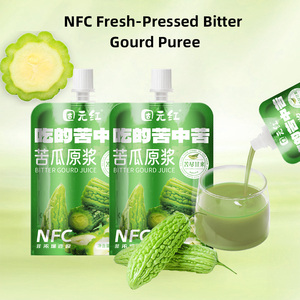
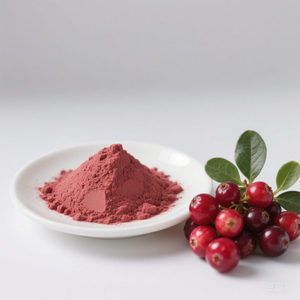
Single-ingredient products are giving way to complex botanical synergies. Formulators are combining China-sourced elderberry juice concentrate with complementary bioactives—such as cranberry extract powder, bitter melon puree, and citrus terpene complexes—to create multi-target wellness products (immune support + glycemic management + urinary tract health).
Fluctuations in European elderberry harvests caused by erratic climate conditions have prompted global brands to diversify their raw material sourcing. China’s agricultural regions in Heilongjiang, Jilin, and Shaanxi have established dedicated cultivation zones with automated harvesting and rapid cold-chain transport. This agricultural infrastructure protects international buyers from sudden price spikes and volume shortfalls.
Rising global reefers shipping costs are driving enterprise buyers away from heavy frozen pail shipments toward aseptic Bag-in-Box (BIB) and aseptic drum packaging. Ambient-stable aseptic elderberry concentrate cuts freight-related carbon footprints by up to 35% while eliminating cold storage expense until the container is unsealed at the bottling facility.
Combining primary origin cost advantages with rigorous Western regulatory oversight, custom blending flexibility, and reliable low-MOQ programs.
Our processing sites maintain complete international documentation including FSSC 22000 food safety certification, Kosher certification, and ISA Halal certification. COA documentation accompanies every production lot.
We operate in-house blending laboratories to adjust Brix levels, pH parameters, acidity profiles, or combine elderberry juice with apple, cranberry, or blueberry concentrates to match your exact proprietary formulation requirements.
We support R&D trials, pilot batches, and commercial runs with low minimum order quantities starting from a single 5-gallon pail or 25kg bag-in-box, ranging up to 25-ton full container loads (FCL).
Send us your intermediate bulk materials, tanks, or drums, and our automated co-packing facility will re-pack them into smaller end-user pails or sterile aseptic bag-in-box containers under custom customer branding.
Every single batch undergoes high-performance liquid chromatography (HPLC), spectro-photometric anthocyanin assays, heavy metal ICP-MS screening, and micro-biology testing before issuing release certificates.
Eliminate global freight headaches. Our dedicated logistics desk coordinates refrigerated reefer containers, sea-freight customs clearance, duty documentation, and door-to-door delivery right to your plant line.
Essential guidance for purchasing agents, regulatory specialist teams, and food scientists.
We pride ourselves on offering one of the most flexible MOQ policies among primary exporters in China. For standardized 65° Brix elderberry juice concentrate, trial orders and R&D batches can be requested in quantities as low as a single 25kg Bag-in-Box (BIB) or 250kg aseptic drum. For customized blends or specialized Brix targets, minimums start at 1,000 kg.
Anthocyanins are sensitive to elevated temperatures, light exposure, and oxygen. We mitigate degradation by utilizing multi-layer aluminum-barrier aseptic packaging filled under nitrogen flush. For non-aseptic standard pails or drums, we arrange temperature-controlled reefer sea-freight set to -18°C. Aseptic formats can be shipped via standard ambient ocean freight up to 25°C without compromising biological stability over a 24-month shelf life.
We support a broad spectrum of commercial receiving setups:
Every commercial lot is supplied with a comprehensive Certificate of Analysis (COA) issued by our accredited laboratory. Our production facilities hold FSSC 22000, ISO 22000, HACCP, Kosher, and ISA Halal certifications. Pesticide residue screens (covering over 400 compounds) and heavy metal analysis reports (ICP-MS) are updated annually per harvest batch.
Yes. Our product development lab routinely formulates proprietary custom juice blends. Common combinations include Elderberry + Cranberry (for enhanced urinary/immune health), Elderberry + Apple juice concentrate (to optimize target Brix/acid balances at lower cost points), and sugar-free vegetable puree bases. We can adjust titratable acidity, Brix, color intensity, and flavor intensity to meet your target cost-per-gallon.
Standard single-strength elderberry juice typically ranges between 7.0° and 9.0° Brix. To dilute 65° Brix elderberry concentrate back to 8.0° Brix single-strength juice, use the Pearson Square formula or dilute 1 part concentrate by weight with approximately 7.12 parts water. Our technical applications team provides exact dilution matrices tailored to your formulation's target acidity and solids profile.
For standard stocked concentrates (65° Brix Elderberry, Cranberry powder, Blueberry concentrate), orders are dispatched within 5 to 7 business days from order confirmation. Custom blends and specialized packaging require 14 to 21 days for production, lab release, and container loading. Ocean transit times vary by destination port (e.g., US West Coast: 14–18 days, US East Coast: 28–35 days, Europe main ports: 25–30 days).
Partner with a leading China wholesale elderberry juice concentrate exporter. Contact our technical sales team for custom formulations, safety certificates, and factory-direct pricing.
Get Catalog