
Explore our premium-grade beverage bases, standardized extracts, high-Brix purees, and cold-pressed citrus terpenes engineered for food processing, flavor houses, and pharmaceutical manufacturing.
In the contemporary B2B food, beverage, and flavor ingredient landscape, procurement directors face unprecedented volatility. Climate-induced crop disruptions in traditional citrus-producing hubs across the Mediterranean basin and South America have altered price-performance dynamics. Concurrently, global consumer demand for clean-label acidity, organic lemon purees, and citrus-derived natural terpenes has surged.
This technical whitepaper presents a deep dive into the operational metrics, biochemical profiling, quality assurance protocols, and future market trajectories defining China's top lemon juice concentrate manufacturing sector. Designed strictly for technical buyers, head formulation chemists, quality assurance (QA) auditors, and enterprise supply chain executives, this guide serves as an authoritative benchmark for evaluating industrial citrus suppliers.
Building upon over half a century of heritage in fruit and vegetable processing, our integrated manufacturing facilities bridge raw agricultural harvest with ultra-precise industrial processing. Unlike basic trading entities, an established premier China factory controls the entire value chain—from orchard-level harvest selection to aseptic packaging line validation.
Our in-house analytical testing center operates under rigorous HACCP guidelines. Every single batch undergoes High-Performance Liquid Chromatography (HPLC) for organic acid validation, Gas Chromatography-Mass Spectrometry (GC-MS) for terpene profiling, and automated microbiological screening before Certificate of Analysis (CoA) release.
Facilities hold top-tier food safety and religious audit credentials including FSSC 22000 (GFSI Recognized), Kosher Certification, and ISA Halal Certification. Full documentation is instantly accessible to streamline vendor onboarding and regulatory compliance across North America, Europe, and the Middle East.
Recognizing the diverse operational needs of R&D pilot trials versus commercial beverage lines, we maintain industry-leading low Minimum Order Quantities (MOQs)—allowing purchases as small as a single 5-gallon pail or aseptic bag-in-box, up to full-container load (FCL) drum shipments.
The matrix below outlines standard technical parameters for enterprise procurement evaluation:
| Product Specification Class | Brix Degree (°Bx) | Total Acidity (GPL Citric Acid) | Pulp Content (%) | Primary Application Segment | Standard Packaging Formats |
|---|---|---|---|---|---|
| Clarified Lemon Juice Concentrate 400 GPL | 45.0° - 50.0° | 390 - 410 g/L | < 0.5% (Fine Filtered) | Clear Beverages, RTD Teas, Hard Seltzers | 250kg Aseptic Drum / 25kg Bag-in-Box |
| Cloudy Lemon Juice Concentrate (Pulp-Stable) | 40.0° - 48.0° | 320 - 360 g/L | 4.0% - 9.0% (Cell Restored) | Lemonades, Nectars, Citrus Mixers | 200kg Cold-Chain Drum / 5-Gal Pail |
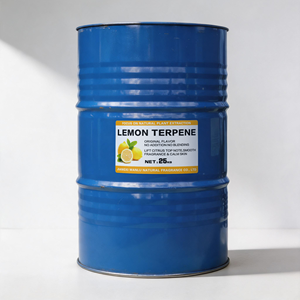
| 100% Pure Natural Lemon Terpene (CAS 84292-31-7) | N/A (Essential Oil Derivative) | N/A (>95% D-Limonene Profile) | 0% (Distilled Liquid) | Flavors, Fragrances, Green Solvents | 180kg Steel Drum / High-Density HDPE Pail |
| Organic Lemon Puree (Single Strength / Concentrate) | 8.0° - 12.0° (Single) | 45 - 65 g/L | 100% Whole Fruit Puree | Bakery Fillings, Dairy, Baby Food, Desserts | 200kg Aseptic Bag-in-Drum |
Strategic sourcing managers cannot evaluate lemon concentrate purely through spot-market pricing. Long-term formula viability requires adapting to five macro procurement shifts currently re-shaping global supply networks:
Global beverage giants are abandoning simple Brix measurements in favor of Grams Per Liter (GPL) anhydrous citric acid equivalent. Purchasing based on acid-yield guarantees consistent tartness impact across variable reconstitution ratios.
Single-region sourcing is now recognized as a high-risk supply chain strategy. Formulators are establishing dual-origin validation—incorporating Chinese lemon concentrate alongside South American stock to hedge against extreme climate events.
Leading environmental metrics require suppliers to demonstrate zero-waste fruit utilization. Modern processing plants capture steam-distilled lemon terpenes (CAS 84292-31-7) and peel pectin simultaneously with juice concentration.
Consumers reject synthetic acidulants (E330) and artificial flavor boosters. Natural lemon concentrate provides functional preservation, pH control, and authentic fruit profile—fulfilling clean-label consumer mandates.
China's rapid emergence as a world-class exporter of citrus concentrates is rooted in heavy capital investment in advanced food engineering. Historical concerns regarding thermal degradation or off-flavor generation have been entirely solved by high-tech processing lines.
Traditional citrus processing subjected whole fruits to harsh mechanical pressure, releasing bitter limonin and excessive peel oil into the juice stream. Advanced Chinese facilities utilize soft-squeeze membrane extractors followed by rapid chilling (Cold-Break). For clarified concentrates, precise pectinase enzymatic treatment destabilizes natural pectin suspensions without damaging delicate volatile ester molecules, resulting in high clarity (>95% transmittance at 660nm) without scorch notes.
Thermally Accelerated Short Time Evaporators (TASTE) operate under high vacuum conditions. By boiling off moisture at low temperatures (below 55°C), thermal degradation of ascorbic acid (Vitamin C) and natural fruit sugars is minimized. Integrated aroma recovery units capture volatile citrus essence during initial flashing, re-infusing natural lemon top-notes back into the concentrated base before filling.
To ensure micro-stability across global ocean transit without relying on chemical preservatives, modern processing ends with ultra-high-temperature flash sterilization (UHT: 98°C for 30 seconds) followed by sterile ambient packaging. Product is packed into sterile 55-gallon multi-layer barrier bags housed inside reinforced steel drums or bag-in-box systems, guaranteeing a 24-month unopened shelf life when stored under recommended ambient/refrigerated temperatures.
To accelerate technical evaluation and sample matching, procurement managers should follow a standardized 4-step specification framework when contacting factory application specialists:
Determine target Brix (°Bx), minimum Acidity (GPL), acceptable Pulp percentage, and color transmittance values required for your specific formulation.
Confirm mandatory documentation requirements: FSSC 22000, ISO 22000, Kosher, Halal, Non-GMO declarations, or Heavy Metal / Pesticide residue screening sheets.
Choose between 5-gallon pails for small batching, 25kg Bag-in-Box for standard factory dosing, or 250kg Aseptic Steel Drums for high-volume automated lines.
Determine preferred Incoterms (FOB Shanghai/Qingdao, CIF destination port, or DDP plant) and establish cold-chain vs ambient shipping requirements.
Headquartered with strategic agronomic partnerships across China's prime lemon growing regions, our manufacturing network combines regional agricultural scale with localized distribution support. Our customer service and technical logistics teams simplify global procurement by managing all freight routing, customs documentation, and quality validation under one roof.
Strategic inventory holding points ensure ready-to-ship availability of high-demand items, drastically shortening lead times for emergency production runs or quick R&D trials:
Below are analytical answers to the most common technical questions raised by enterprise buyers, food scientists, and global procurement teams when evaluating China lemon concentrate factories:
Brix (°Bx) measures total dissolved solids (both fruit sugars and organic acids) in a liquid. GPL (Grams Per Liter) specifically quantifies total titratable acidity expressed as anhydrous citric acid. In lemon juice concentrate, because acid is the primary functional attribute, commercial pricing and standardization are based on GPL (e.g., 400 GPL concentrate contains 400 grams of pure citric acid per liter of concentrate). Brix is secondary, typically ranging between 45° and 50° for standard 400 GPL products.
We offer one of the most flexible MOQ policies in the industrial fruit ingredient sector. For formulation testing, flavor matching, and pilot plant trials, buyers can order quantities as small as a single 5-gallon pail (approx. 25kg) or one aseptic bag-in-box. Commercial orders can seamlessly scale from multi-pallet LCL shipments to 20-foot Full Container Loads (FCL) containing 80 aseptic steel drums (approx. 20 metric tons).
Our manufacturing facilities operate under FSSC 22000 (GFSI Recognized) food safety management systems. Every shipment is accompanied by a batch-specific Certificate of Analysis (CoA) issued by our HACCP-certified quality laboratory. Religious compliance documentation—including Kosher certification and ISA Halal certification—is provided standard with all bulk orders upon request.
Cloudy Lemon Concentrate retains natural citrus pulp cells and insoluble pectins, providing an authentic turbid appearance, rich mouthfeel, and strong cloud stability ideal for traditional lemonades, juice nectars, and squashes. Clarified Lemon Concentrate undergoes enzymatic depectinization and micro-filtration to remove all pulp particles, rendering a crystal-clear liquid base designed specifically for hard seltzers, clear RTD beverages, flavored syrups, and pharmaceutical formulations where sedimentation is unacceptable.
Yes. Our application engineering team specializes in custom blending solutions. We can adjust acid-to-sugar ratios, re-introduce specific cell pulp volumes, blend lemon concentrate with lime or other botanical extracts, or adjust viscosity to match your production line’s automated dosing equipment.
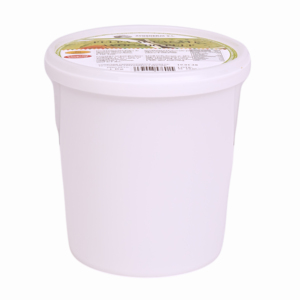
Standard packaging includes 25kg aseptic bag-in-box, 25kg heavy-duty food-grade HDPE pails, and 250kg aseptic multi-layer barrier bags packed inside steel drums. Unopened aseptic packaging stored at recommended temperatures (frozen at -18°C for long-term flavor retention, or refrigerated at 0–4°C for high-acid concentrates) maintains a verified shelf life of 24 months from the date of manufacture.
Our dedicated international logistics department handles complete export clearance, bill of lading documentation, phytosanitary certification, and certificate of origin issuance. We partner with top-tier global shipping lines to arrange FOB, CIF, or DDP delivery straight to your factory door, eliminating supply chain complexity for your procurement team.
Partner with China’s premier lemon concentrate exporter. Contact our technical sales team today to request custom product specifications, pricing matrices, or sample pails for formulation testing.