
Standardized, non-GMO, and FSSC 22000 certified raw materials directly from verified manufacturing facilities. Engineered for beverages, dairy, confectionery, and flavor applications.
Leveraging over half a century of expertise in fruit processing, custom blending, and aseptic packaging to support multi-national food & beverage brands.
Fully compliant facilities holding FSSC 22000, Kosher, and ISA Halal certifications, guaranteeing audit-ready compliance for overseas markets.
State-of-the-art aseptic lines packing juices and purees into bag-in-box, drums, and totes, guaranteeing ambient shelf stability without preservatives.
Precision liquid blending of juices, purees, acidity regulators, and sweeteners tailored to meet specific Brix, pH, and flavor profiles.
Every single production batch undergoes rigorous analytical testing for Brix, titratable acidity, micro-biology, and heavy metals prior to release.
Supporting pilot launches, R&D formulations, and seasonal production runs with ordering units starting as low as a single 5-gallon pail.
End-to-end refrigerated and dry freight supply chain management, offering cold-chain tracking and seamless clearance to international ports.
An In-Depth Technical Analysis of Processing Methodologies, Supply Chain Dynamics, Quality Assurance Protocols, and Next-Generation Beverage Formulations (2026–2030).
The global industrial fruit juice ingredients market has underwent a fundamental structural transformation. Modern procurement teams in beverage manufacturing, dairy processing, and flavor compounding no longer evaluate suppliers solely on spot-market pricing. Today's global procurement framework prioritizes Brix stability, analytical trace-ability, microbial safety, and climate-resilient multi-region sourcing.
As primary fruit-growing regions encounter volatile weather patterns, top-tier Chinese industrial manufacturers have scaled up processing facilities featuring ultra-modern multi-stage flash evaporation, enzyme treatment systems, and aseptic cold-filling lines. By converting fresh agricultural crops into high-Brix concentrated liquids, purees, and spray-dried powders within hours of harvest, suppliers ensure maximum retention of native ascorbic acid, natural pigments, and volatile flavor profiles.
Navigating industrial juice procurement requires a precise understanding of the thermodynamic and physical properties of each raw material category:
| Ingredient Category | Standard Brix Range | Titratable Acidity (%) | Storage Temperature | Primary Food Industry Application |
|---|---|---|---|---|
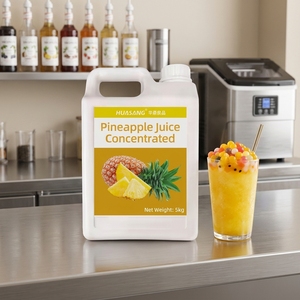
| Clarified Pineapple Concentrate | 60.0° – 65.0° Brix | 1.5 – 3.5 (as Citric) | -18°C Frozen / 4°C Cold Chain | RTD Beverages, Fruit Jams, Reconstituted Juices |
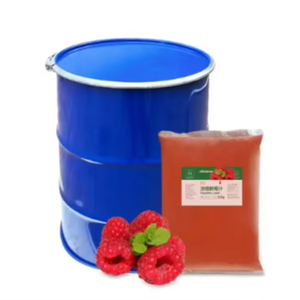
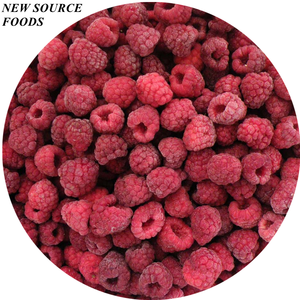
| Frozen Raspberry Concentrate | 65.0° ± 1.0° Brix | 6.0 – 12.0 (as Citric) | -18°C Deep Frozen | Craft Brewing, Premium Confectionery, Dairy Surfaces |
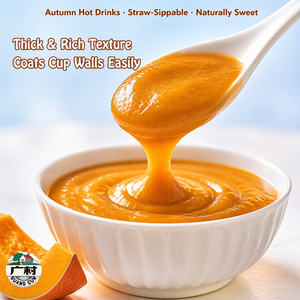
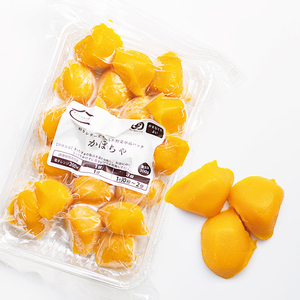
| Aseptic Pumpkin Puree / Paste | 8.0° – 12.0° Brix | 0.1 – 0.5 (as Lactic/Citric) | Ambient (<25°C) / 4°C opened | Milk Tea Shops, Bakery Fillings, Soups & Sauces |
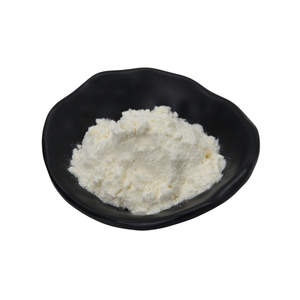
| Spray-Dried Pineapple Powder | Hygroscopic Powder | 1.0 – 2.5 (Reconstituted) | Ambient Dry (<20°C, RH <60%) | Nutraceutical Sachets, Dry Mixes, Confectionery Coatings |
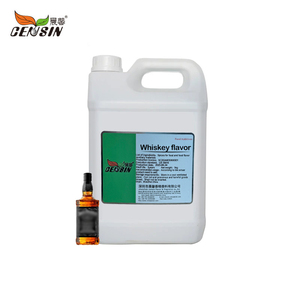
| Crude/Fractionated Citrus Oils | Essential Oil Standard | N/A (Terpene Content Focus) | 4°C Dark Storage | Flavor Compounding, Fine Fragrance, Beverage Emulsions |
B2B buyers facing stringent clean-label requirements and changing consumer preferences must adapt their raw material procurement strategies according to four primary macro trends:
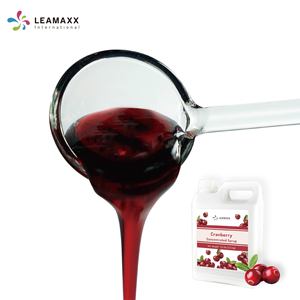
A. Sugar Reduction via Natural High-Acid Blends: With global sugar taxes expanding, beverage formulators are replacing synthetic sweeteners and high-fructose corn syrup (HFCS) with low-Brix, high-acidity natural fruit concentrates. Formulations leveraging sour cherry, red raspberry, and high-acid citrus allow brands to clean up labels while maintaining a balanced sugar-to-acid sensory curve.
B. Demand for Aseptic Logistics over Deep-Freeze Storage: Cold-chain energy costs continue to fluctuate. Industrial procurement is shifting rapidly toward aseptic bag-in-box and aseptic tote packaging. Flash-pasteurized juice ingredients packed in sterile barrier bags allow up to 18 months of ambient storage, slashing logistics overhead and carbon footprints.
C. Functional & Botanical Fusion: The boundary between beverage and nutraceutical industries is blurring. Ingredients rich in bio-active compounds—such as anthocyanin-dense berry concentrates and pumpkin purees rich in carotenoids—are being blended directly with botanical extracts (e.g., green tea, ginseng, and floral distillates) for functional wellness drinks.
D. Rigorous Heavy Metal & Pesticide Traceability: Global regulatory agencies (including the US FDA, EFSA, and China SAMR) have lowered acceptable threshold limits for heavy metals (Lead, Arsenic, Cadmium) and multi-residue pesticides. Modern industrial buyers now require supplier lot-specific Certificate of Analysis (CoA) verified by independent ISO 17025 accredited testing laboratories.
Answers to key technical, operational, and commercial questions asked by procurement directors, quality assurance managers, and beverage technologists.
Request technical specification sheets, CoA records, sample kits, or custom quotation pricing tailored to your production schedule.
Get a Quote