
Our state-of-the-art manufacturing partners deliver non-GMO, fully certified fruit and vegetable solutions engineered for beverage compounding, dairy systems, nutraceutical formulations, and industrial clean-label applications.
As the global beverage, food, and functional nutrition industries shift aggressively toward clean-label ingredients, natural colorants, and nutrient-dense formulations, carrot juice concentrate (Daucus carota) has emerged as a cornerstone raw material. China has solidified its position as the world's leading producer and exporter of high-Brix carrot juice concentrates, leveraging vast agricultural belts across Shandong, Inner Mongolia, Gansu, and Xinjiang. These regions provide ideal climatic conditions—high diurnal temperature variations, fertile alluvial soils, and controlled irrigation—resulting in carrots with superior sensory profiles, vibrant natural beta-carotene pigments, and exceptionally high soluble solids.
Modern B2B procurement managers and R&D directors face a complex landscape characterized by volatile crop yields, stringent EU/FDA pesticide maximum residue limits (MRLs), and rising demand for functional standardization. Partnering with top-tier Chinese manufacturing factories enables enterprise buyers to lock in cost-effective, multi-seasonal contracts while maintaining uncompromising food safety standards backed by FSSC 22000, BRCGS, Kosher, and Halal certifications.
Key Takeaway for B2B Procurement: China’s top carrot processing facilities utilize low-temperature multi-stage falling film evaporation and continuous aseptic filling technologies. This preserves up to 92% of naturally occurring carotenoids and thermal-sensitive sensory notes while delivering a standard commercial 65° Brix liquid concentrate ideal for high-speed automated reconstitution lines.
The quality of carrot juice concentrate is fundamentally dictated by agronomic variables. Leading Chinese processors partner with contract farming cooperatives that cultivate high-yield, deep-orange carrot cultivars such as Kuroda and Flakee varieties. These cultivars are prized for their low fiber residue, reduced bitterness, and exceptionally rich carotenoid profiles. Harvesting is synchronized with peak sugar accumulation to optimize natural sweetness and minimize the need for exogenous acidity adjustment during processing.
For research and development scientists as well as quality assurance auditors, full analytical transparency is mandatory. Below is the technical specification matrix governing Grade-A Chinese Clarified and Clouded (Natural Turbidity) Carrot Juice Concentrates intended for export into North America, Europe, and the Asia-Pacific region.
| Quality Parameter | Standard Specification (Clouded) | Clarified Specification (Depectinized) | Testing Methodology |
|---|---|---|---|
| Brix (Soluble Solids at 20°C) | 65.0° ± 1.0° Brix | 65.0° ± 1.0° Brix | Refractometric (ISO 2173) |
| Total Acidity (as Citric Acid pH 8.1) | 0.8% – 1.8% w/w | 0.6% – 1.5% w/w | Titrametric (IFU No. 3) |
| pH Value | 5.2 – 6.0 | 5.0 – 5.8 | Potentiometric (pH Meter) |
| Color / Absorbance (440 nm) | Vibrant Deep Orange / Red-Orange | Clear Amber-Orange (Abs > 0.8) | Spectrophotometric |
| Turbidity (NTU) | Natural Suspended Solids (> 500 NTU) | < 20 NTU (Ultra-filtered) | Nephelometric Turbidimeter |
| Total Beta-Carotene Yield | ≥ 150 mg / kg (Concentrate) | ≥ 40 mg / kg (Clarified) | HPLC Analysis |
| Heavy Metals (Pb, As, Cd, Hg) | Pb < 0.05 mg/kg, As < 0.1 mg/kg | Compliant with EC 1881/2006 | ICP-MS Spectrometry |
| Total Plate Count (TPC) | < 100 CFU / g | < 10 CFU / g | Aseptic Plating (ISO 4833) |
| Yeast & Mold | < 10 CFU / g | < 10 CFU / g | ISO 21527 Standard |
| Pesticide Residue Screen | Zero Detectable Above EU/FDA MRLs | Zero Detectable Above EU/FDA MRLs | LC-MS/MS & GC-MS/MS |
Quality verification is conducted through a rigorous dual-stage testing workflow: initial lot analysis at factory-certified in-house HACCP laboratories, followed by mandatory third-party verification by global testing authorities such as Eurofins, SGS, or Intertek prior to vessel loading.
The industrial procurement landscape for fruit and vegetable juices is undergoing structural shifts driven by environmental legislation, consumer health awareness, and supply chain vulnerability. Enterprise buyers must align their procurement strategies with four key market transformations:
Global consumer package goods (CPG) brands are mandating strict environmental, social, and governance (ESG) standards across tier-1 and tier-2 suppliers. Chinese manufacturing plants are adopting solar-powered evaporator loops, closed-circuit water recycling systems, and regenerative agricultural practices to minimize carbon intensity per metric ton of concentrate.
With tightening regulatory restrictions on artificial azo dyes (such as Red 40 and Yellow 6), demand for concentrated carrot juice as a natural coloring foodstuff (EU Guidance Compliance) is accelerating at a 9.4% CAGR. Acid-stable carrot concentrate provides vibrant orange shades without introducing undesirable off-flavors.
To mitigate spot-market volatility caused by unpredictable global weather patterns, enterprise procurement teams are moving away from short-term spot purchases toward 12-to-24-month index-linked supply contracts. Leading Chinese exporters offer flexible pricing structures tied to crop yield indexes and bulk ocean freight indicators.
The historical barrier of high Minimum Order Quantities (MOQs) is breaking down. Industrial suppliers are equipping facilities with specialized aseptic bag-in-box and 20L pail filling lines, allowing R&D teams to execute small-scale commercial pilot trials, seasonal batch formulations, and market validation testing without committing to full container load (FCL) volumes.
The quality gap between standard vegetable concentrates and premium-grade ingredients lies in processing technology. Leading Chinese factories have invested millions in modern processing equipment to protect sensitive bioactive molecules and maintain physical stability.
Traditional extraction relies on high-temperature hot-break techniques to quickly deactivate pectin methylesterase (PME) enzymes. However, this often imparts a cooked vegetable profile. Next-generation Chinese plants employ high-pressure cold-extraction combined with ultra-short hold flash pasteurization. This process preserves delicate volatile aromatics and retains a fresh, naturally sweet carrot profile ideal for premium RTD beverage formulas.
For applications such as clear jelly, transparent functional waters, and hard seltzers, turbidity is undesirable. Processing plants utilize multi-channel ceramic membrane ultrafiltration systems operating at sub-micron levels (0.05 micron pore size). This removes natural pectins, insolubles, and suspended starches without stripping natural sugars or color intensity, yielding a crystal-clear 65° Brix concentrate that remains shelf-stable without post-bottling haze formation.
An emerging product trend is the production of Lactobacillus fermented carrot juice concentrate. Controlled lactic acid fermentation converts native sucrose and glucose into L-lactic acid, reducing overall caloric density while lowering pH naturally. This creates a clean, tangy souring agent used extensively in fermented sodas, gut-health tonic shots, and savory sauce bases.
Building a resilient, high-margin supply chain requires selecting manufacturing partners that offer more than raw commodity volume. China’s premier carrot juice concentrate suppliers bring key structural advantages to global food manufacturers:
From seed selection to harvest timing, contract farming protocols ensure strict control over pesticide applications, heavy metal uptake from soil, and raw material uniformity.
Partner facilities operate under internationally accredited food safety systems, holding valid FSSC 22000, BRCGS Grade A/AA, ISO 22000, Kosher (OU / OK), and ISA Halal certifications.
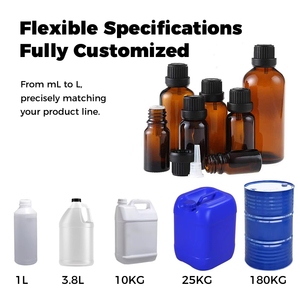
Available in multiple industrial formats: 20L aseptic Bag-in-Box (BIB), 215kg aseptic steel drums, 1000kg aseptic tote containers, and refrigerated bulk tanker options.
To eliminate lead-time uncertainty, primary Chinese export hubs maintain strategic cold storage warehouses (-18°C) at major port facilities including Qingdao, Tianjin, and Shanghai. Furthermore, streamlined customs clearance processes and established shipping lines enable reliable door-to-door logistics delivery to North American, European, and Asian destination ports.
Below are detailed responses to critical questions submitted by global procurement officers, quality assurance auditors, and beverage formulation scientists.
The standard industry benchmark for commercial carrot juice concentrate is 65.0° ± 1.0° Brix. At this concentration, water activity (aw) is sufficiently reduced to prevent microbiological proliferation during frozen storage (-18°C). However, custom Brix levels (e.g., 42° Brix, 50° Brix, or single-strength 12° Brix NFC juice) can be processed upon request for specialized beverage blending or direct re-hydration systems.
Top Chinese factories enforce a rigorous three-tiered pesticide monitoring system: 1) Pre-harvest testing of soil and farm plots; 2) Mandatory raw material crop screening using High-Performance Liquid Chromatography (HPLC) and Gas Chromatography-Mass Spectrometry (GC-MS/MS); and 3) Final batch certificate of analysis (COA) testing validated by independent international laboratories (Eurofins or SGS) against US FDA 21 CFR standards and European Commission Regulation (EC) No 396/2005.
Clouded Carrot Juice Concentrate retains naturally occurring pectins, insoluble fiber fragments, and suspended pulp. It delivers high turbidity, rich mouthfeel, and maximum beta-carotene content, making it ideal for smoothies, nectar drinks, and bakery applications. Clarified Carrot Juice Concentrate undergoes enzymatic depectinization and ultrafiltration to remove all suspended solids, yielding a clear amber-orange liquid that will not cloud or precipitate in clear RTD beverages, cider, or jellies.
When stored under continuous frozen conditions at -18°C (0°F) or lower in unopened aseptic packaging, carrot juice concentrate maintains a guaranteed shelf life of 24 months from the date of manufacture. If stored under refrigerated conditions (0°C to 4°C), shelf life is limited to 30 days due to potential enzymatic browning and gradual color decay. Direct exposure to light and ambient temperatures must be avoided to prevent carotenoid degradation.
Standard export MOQs generally start at one 20-foot refrigerated container (Reefer FCL), which accommodates 80 aseptic steel drums (approx. 17.2 to 20 metric tons net weight). However, for R&D trials, pilot runs, or initial vendor qualification trials, small-batch shipments via 20L Bag-in-Box pails or consolidated LCL (Less than Container Load) cold-chain freight can be arranged upon request.
Yes. Complimentary 250ml or 500ml laboratory sample bottles complete with Lot-Specific Certificates of Analysis (COA), Allergen Statements, Non-GMO Declarations, and Specification Sheets are available for qualified corporate buyers. Samples are dispatched via expedited international temperature-controlled air courier (DHL/FedEx) to ensure sample integrity upon arrival.
Absolutely. All production batches destined for international markets are processed in strict compliance with religious dietary laws. Batch-specific Kosher certificates (certified by recognized orthodox agencies such as OU, OK, or Star-K) and Halal certificates (issued by ISA or equivalent recognized Islamic bodies) are provided alongside standard shipping documentation.
Elevate your ingredient supply chain with guaranteed 65° Brix consistency, full regulatory documentation, and competitive factory-direct pricing. Contact our technical sales team today for custom quotes, technical specs, and sample requests.