
Direct Factory Supply · Aseptic Packaging · FSSC 22000, Kosher & Halal Certified
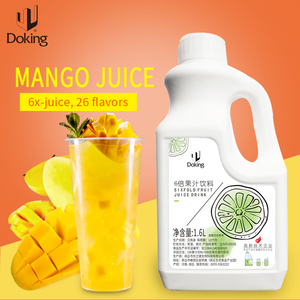
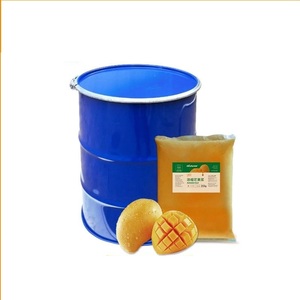
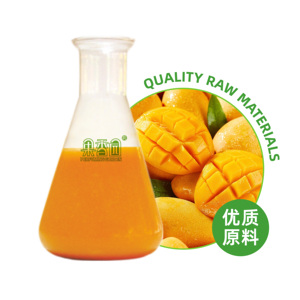
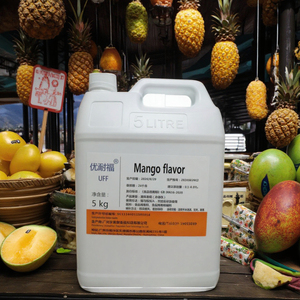
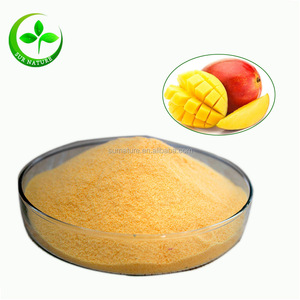
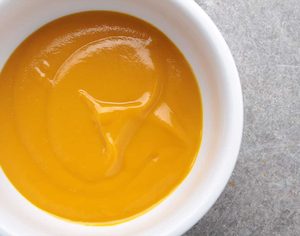
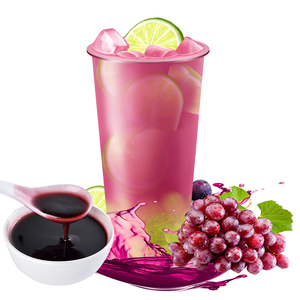
In the global food and beverage manufacturing ecosystem, mango juice concentrate has evolved from a seasonal tropical ingredient into a core functional staple across ready-to-drink (RTD) beverages, dairy matrices, confectionery, craft brewing, and nutraceutical formulations. As global consumers demand clean-label products with high natural sweetness, authentic mouthfeel, and enhanced nutritional profiles (specifically Beta-Carotene and Vitamin C enrichment), procurement directors are facing unprecedented challenges: yield volatility in traditional origins, fluctuating Brix-to-acid ratios, and rising freight costs.
China has rapidly established itself as a technological powerhouse in fruit processing and concentration infrastructure. Utilizing state-of-the-art multi-stage vacuum evaporation, thermal aseptic flash sterilization, and ultra-filtration technologies, leading Chinese OEM/ODM fruit concentrate manufacturers now bridge the gap between agrarian fruit supply and high-precision industrial beverage specifications. By sourcing non-GMO fresh mangos—including premium cultivars like Xiangya, Kattathong, Alphonso-equivalent, and Tainong—Chinese processing facilities achieve consistent 28–30° Brix purees and ultra-clarified 60–65° Brix concentrates tailored for multinational brands.
Information Gain Insight: Modern procurement strategy requires balancing single-strength pulpy puree (28-30° Brix) for thick nectar textures with fully clarified, de-pectinized mango concentrate (60-65° Brix) to prevent phase separation in clear functional beverages.
Selecting the appropriate technical specification of mango concentrate is essential for optimizing plant processing efficiency, pasteurization thermal load, and end-product stability. Below is the technical breakdown utilized by food scientists and supply chain managers:
| Product Grade | Brix Level (°Bx) | Acidity (%) | Pulp Content (%) | Primary Industrial Application |
|---|---|---|---|---|
| Aseptic Mango Puree Concentrate | 28° - 32° Brix | 0.5% - 1.2% | Natural High Viscosity (Bostwick < 8cm/30s) | Nectars, Smoothies, Yogurt Fruit Prep, Baby Food |
| Clarified Mango Juice Concentrate | 60° - 65° Brix | 1.0% - 2.5% | < 0.5% (De-pectinized) | Clear RTD Juices, Hard Seltzers, Jellies, Syrups |
| Frozen Concentrated Mango Juice (FCMJ) | 65° Brix | 1.2% - 2.8% | Controlled Pulp (2% - 5%) | Reconstitution Juice Lines, Flavor Compounding |
| Bubble Tea & Foodservice Concentrate Syrup | 50° - 65° Brix | Adjusted pH 3.2 - 3.8 | Includes Soluble Fruit Solids | Bubble Tea Chains, Quick Service Restaurants (QSR) |
Combining Decades of Processing Experience with Rigorous Quality Controls
Full compliance with global auditing benchmarks. Processing lines are backed by FSSC 22000 food safety management systems, Kosher Certification, and ISA Halal Certification. Every manufacturing batch undergoes full chemical, micro, and organoleptic verification in HACCP-based quality laboratories.
Beyond off-the-shelf concentrates, specialized sensory experts custom-blend juices, purees, acid levels, and natural sweeteners. Facilities provide exact Brix matching, sensory profile alignment, and tailored thermal processing to meet your proprietary recipe standards.
To support pilot trials, new flavor development, and seasonal SKUs, flexible packaging formats are offered. Procurement can order quantities as small as single 5-gallon pails or aseptic bag-in-box, up to 215kg aseptic drums and 1000kg bulk totes.
Integrated freight management ensures seamless sea freight shipping in controlled reefer containers (-18°C for frozen concentrates) or ambient aseptic shipping. Strategic storage hubs accelerate lead times across North America, Europe, Southeast Asia, and the Middle East.
State-of-the-art toll packing facilities allow re-packing of customer bulk tanks, totes, or drums into cleanroom-processed pails or bag-in-box configurations with customer-specific private labeling and barcoding.
By maintaining significant safety buffers of concentrated fruit bases, standard products ship within short turnaround windows, preventing factory downtime for high-volume beverage bottling lines.
As global regulatory bodies tighten regulations regarding added sugars, carbon foot-printing, and chemical pesticide residues, the fruit concentrate industry is undergoing a structural paradigm shift. Food technology and procurement leaders must adapt to four macro trends currently reshaping mango juice sourcing:
With international maritime freight rates exhibiting ongoing volatility, shipping single-strength puree (85% water content) is increasingly cost-inefficient. Future procurement protocols prioritize 60°+ Brix de-pectinized aseptic concentrates or high-Brix frozen bases. This reduces shipping container volumes by up to 60%, drastically cutting Scope 3 supply chain emissions while allowing localized hydration and aroma reconstitution at regional blending plants.
Consumers are steering away from synthetic high-fructose corn syrup (HFCS) and artificial flavors. Mango juice concentrate serves a dual purpose: providing high natural Brix sweetness while allowing a clean "100% Fruit Derived" label claim. Advanced thermal flash evaporators preserve delicate volatile compounds (such as delta-3-carene and limonene), enabling manufacturers to formulate zero-added-sugar tropical RTD drinks without sacrificing flavor depth.
Climate anomalies have caused yield fluctuations in classic South American and Indian growing belts. Forward-thinking buyers are establishing dual-sourcing contracts with Chinese manufacturers. Leveraging vast agricultural micro-climates across Yunnan, Hainan, and Guangxi provinces, Chinese processors offer stable yield cycles and competitive pricing structures that hedge against single-region crop failures.
The rise of hard seltzers, clear fruit teas, functional sparkling waters, and isotonic sports drinks has created high demand for cloud-free fruit bases. Next-generation enzymatic de-pectinization completely hydrolyzes natural pectin and starch complexes, creating sparkling-clear mango concentrate that remains crystal clear even after ultra-high-temperature (UHT) processing and prolonged shelf storage.
The primary quality indicator of premium mango juice concentrate lies in color retention (preventing Maillard browning reaction) and volatile flavor restoration. Leading Chinese processors implement cutting-edge industrial technology to maximize quality:
For enterprise purchasing teams, navigating supplier onboarding requires systematic quality assurance. We recommend the following four-phase procurement framework when establishing mango concentrate supply agreements:
Define targeted Brix, acidity, pulp % (viscosity), clarification levels, color values (L*a*b*), and religious/food safety documentation needs.
Request 1kg lab sample for pilot reconstitutions, Brix balancing, sensory panel verification, micro testing, and thermal process trials.
Review certified documentation (FSSC 22000, Kosher, Halal, Allergen Statements, Heavy Metal & Pesticide Residue COA screen reports).
Finalize annual volume contracts, schedule reefer ocean freight container shipping, and set minimum inventory buffer levels at destination hubs.
Technical & Commercial Insights for Quality Assurance & Sourcing Managers
To accommodate product development trials, bench testing, and specialized seasonal batching, we offer one of the most flexible MOQ policies in the ingredient industry. Procurement teams can order as little as one 5-gallon pail or one aseptic bag-in-box (approx. 20kg - 25kg) for initial R&D testing. For full commercial scale-up, standard shipping units include 215kg aseptic steel drums (4 drums per pallet) or 1,000kg bulk liquid totes.
Products are supplied in industrial-grade, food-safe packaging designed to preserve sterility and prevent oxygen transmission:
All processing operations operate under stringent international standards. Comprehensive audit packages include:
Yes. In-house food technologists specialize in custom formulation matching. Whether your formulation requires a specific ratio of Brix-to-acid (e.g., balancing 30° Brix mango puree with natural citric acid for tart tropical applications) or multi-fruit compounding (such as Mango-Papaya-Banana or Mango-Passionfruit blends), custom blending and toll manufacturing services are fully supported.
Aseptic products stored under recommended ambient temperatures (< 20°C) maintain product integrity and microbial sterility for 18 to 24 months from the date of manufacture. For optimal color retention and prevention of natural browning over extended periods, cold storage at 4°C–8°C is recommended. Frozen concentrates (-18°C) carry a validated 24-month shelf life.
For standard stocked concentrates, order dispatch occurs within 3 to 7 business days from order confirmation. Custom blends or specialized aseptic drum fills typically ship within 14 business days. Ocean freight transport times vary by destination port (e.g., 12–18 days to US West Coast, 22–30 days to European main ports). Logistics specialists manage complete export customs documentation, phytosanitary certificates, and Bills of Lading.
Connect directly with our ingredient specialists to discuss target specifications, request 1kg sample kits, or obtain tier-volume contract pricing for your production schedule.