
+1 847-579-5500 6280 W. Howard St., Niles, IL 60714, USA
0%

Choosing the 2026 top Natural Fruit Juice Concentrates suppliers requires more than comparing price lists. Buyers must examine fruit origin, processing methods, quality systems, and delivery reliability. A bright apple concentrate may look consistent, yet its flavor can change after storage. Small details matter.

This guide introduces suppliers that may support beverage, dairy, bakery, and foodservice production. It considers concentrate variety, Brix specifications, traceability, certifications, packaging, and technical assistance. Supplier experience is important, especially when seasonal fruit creates uneven color or acidity. Ask for recent laboratory reports, not only attractive brochures. Samples help reveal sediment, aroma, sweetness, and performance during heating. They also expose problems early.

Reliable suppliers should explain their orchard networks and processing controls clearly. They should provide batch information and respond when specifications change. Documentation must match the delivered product. That sounds obvious. It is not always simple.

The selection process also considers production capacity, minimum order quantities, cold-chain practices, and export experience. However, no supplier is perfect for every market. A large processor may offer stable volume but less flexibility. A smaller producer may provide distinctive fruit character but face seasonal limits. This guide therefore avoids making absolute claims without current evidence. Readers should verify certifications, facility status, pricing, and shipping terms before purchasing. Market conditions can shift quickly in 2026. Careful testing remains more dependable than a polished ranking.
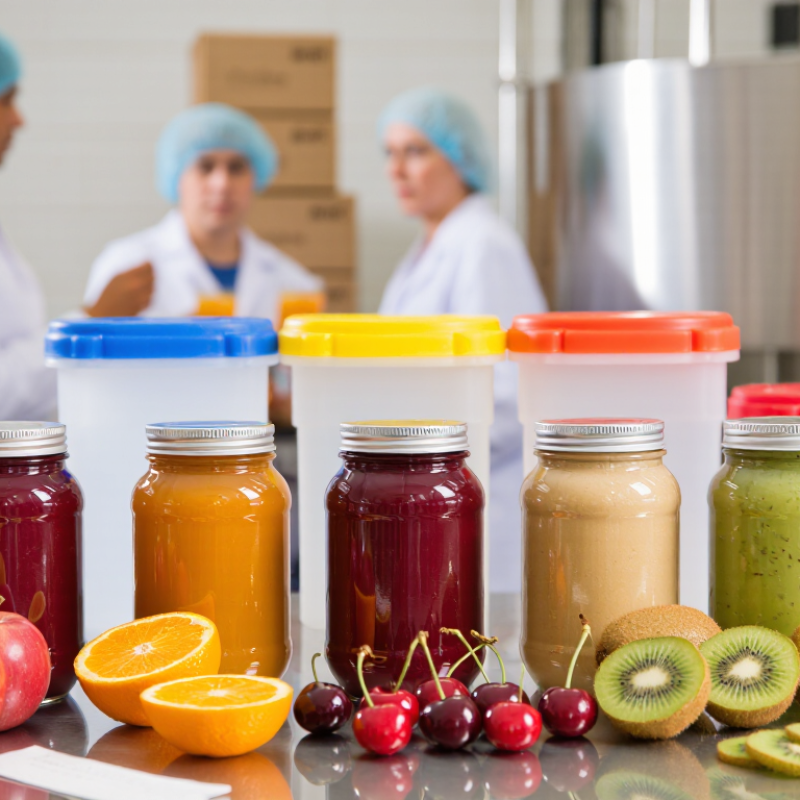
2026 Top Natural Fruit Juice Concentrates Suppliers?

Natural Fruit Juice Concentrates: Definition, Types, and Uses

Natural Fruit Juice Concentrates: Definition, Types, and Uses

Natural fruit juice concentrate is juice with much of its water removed through controlled evaporation or membrane filtration. This process reduces volume and supports efficient storage, transport, and formulation. It is not the same as fruit flavoring. A genuine concentrate retains characteristic fruit acids, sugars, color, and aroma, although processing can reduce delicate volatile compounds.

Common types include single-strength concentrates, clarified concentrates, cloudy concentrates, and purees. Apple, orange, grape, berry, mango, and pineapple concentrates serve different technical needs. Clarified products suit clear beverages and syrups. Cloudy varieties provide a fuller appearance and mouthfeel. Purees work well in smoothies, fillings, sauces, and dairy-based recipes. In my experience, color and viscosity often reveal more than a product label. Still, appearance alone can mislead.

Tips: Check the Brix range, acidity, ingredient statement, and certificate of analysis. Ask suppliers about harvest origin, processing temperature, filtration, storage conditions, and traceability records. Small sensory trials can expose unwanted cooked notes or weak aroma. Keep samples chilled and compare them with the finished application. A concentrate may perform well in water but fail in a carbonated drink. This is easy to overlook. Supplier reliability also depends on consistent batches, responsive documentation, and realistic delivery claims. Not every “natural” concentrate has the same fruit intensity. sweswo

Natural Fruit Juice Concentrates: Definition, Types, and Uses

Codex minimum soluble-solids levels for selected reconstituted fruit juices

Juice concentrate is made by removing some of the water from fruit juice. Common types include single-fruit and blended concentrates, used in beverages, foods, and reconstituted juice. The chart shows Codex minimum Brix values for the corresponding reconstituted juices—not specifications for concentrates, which vary by fruit and processing method. Source: Codex Alimentarius, CXS 247-2005.

Key Criteria for Evaluating Juice Concentrate Suppliers in 2026

2026 Top Natural Fruit Juice Concentrates Suppliers?

Key Criteria for Evaluating Juice Concentrate Suppliers in 2026

A reliable supplier should provide batch-level specifications, not just a polished product sheet. Check Brix, acidity, colour, flavour, microbiological results, and the test methods used. Ask for a recent certificate of analysis and confirm that its lot number matches the delivered drums. Traceable origin and harvest records help buyers assess seasonal changes and supply risks. Small details matter. OECD-FAO’s Agricultural Outlook 2024–2033 projects global fruit and vegetable production to grow by 1.3% annually over the decade, driven by yield gains and area expansion. That broad forecast is not a guarantee of concentrate availability, so buyers should also review the supplier’s sourcing regions and contingency plans.

Tips: Request samples from more than one production lot, then compare colour, aroma, and reconstitution performance under your own process conditions. Ask how the supplier controls temperature and storage time. Review food-safety certifications, audit findings, and corrective actions, rather than relying on certificate logos alone. Ask for proof.

Price deserves scrutiny, too. Compare quotes on equal Brix, packaging, delivery terms, and minimum order quantities. Check whether freight, storage, and testing fees are included. One awkward gap can remain: a sample may taste excellent while later lots vary. Set written acceptance limits and agree on a process for handling out-of-specification deliveries before ordering.

Leading Global Suppliers of Natural Fruit Juice Concentrates

2026 Top Natural Fruit Juice Concentrates Suppliers?

Leading global suppliers of natural fruit juice concentrates are distinguished by reliable sourcing, careful processing, and clear quality documentation—not just production volume. FAOSTAT’s Crops and Livestock Products database records more than 900 million tonnes of fruit produced worldwide in 2022. That large crop base does not guarantee consistent concentrate supply. Harvest timing, variety, weather, and fruit maturity all affect soluble solids, color, acidity, and yield. Buyers should request recent product specifications and batch-level testing.

Traceability matters. So does processing speed. The FAO’s 2019 State of Food and Agriculture estimated that 14% of the world’s food is lost between harvest and retail. For concentrate suppliers, prompt handling and suitable storage can help protect fruit quality and reduce avoidable losses.

Ask about origin records, extraction methods, storage temperatures, and how specifications are verified across batches. A polished certificate is useful, but it cannot replace practical evidence.

A global supplier comparison should also examine packaging, shipment conditions, and the ability to provide samples before large orders.

Check whether the concentrate’s declared Brix, acidity, and ingredient status match your product needs. Not every supplier offers the same level of detail.

And no supply chain is flawless. FAOSTAT production totals describe whole fruit, not the volume suitable for processing, so they should not be treated as a direct measure of concentrate availability.

Quality Standards, Certifications, and Sourcing Practices

Natural fruit juice concentrate suppliers in 2026 should be assessed by more than price or a polished product sheet. Ask for written specifications covering fruit variety, soluble solids, acidity, color, pulp level, and permitted processing aids. A sample should match those figures and perform consistently in your intended recipe. Small details matter. Even a slight color shift can affect a finished drink.

Check whether each supplier’s food-safety certifications are current and apply to the actual production site and product scope. Request audit details, recent certificates, allergen controls, and batch traceability records. For a specific lot, documentation should connect the fruit’s origin, processing date, and test results. Organic or other claims need appropriate supporting records for the market where you sell. Paperwork helps, but it cannot show every handling issue. That gap deserves attention.

Tips: Compare samples using the same dilution, temperature, and tasting notes. Ask how suppliers manage seasonal variation and what happens when a batch misses specification. Keep your own sample records; they can reveal patterns a certificate may not. If answers are vague, pause and ask again.

How to Select the Right Juice Concentrate Supplier for Your Needs

2026 Top Natural Fruit Juice Concentrates Suppliers?

How to Select the Right Juice Concentrate Supplier for Your Needs

Choosing a juice concentrate supplier is less about a polished sample and more about repeatable specifications. Ask for the fruit variety, origin, harvest period, Brix level, acidity range, and processing method. Then compare recent certificates of analysis with your own product requirements. A bright color in one sample proves little. Check how the concentrate performs after dilution and during your actual production process.

Traceability and delivery records matter, too. The FAO’s 2023 report, Tracking progress on food and agriculture-related SDG indicators, estimated that 13.2% of food was lost between harvest and retail in 2021. That figure covers food broadly, not juice concentrates specifically, but it highlights why supply-chain controls deserve scrutiny. Ask how suppliers identify lots, manage storage, and handle temperature-sensitive shipments. Request documentation for food-safety systems and routine microbiological testing.

The FAO’s 2023 report, Tracking progress on food and agriculture-related SDG indicators, estimated that 13.2% of food was lost between harvest and retail in 2021.

Before committing to large volumes, test a pilot lot in your own recipe. Compare aroma, color, sediment, and consistency across batches. Small differences can change the finished drink. Ask about seasonal variability and minimum order quantities in writing. A supplier may offer attractive pricing but struggle with a short notice delivery; it happens. I would also check how quickly technical questions get clear answers. That part is easy to overlook.

FAQS

What is natural fruit juice concentrate?

It is juice with much of its water removed by evaporation or membrane filtration. It retains fruit sugars, acids, color, and aroma, though some delicate aromas may fade.

How does concentrate differ from fruit flavoring?

Concentrate contains components of the fruit juice itself. Flavoring is not the same thing. Check the ingredient statement.

What types of concentrate are commonly available?

Common types include single-strength, clarified, cloudy, and puree. Clarified concentrate suits clear drinks, while cloudy types add body. Purees work well in smoothies and sauces.

Which details should I check before buying?

Review Brix, acidity, color, pulp level, and ingredients. Ask for a recent specification and certificate of analysis. Details matter.

How can I test a concentrate for my recipe?

Compare samples at the same dilution and temperature. Try them in the finished drink, not only in water. Carbonation can change the result.

What sourcing and traceability records should suppliers provide?

Ask for fruit origin, processing dates, storage conditions, and batch test results. Records should connect a specific lot with its source. A polished document is not enough.

How can I assess supplier consistency?

Request samples and compare batches against written specifications. Ask how seasonal changes are handled and what happens when a batch misses requirements. I still find this easy to overlook.

What should I check about certifications?

Confirm that certificates are current and cover the actual production site and product. Claims such as organic status need supporting records for the intended market. Paperwork has limits.

Conclusion

Natural Fruit Juice Concentrates are made by removing part of the water from fresh fruit juice while preserving much of its natural flavor, color, aroma, and nutritional value. They are available in varieties such as citrus, berry, tropical, apple, and grape concentrates, and are widely used in beverages, dairy products, desserts, sauces, bakery items, and other food applications. Their concentrated form supports efficient storage, transportation, and consistent recipe formulation.

This guide explains how to evaluate leading suppliers in 2026 by examining fruit quality, processing technology, product consistency, production capacity, traceability, and customer service. It also highlights the importance of recognized food-safety certifications, responsible sourcing, transparent supply chains, and compliance with applicable regulations. To select the right supplier, buyers should compare concentration levels, flavor profiles, packaging formats, minimum order quantities, lead times, technical support, and total cost. A reliable supplier should provide safe, consistent, clearly documented products that match the buyer’s application and quality requirements.

Oliver

Oliver

Oliver is a professional marketing specialist with a deep understanding of the company’s products, customers, and the needs of the markets it serves. He regularly contributes expert articles to the company website, offering clear, practical information that helps readers understand product......