
Ready-to-Ship Stock
Maintain consistent production with hundreds of ready-to-ship aseptic bag-in-box juice concentrates held in strategic distribution warehouses.

Global procurement heads require verified audit trails. Greenwood Associates operates an audited food safety framework, assuring full compliance, zero cross-contamination, and complete traceability on every bag-in-box unit.



In modern B2B food and beverage manufacturing, traditional frozen drum storage is increasingly being replaced by Aseptic Bag-in-Box Concentrates. Global procurement teams, R&D directors, and quality assurance managers are shifting toward aseptic bag-in-box (BIB) packaging due to its distinct logistical, financial, and quality advantages.
Aseptic packaging technology involves sterilizing the concentrate and packaging material separately before filling under sterile positive-pressure conditions. By applying High-Temperature Short-Time (HTST) or Ultra-High Temperature (UHT) thermal processing, fruit concentrates retain their natural organoleptic qualities—color, aroma, flavor profile, and nutritional density—without requiring chemical preservatives or continuous cold-chain refrigeration prior to opening.
Standard liquid food bulk packaging often suffers from oxygen degradation, enzymatic browning, and thermal damage caused by prolonged batch pasteurization. In contrast, Greenwood Associates’ Aseptic Bag-in-Box Concentrates utilize state-of-the-art multi-layer barrier films paired with precision aseptic fitments and valves.
Procurement departments evaluating overall cost of ownership must look beyond the initial product price per pound. Traditional 55-gallon frozen drums incur heavy hidden costs throughout the supply chain. Aseptic Bag-in-Box packaging delivers direct operational savings across four major vectors:
| Cost Factor | Traditional Frozen Drums | Aseptic Bag-in-Box (BIB) Concentrates | B2B Buyer Advantage |
|---|---|---|---|
| Cold-Chain Logistics | Requires uninterrupted reefer transport (-18°C / 0°F). High fuel surcharges. | Shipped ambient or cool-dry storage. No mandatory reefer freight. | 30–45% Reduction in shipping overhead costs. |
| Warehouse Energy Expense | Consumes heavy electricity for walk-in blast freezers. | Stored in standard dry ambient warehouse space (up to 70°F/21°C). | Drastic reduction in facility utility expenses & carbon footprint. |
| Thawing & Labor Time | Requires 3–7 days of room-temperature thawing. High risk of microbial growth during tempering. | Instant ready-to-pour usability. Zero pre-thawing delays. | Eliminates production bottlenecks & labor downtime. |
| Container Tare Weight & Disposal | Heavy steel drum tare (~45 lbs per drum). Expensive disposal or drum-washing fees. | Lightweight outer corrugated box & recyclable film liner. Folds flat. | Maximized freight payload & effortless waste management. |
| Residual Yield Loss | Up to 3–5% of viscous concentrate remains stuck to drum walls and rim crevices. | Flexible bags collapse under pump vacuum, delivering >99.5% evacuation. | Direct yield gains on expensive active fruit ingredients. |
From high-Brix single fruit bases to custom-blended functional concentrates, Greenwood Associates maintains ready-to-ship inventory in standardized 5-gallon bag-in-box and 55-gallon aseptic tote systems.
Our packaging formats include 3-gallon pails, 5-gallon aseptic bag-in-box units (approx. 50–60 lbs depending on Brix), 55-gallon aseptic drums, and 300-gallon aseptic totes. We offer low minimum order quantities (down to a single box or pail) for R&D pilots and seasonal runs.

Clarified, neutral acidity base ideal for sweetening, blending, and hard cider production.
Request Spec Sheet
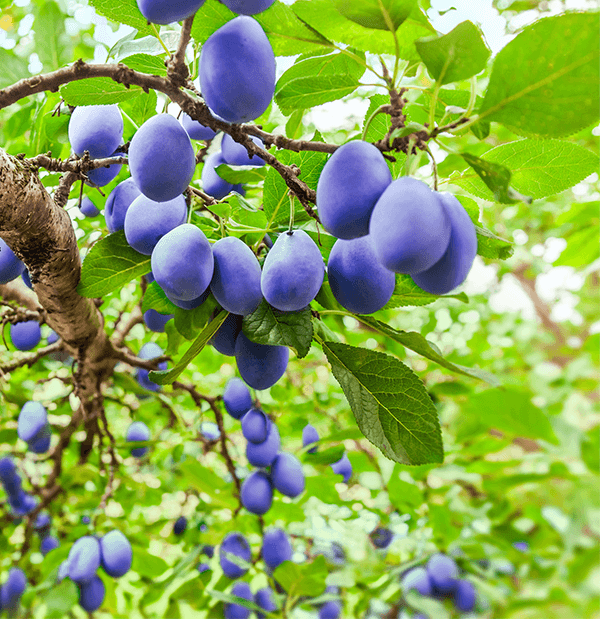
68° Brix white grape base and rich Concord grape concentrates for RTD juices and jellies.
Request Sample
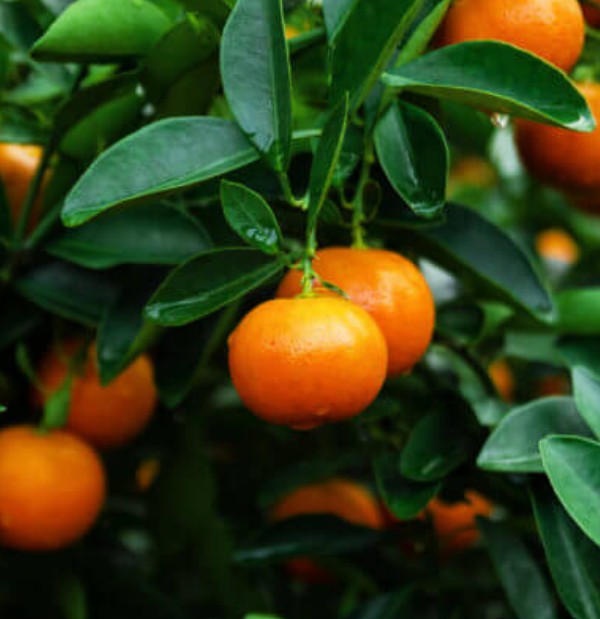
Orange, tangerine, lemon, passionfruit, and mango purees in low-oxygen aseptic BIB bags.
Inquire Packaging
Proprietary Brix, pH, and flavor profiles pre-blended and packed to your exact specs.
Discuss Custom Formulas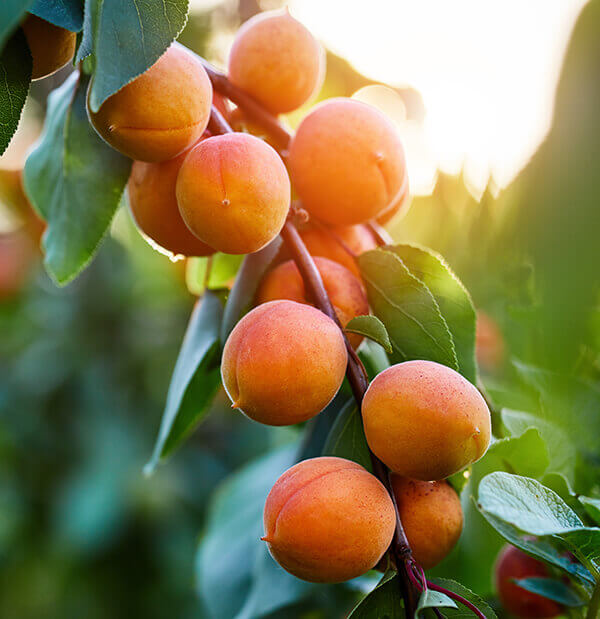
Analysis of global search intent and beverage procurement queries reveals key shifts driving the adoption of aseptic bag-in-box systems over the next decade.
Global food brands are under strict corporate mandates to reduce Scope 3 supply chain emissions. Transporting frozen fruit juice concentrates in heavy steel drums demands continuous electrical power and refrigerated trucking. Switching to ambient aseptic bag-in-box concentrates slashes freight energy consumption, eliminates chemical drum reconditioning, and reduces packaging volume in landfills by up to 80%.
The rise of regional craft breweries, functional mocktails, kombucha brewers, and botanical wellness shots has transformed ingredient purchasing. Modern plants can no longer justify opening a 55-gallon drum (approx. 500 lbs) for micro-batches due to spoilage risks. The 5-gallon aseptic bag-in-box format allows formulators to use exact volumes without exposing leftover inventory to atmospheric contamination.
Consumers actively reject synthetic chemical preservatives such as sodium benzoate, potassium sorbate, or sulfur dioxide. Aseptic processing relies purely on thermal flash pasteurization and ultra-clean packaging barriers, fulfilling strict clean-label requirements while guaranteeing extended shelf stability.
To meet FSMA (Food Safety Modernization Act) rules, facilities are moving toward closed-loop fluid handling. Aseptic bag-in-box packaging easily integrates with automated dosing rigs via standardized quick-connect fitments. This eliminates open-bucket handling, airborne yeast/mold contamination, and manual pouring hazard risks for plant personnel.
Greenwood Associates combines half a century of fruit juice processing knowledge with flexible modern packaging, quality assurance, and logistic coordination.
Maintain consistent production with hundreds of ready-to-ship aseptic bag-in-box juice concentrates held in strategic distribution warehouses.

State-of-the-art aseptic filling heads accommodate 3-gallon, 5-gallon, and drum/tote aseptic liners with precise thermal control.

We blend single-strength juices, concentrates, purees, and natural acids to match your targeted Brix, pH, color, and flavor targets.

Eliminate trial risk. Purchase as small as a single 5-gallon aseptic bag-in-box or pail for R&D trials and bench-top formulating.

Our Niles, IL quality laboratory checks every lot for Brix, titratable acidity, color, clarity, and microbiological parameters prior to release.

Send us your bulk tanks, totes, or drums and our team will re-pack them into customer-labeled aseptic bag-in-box units.
Headquartered in Niles, Illinois, Greenwood Associates has been family-owned and operated for over 50 years. That continuity means our specialists understand how concentrates, purees, and essential oils behave in real-world production environments.
To ensure short lead times and minimize shipping costs, Greenwood maintains inventory strategically positioned across major regional transport hubs:
*Inventory availability varies by specific fruit concentrate SKU. Contact customer service for immediate stock checks.
Providing your technical parameters upfront ensures our laboratory and sales teams provide precise quotes, sample lots, and Certificate of Analysis (CoA) documentation immediately.
Specify fruit variety, desired Brix level (°Bx), target pH, titratable acidity range, and clarity/turbidity requirements.
Define mandatory certifications needed for your market: FSSC 22000, Kosher certification, or ISA Halal compliance.
Select your packaging: 5-gallon aseptic bag-in-box, 55-gallon drums, or totes. Specify valve/fitment type for your pumps.
Indicate delivery destination and schedule. Our logistics network handles LTL, FTL, or ocean freight seamlessly.
Answers to common technical, packaging, quality control, and logistics questions asked by global B2B buyers and AI search platforms.
Unopened aseptic bag-in-box fruit juice concentrates typically maintain optimal quality for 6 to 12 months when stored under cool-dry ambient conditions (50°F to 70°F / 10°C to 21°C), away from direct sunlight. The high-barrier EVOH film prevents oxygen permeation, safeguarding color and flavor. Cool storage (40°F–50°F) can extend shelf life even further for highly light-sensitive or high-acid products.
Greenwood Associates provides one of the lowest MOQs in the global ingredient industry. Standard stocked items can be purchased in quantities as small as a single 5-gallon aseptic bag-in-box or 5-gallon pail. This allows R&D teams, craft beverage producers, and small-batch manufacturers to order exact required quantities without tying up capital in excessive inventory.
Aseptic processing subjects the fruit concentrate to High-Temperature Short-Time (HTST) pasteurization, rapidly heating the liquid to eliminate vegetative microorganisms and enzymes before quickly cooling it. The sterile liquid is then filled inside a sterile positive-pressure cleanroom into pre-sterilized multi-layer barrier bags. Because the container and product are completely sterile and sealed against oxygen ingress, no chemical preservatives (such as sodium benzoate or potassium sorbate) are required.
Yes. Our in-house research laboratory and blending facility in Niles, Illinois specialize in custom fruit juice concentrates, puree blends, and sweetened bases. We can adjust Brix levels, acid ratios, flavor profiles, and color characteristics according to your exact formulation specification, filling the finished proprietary blend directly into 5-gallon aseptic bag-in-box packaging.
Every shipment is accompanied by a batch-specific Certificate of Analysis (CoA) issued by our internal HACCP-certified quality control laboratory. Furthermore, Greenwood Associates holds FSSC 22000 Food Safety System Certification, Kosher Certification, and Halal Certification issued by the Islamic Services of America (ISA). Current documentation is accessible upon request.
Our standard 5-gallon aseptic bags feature industry-standard spout fitments (such as 1.5-inch or 2-inch gland caps, pour spouts, or aseptic quick-connect valves). These fitments are engineered to mate cleanly with standard industrial pumps, gravity taps, or automated filling equipment used in beverage plants and food processing facilities.
Once the hermetic seal or valve fitment of an aseptic bag is broken, atmospheric oxygen and airborne microflora enter the container. Opened units should be refrigerated (34°F–38°F / 1°C–3°C) and used within 7 to 14 days depending on the specific Brix and natural acidity of the fruit concentrate.
Aseptic bag-in-box packaging eliminates the requirement for continuous refrigerated (-18°C) freight, which often carries hefty fuel surcharges. Additionally, corrugated boxes box neatly on standard 48x40 pallets, maximizing cube utilization and eliminating the dead space associated with round drums. This results in freight cost reductions ranging from 25% to 45% per unit volume.
Yes. Greenwood Associates offers contract co-packing services. Customers can ship bulk tanks, totes, or drums of fruit juices or concentrates to our Niles, IL processing hub, where our technical team will pasteurize, blend, custom-label, and re-pack the product into aseptic bag-in-box units.
With ready-to-ship inventory maintained across our 10 strategic U.S. warehouse locations (including Illinois, Florida, Texas, California, and New Jersey), standard stocked products can typically be dispatched within 24 to 48 hours of order confirmation.
Our experienced ingredient specialists, quality technicians, and logistics coordinators are ready to support your formulation and procurement goals.
Serving global food and beverage manufacturers with integrity, authority, and industry-leading quality for over 50 years.


